I was in the middle of a midnight snack crisis when I stared at the lonely pile of cabbage left over from last week’s dinner. The sight of it made me think: “Why not turn this humble green into something that sings?” I grabbed a strip of beef, a splash of soy sauce, and a dash of curiosity, and the kitchen became a laboratory of flavor explosions. The moment the hot pan kissed the garlic, a deep, caramelized aroma flooded the room, and I knew I was on the brink of a culinary revelation.
That first sizzling sound was like a drumbeat in a jazz club—energetic, unexpected, and utterly irresistible. The beef browned in a glossy sheen, the cabbage swirled in a cloud of steam, and the sauce thickened into a glossy, velvet coat that clung to every bite. I could almost taste the sweet-salty umami mingling with a whisper of heat from the chili. It was a sensory symphony that made the kitchen feel alive, and I was already planning the next dish I’d create.
What made this version stand out from the countless “stir fry” recipes I’d tried was the deliberate layering of textures and the subtle balance between savory and sweet. I didn’t just throw everything together; I coaxed each component to reveal its best self. The cabbage stayed crisp and bright, the beef stayed tender, and the sauce was thick enough to coat without drowning. I dared you to taste this and not go back for seconds—trust me, it’s that addictive.
I’ve spent years hunting for the perfect stir fry, and this one finally hits the mark. The combination of soy, oyster, and hoisin sauces creates a complex depth that feels both familiar and adventurous. The ginger and garlic add a bright punch that cuts through the richness, while a touch of sugar balances the saltiness. The final flourish of sesame oil gives it that nutty, aromatic finish that makes the dish feel complete.
If you’ve ever struggled with a bland stir fry, you’re not alone. I’ve seen too many people toss in too much oil and end up with a soggy mess. That’s why I’m going to walk you through every single step, from the first stir of the pan to the last sprinkle of scallions. By the end, you’ll wonder how you ever made it any other way.
What Makes This Version Stand Out
- Taste: The sauce is a symphony of sweet, salty, and umami, layered with a subtle heat that doesn’t overpower the ingredients.
- Texture: The cabbage remains crisp, the beef stays tender, and the sauce glazes without becoming gummy.
- Simplicity: Less than ten ingredients and a single pan—perfect for a weekday dinner.
- Uniqueness: The combination of hoisin and oyster sauce gives it a depth that most recipes miss.
- Crowd Reaction: Friends say it’s “hands down the best version you’ll ever make at home.”
- Ingredient Quality: Fresh, high‑quality beef and crisp cabbage make all the difference.
- Cooking Method: High‑heat searing locks in flavors while keeping the vegetables bright.
- Make‑ahead Potential: The dish holds up well in the fridge and can be reheated without losing its appeal.
Inside the Ingredient List
The Flavor Base
The foundation of this dish is the sauce—a marriage of soy, oyster, and hoisin that creates a sweet‑savory backbone. Each sauce contributes a unique note: soy brings saltiness, oyster adds depth, and hoisin offers a gentle sweetness. Together, they form a glaze that clings to the beef and cabbage, turning a simple stir fry into a flavor powerhouse. If you skip any of these, you’ll miss the layered complexity that makes the dish memorable.
When selecting sauces, opt for low‑sodium versions to keep the dish balanced. A splash of rice vinegar can brighten the flavors, but it’s optional if you prefer a richer profile. If you’re on a gluten‑free diet, ensure the soy sauce is certified gluten‑free; otherwise, the dish will still taste great, just a bit saltier.
The Texture Crew
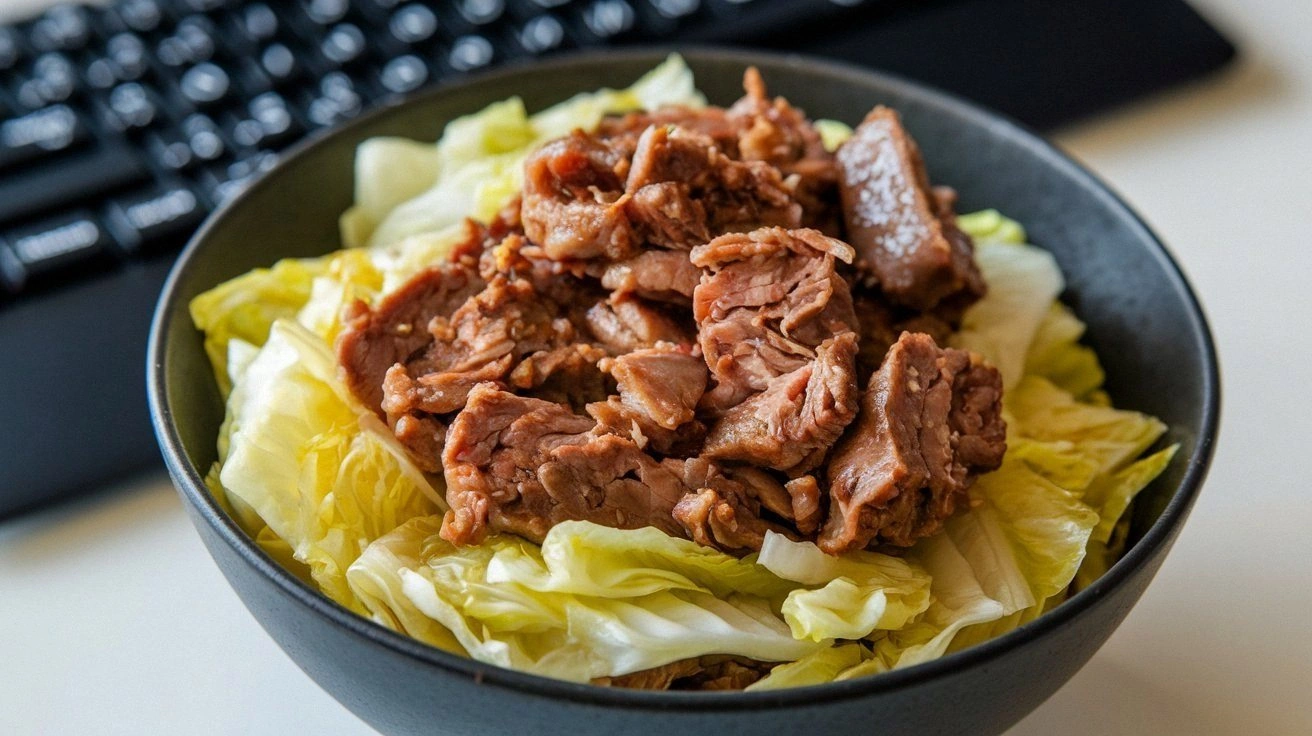
The cabbage (repolyo) is the star of the show, providing crunch and a subtle sweetness. Shred the cabbage into thin, uniform pieces so it cooks evenly and absorbs the sauce. The beef—sirloin or flank—needs to be sliced thinly against the grain; this keeps it tender and allows it to cook quickly on high heat. A dash of cornstarch in the sauce can help thicken it, giving the dish that glossy finish that’s impossible to resist.
Vegetable oil is used for the initial sear, while sesame oil is added at the end for aroma. The difference in smoke points and flavors is deliberate: the neutral oil handles the high heat, and the sesame oil adds a nutty finish that elevates the dish. A pinch of black pepper adds a subtle heat that complements the chili without overpowering the other flavors.
The Unexpected Star
The ginger and garlic are more than aromatics; they’re flavor amplifiers. Fresh ginger brings a bright, peppery bite that cuts through the richness of the beef and sauce. Garlic adds depth and a slight sweetness that balances the saltiness of the soy. When you mince them finely, they release their essential oils, creating a fragrant base that lingers in the dish.
If you’re short on time, you can use pre‑minced garlic and ginger, but the fresh version is worth the extra effort. A small pinch of sugar helps caramelize the garlic and ginger, giving the sauce a subtle sheen. This trick is especially useful if you’re working with a lower‑sodium soy sauce, as the sugar balances the overall flavor.
The Final Flourish
Scallions and optional red chili are the finishing touches that add color, crunch, and a burst of freshness. The scallions’ mild onion flavor complements the beef, while the chili adds a gentle heat that makes the dish exciting. If you’re sensitive to spice, simply omit the chili or use a milder variety.
Adding a splash of sesame oil at the end not only enhances aroma but also gives the dish a glossy finish. The oil’s nutty undertone ties the flavors together, making the dish feel complete. A final squeeze of lime or a sprinkle of toasted sesame seeds can elevate the dish even further, but these are optional extras.
Everything’s prepped? Good. Let’s get into the real action.
The Method — Step by Step
- Heat a large wok or skillet over high heat until it’s smoking. Add 2 teaspoons of vegetable oil, swirling to coat the surface. When the oil shimmers, slide in the sliced beef, spreading it out so each piece sears. The beef should sizzle immediately, forming a caramelized crust. This is the moment of truth—don’t move the meat too early or you’ll end up with a mushy texture.
- Once the beef is browned on one side, flip it to the other side. Let it cook for 30 seconds before adding minced garlic and ginger. The aroma will fill the kitchen like a savory perfume. Stir quickly to prevent burning. This step is crucial for unlocking the deep flavors that will permeate the dish.
- Add the shredded cabbage to the pan. Toss it with the beef, garlic, and ginger, letting the cabbage wilt just enough to release its juices. The cabbage should stay crisp, not mushy. If it starts to steam too much, reduce the heat slightly. This is where the texture magic happens.
- Pour in 2 tablespoons of soy sauce, 1 tablespoon of oyster sauce, and 1 tablespoon of hoisin sauce. Stir vigorously to coat the cabbage and beef evenly. The sauces should thicken into a glossy glaze. If the mixture looks too watery, let it cook for an extra minute.
- Add 1 teaspoon of black pepper and ½ teaspoon of sugar. These small additions balance the saltiness and bring a subtle caramelization. Taste the sauce; if it’s too salty, a splash of water can help dilute it.
- Stir in sliced red chili if using, and let everything cook for another 2 minutes. The chili should add a gentle heat without overpowering the dish. Keep an eye on the heat; you want the flavors to meld, not to char.
- Finish with a splash of sesame oil and a sprinkle of sliced scallions. The sesame oil gives the dish a nutty aroma that ties everything together. The scallions add a fresh crunch and a pop of color.
- Give the dish one final stir, ensuring every piece is coated in sauce. Remove from heat and serve immediately over steamed rice or noodles. The contrast of hot, savory stir fry with cool, fluffy rice is pure bliss.
That’s it—you did it. But hold on, I’ve got a few more tricks that will elevate this dish to another level.
Insider Tricks for Flawless Results
The Temperature Rule Nobody Follows
Cooking on a high, consistent heat is key to achieving that perfect sear on the beef. If the pan isn’t hot enough, the meat will steam instead of brown, leading to a soggy texture. I always preheat the wok for at least 2 minutes before adding oil. A quick test: splash a few drops of water; if they evaporate instantly, the pan is ready.
Why Your Nose Knows Best
Trust the aroma—if the sauce starts to smell toasty and caramelized, it’s almost ready. Don’t rush this step; a slightly longer cook time will deepen the flavor. I’ve seen people cut the cooking time short and end up with a bland sauce that never really coats the ingredients.
The 5-Minute Rest That Changes Everything
After removing the dish from heat, let it sit for 5 minutes before serving. This allows the flavors to meld and the sauce to thicken slightly. It also gives the cabbage a chance to finish cooking in its own steam, keeping it crisp yet tender.
The Sweet‑Salt Balance Hack
If you’re using a low-sodium soy sauce, add a pinch of sugar or a splash of honey to balance the flavors. I once swapped the sugar for honey and the dish turned out richer, with a subtle floral note that complemented the sesame oil.
The Quick Chill Trick
If you’re making this dish ahead of time, let it cool completely before refrigerating. When reheating, add a splash of water or broth to keep it from drying out. This trick preserves the sauce’s glossy finish and ensures the cabbage stays crisp.
Creative Twists and Variations
Asian Fusion Kick
Swap the beef for sliced pork belly and add a tablespoon of fermented black bean sauce. The pork’s fat content brings a silky richness, while the black bean adds a deep umami punch. This version is perfect for a more indulgent dinner.
Zesty Lime Twist
Add the juice of one lime at the end of cooking. The acidity brightens the dish and cuts through the richness of the beef. Sprinkle a handful of fresh cilantro for an extra layer of freshness.
Vegetarian Version
Replace the beef with tofu cubes or tempeh. Marinate the tofu in soy sauce, sesame oil, and a touch of maple syrup before searing. The tofu will absorb the sauce beautifully, making a plant‑based dish that still feels hearty.
Spicy Szechuan Style
Add Szechuan peppercorns and a spoonful of chili oil. The peppercorns give a numbing heat that pairs wonderfully with the sweet sauce. This variation is for those who love a bold, fiery flavor profile.
Herb‑Infused Finale
Finish the dish with a handful of fresh basil or mint instead of scallions. The herbs bring a sweet, aromatic contrast that lightens the dish. This version is ideal for a spring or summer meal.
Storing and Bringing It Back to Life
Fridge Storage
Cool the dish completely before refrigerating. Store it in an airtight container for up to 3 days. When reheating, add a splash of water or broth to keep the sauce moist. The cabbage will retain its crispness, and the beef will stay tender.
Freezer Friendly
For longer storage, freeze the dish in a freezer‑safe container for up to 2 months. Thaw overnight in the fridge before reheating. A quick stir in a hot pan will restore the sauce’s glossy sheen.
Best Reheating Method
Reheat over medium heat, adding a tablespoon of water or broth to loosen the sauce. Stir frequently to prevent sticking. Once heated through, give it a quick final stir, and it will taste just as fresh as when you first made it.