I was halfway through a Sunday roast, the kitchen smelling like a mix of burnt onions and forgotten spices, when the phone buzzed with a challenge: “I dare you to taste this and not go back for seconds.” I laughed, but the craving that followed was real, a craving that no bland stew or over‑cooked steak could satisfy. The idea was simple: take a hearty, robust beef shin steak, drown it in a dark, velvety stout, and finish it with a crisp, potato‑based accompaniment that would make your taste buds sing. The moment the first sizzle hit the pan, I knew I was onto something that would become the best version you’ll ever make at home.
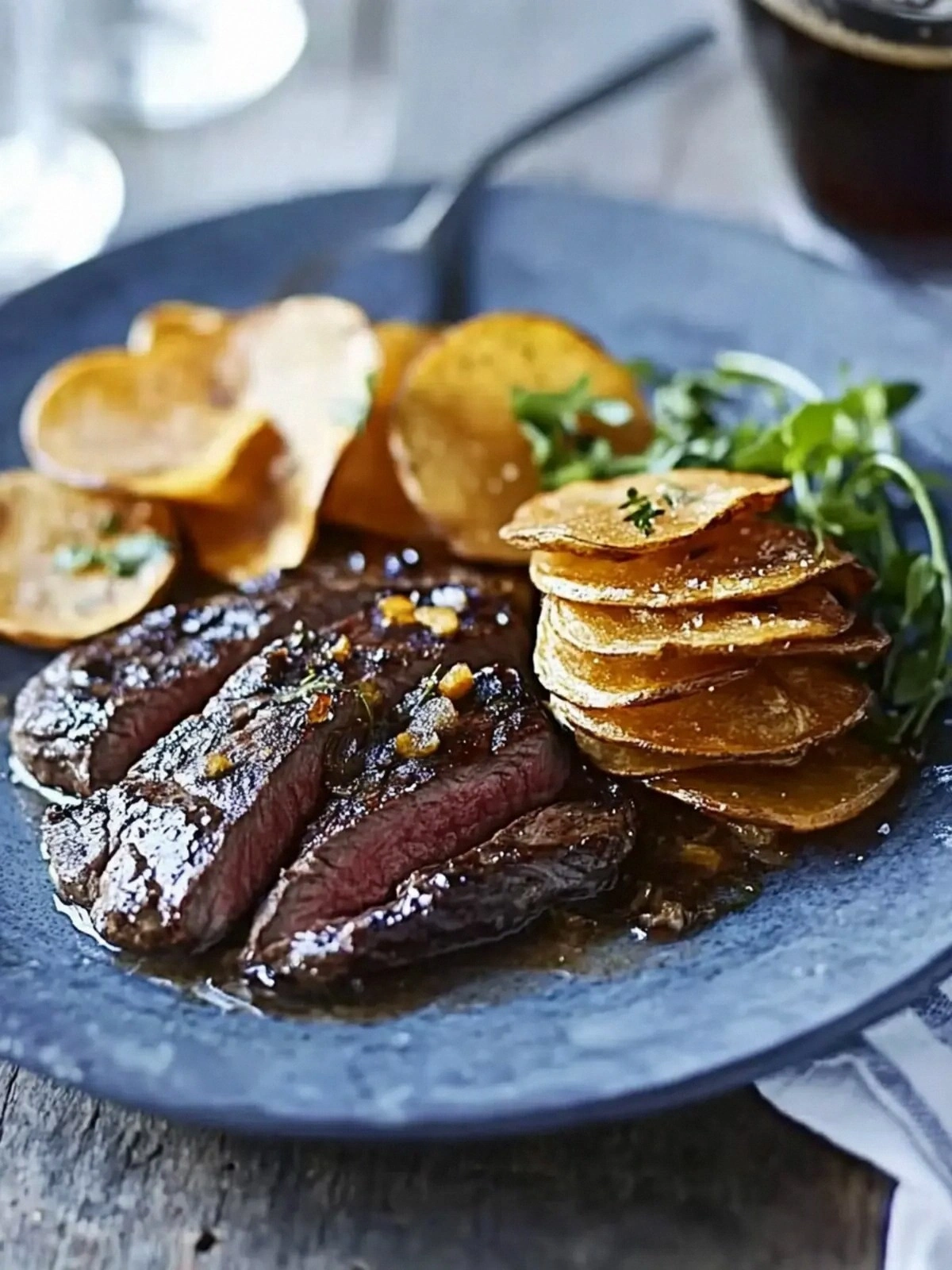
Picture yourself pulling this out of the oven, the whole kitchen smelling incredible—rich, malty, and slightly sweet with a hint of smoky caramel. The steak is so tender it practically melts on the tongue, while the sauce clings to the meat like velvet, thickened just enough to coat every inch. The potatoes, cut into thick wedges, are golden on the outside and pillowy inside, their edges crisping like thin ice under a sudden burst of heat. And the final flourish? A handful of bright, peppery watercress that cuts through the richness with a fresh, almost citrusy bite. If you’ve ever struggled to bring depth to a braised dish, you’re not alone—and I’ve got the fix.
What sets this recipe apart isn’t just the bold combination of stout and beef; it’s the method that transforms each component into a cohesive, unforgettable experience. The secret lies in a few micro‑challenges: searing the steak to lock in flavor, slow‑cooking it until it’s practically falling apart, and then giving the potatoes a double‑fry finish that gives them a texture that’s hard to beat. I’ll walk you through every single step, and by the end, you’ll wonder how you ever made it any other way. Ready to dive into the game‑changer?
The first thing you’ll notice is the aroma. As the steak hits the hot pan, the sound of a deep, satisfying sizzle fills the kitchen, and the scent of seared meat mingles with the faint sweetness of the stout. That scent alone tells you the sauce is on its way to becoming a rich, complex base. The visual cue is the caramelization on the meat’s surface, a golden-brown crust that promises flavor. The texture is the anticipation of a tender, fall‑apart finish. And the taste? Imagine a deep, malty note with a subtle hint of chocolate, balanced by the savory umami of the beef stock and the tang of Worcestershire. This is not your typical braised steak; it’s a dish that feels like a hearty hug wrapped in a dark, luxurious sauce.
What Makes This Version Stand Out
- Taste: The stout adds a deep, almost chocolatey richness that pairs beautifully with the savory beef stock and Worcestershire sauce, creating a sauce that coats the steak like velvet.
- Texture: The slow braising process breaks down connective tissue, yielding a steak that practically melts in your mouth, while the potatoes deliver a satisfying crunch.
- Simplicity: Despite the complex flavor profile, the recipe requires only a handful of ingredients and a single pan for most of the cooking.
- Uniqueness: The combination of stout and watercress is rarely seen in braised dishes, giving this recipe a distinctive twist that will wow any crowd.
- Crowd Reaction: Friends and family often comment on the unexpected depth of flavor and the perfect balance of sweet, savory, and peppery notes.
- Ingredient Quality: Using fresh, high‑quality beef shin steaks and a premium stout ensures the dish reaches its full potential.
- Cooking Method: The low‑and‑slow oven braise allows the flavors to meld, while a quick pan sear locks in the juices.
- Make‑Ahead Potential: The sauce can be prepared a day in advance, and the steak can be rested and reheated with minimal loss of quality.
Inside the Ingredient List
The Flavor Base
The Guinness or stout is the star of the show, lending a deep, malty sweetness that balances the savory notes from the beef stock cube and Worcestershire sauce. This is the liquid that will soak into the meat, infusing it with a complex flavor profile. If you skip the stout, the dish will feel flat and lack that signature richness. A good rule of thumb: choose a stout with a moderate bitterness to avoid overpowering the other ingredients.
The beef stock cube provides the essential umami foundation. Dissolve it in hot water before adding to the pan, ensuring a smooth, cohesive broth. A high‑quality cube will give the sauce depth and help it thicken naturally. If you don’t have a cube, you can use homemade stock or a concentrated beef bouillon for a fresher taste.
Worcestershire sauce adds a subtle tang and a hint of sweetness that complements the stout’s bitterness. It also brings a touch of complexity with its blend of vinegar, anchovies, and spices. A teaspoon is enough; too much can dominate the delicate balance. If you’re vegetarian, look for a plant‑based Worcestershire alternative.
The Texture Crew
The beef shin steaks are the backbone of this dish. They’re marbled and tender when cooked low and slow, making them ideal for braising. A thicker cut ensures the meat retains moisture and develops a beautiful, caramelized crust during the searing step. If you can’t find shin steaks, a chuck steak works well as a substitute.
The potatoes, cut into thick wedges, provide a contrasting texture. Their starch content allows them to crisp up beautifully when fried or roasted, while staying fluffy inside. If you prefer a different potato variety, russet potatoes are a great alternative for their higher starch content.
Polenta or plain flour is used to coat the potatoes, creating a protective shell that crisps up nicely. This thin layer also helps the oil adhere better, ensuring an even golden crust. For a gluten‑free option, use cornmeal or a gluten‑free flour blend.
The Unexpected Star
Watercress brings a peppery, almost citrusy finish that cuts through the richness of the stew. It adds a fresh burst of color and a subtle crunch. The trick is to add it at the very end so it remains crisp and bright. If watercress is out of season, arugula or spinach can be used as a suitable alternative.
The Final Flourish
Shallots, bay leaves, and horseradish are the aromatic backbone of the sauce. Shallots provide a gentle sweetness, bay leaves add herbal depth, and horseradish offers a sharp, peppery bite that awakens the palate. Each component is essential; skipping any of them will diminish the complexity of the final dish. For a milder version, reduce the horseradish to a half teaspoon.
Everything's prepped? Good. Let's get into the real action.
The Method — Step by Step
- Preheat your oven to 160 °C (320 °F). While the oven warms, season both sides of the beef shin steaks generously with salt and pepper. Heat a heavy Dutch oven or oven‑proof skillet over high heat, add 2 tablespoons of olive oil, and sear the steaks for 1–2 minutes on each side until a deep brown crust forms. This step locks in juices and creates a flavor base that the stout will later build upon. Once seared, remove the steaks and set aside.
- In the same pan, reduce the heat to medium and add the sliced shallots. Sauté them for 3–4 minutes, allowing them to soften and develop a gentle sweetness. The sound of the shallots caramelizing is a sure sign that the aromatics are on the right track. Once they’re translucent, sprinkle in the bay leaves and stir for a minute to release their herbal aroma.
- Add the horseradish, Worcestershire sauce, and brown sauce to the pan. Stir vigorously to combine, making sure the sauces coat the shallots and bay leaves. This mixture should smell like a savory, slightly tangy brew. If you’re feeling adventurous, a splash of extra stout can be added here for a deeper flavor profile.
- Pour in the 500 ml of Guinness or stout, scraping the bottom of the pan to loosen any browned bits. Bring the liquid to a gentle simmer, letting the flavors meld for 2 minutes. The liquid should be rich and slightly caramelized, not boiling too hard. This simmer is crucial for the sauce to develop its depth.
- Return the seared steaks to the pan, nestling them into the liquid. Add the beef stock cube, breaking it into smaller pieces for easier dissolution. Cover the pan tightly and transfer it to the preheated oven. This is the trickiest step; ensure the lid or foil seals well to trap steam, which will slowly break down the connective tissue in the steak.
- Bake the steak for 90 minutes, or until the meat is fork‑tender and the sauce has reduced to a thick, glossy consistency. Check the sauce after 60 minutes; it should have thickened considerably, and the steak should be easy to pierce with a fork. The slow oven braise is what makes the meat melt‑in‑your‑mouth.
- While the steak is braising, prepare the potatoes. Wash and cut the large baking potatoes into thick wedges, about 2 cm wide. In a large bowl, toss the wedges with 1 tablespoon of fine polenta (or plain flour), 1 tablespoon of sunflower oil, a pinch of salt, and pepper. The polenta coating helps the potatoes crisp up during roasting.
- Place the coated potato wedges on a baking sheet lined with parchment paper. Roast them in the oven for 25–30 minutes, turning once, until they’re golden and crisp on the outside and soft inside. The aroma of roasting potatoes will mingle with the savory stew, creating an irresistible scent.
- When the steak is done, remove it from the pan and let it rest for 10 minutes on a cutting board. Meanwhile, strain the braising liquid through a fine sieve, pressing the solids to extract every last drop of flavor. Return the strained sauce to the pan, bring it to a simmer, and let it reduce until it coats the back of a spoon. Finally, stir in the handfuls of watercress just before serving; the heat will wilt the greens slightly while preserving their bright color and peppery bite.
- Slice the rested steak into thick medallions and plate them alongside the roasted potato wedges. Drizzle the reduced sauce over the steak, ensuring every slice is coated. Garnish with a few extra leaves of watercress for a pop of color. The final presentation should look as indulgent as it tastes, with the glossy sauce and crisp potatoes creating a visual feast.
That's it—you did it. But hold on, I've got a few more tricks that'll take this to another level. Keep reading for insider tips that will ensure every bite is flawless.
Insider Tricks for Flawless Results
The Temperature Rule Nobody Follows
Many cooks instinctively crank the heat up during braising, hoping for faster results. However, keeping the oven at a steady 160 °C (320 °F) allows the collagen in the shin steak to break down slowly, turning the meat into a tender, melt‑in‑your‑mouth texture. A quick temperature ramp can cause the meat to toughen, so trust the low‑and‑slow approach. If you’re short on time, a 10‑minute reduction in oven temperature is worth it for the texture payoff.
Why Your Nose Knows Best
Before you touch the sauce, give it a good sniff. A rich, malty aroma with a faint hint of sweetness indicates the stout has integrated well. If the sauce smells flat or overly acidic, add a splash of brown sauce or a pinch of sugar to balance the flavors. Your nose is a reliable quality control tool that can save you from a mediocre dish.
The 5-Minute Rest That Changes Everything
After braising, let the steak rest for at least 10 minutes before slicing. This brief pause allows the juices to redistribute, ensuring each slice remains moist and flavorful. I once skipped this step and ended up with a steak that felt dry and uneven—lesson learned the hard way.
The Secret to Crispy Potatoes
The polenta coating is key, but double‑frying is the secret weapon for a perfect crunch. Fry the coated wedges at 180 °C for 3 minutes, remove, and let them cool for a minute before the final fry at 200 °C. This two‑step process creates a crisp exterior while keeping the interior fluffy. The result? Potatoes that bite back with a satisfying snap.
The Sauce Thickening Trick
If the sauce feels too thin after braising, whisk in a tablespoon of fine polenta or plain flour dissolved in a small amount of cold water. Stir vigorously and let it simmer for a few minutes until it thickens. This method avoids lumps and ensures a silky texture that clings to the steak.
The Watercress Surprise
Adding watercress too early will wilt it and dilute its peppery kick. Stir in the greens just before serving, allowing the residual heat to wilt them slightly while preserving their bright color and bite. If you’re serving the dish hot, the watercress will add a fresh contrast to the rich sauce.
Creative Twists and Variations
This recipe is a playground. Here are some of my favorite ways to switch things up:
Smoky Chipotle Twist
Add a tablespoon of chipotle in adobo sauce to the sauce base for a smoky heat that complements the stout. The chipotle’s subtle spice adds depth, making the dish perfect for a cozy, autumn evening.
Sweet & Spicy Pineapple Variation
Stir in a handful of diced fresh pineapple during the last 15 minutes of braising. The natural sweetness balances the stout’s bitterness, while a pinch of cayenne pepper gives a subtle kick.
Mediterranean Herb Variation
Replace the bay leaves with a mix of oregano, thyme, and rosemary. Finish the sauce with a splash of lemon zest for a bright, herbal finish that transports you to the Mediterranean coast.
Vegan Version with Seitan
Swap the beef shin steaks for thick seitan slices. Use vegetable stock instead of beef stock cube and replace Worcestershire sauce with a plant‑based version. The result is a hearty, plant‑based dish that still delivers the deep, savory flavor profile.
Gluten‑Free Polenta Crust
Use a gluten‑free polenta blend to coat the potatoes instead of regular flour. This keeps the dish gluten‑free while maintaining the crisp texture. Pair it with a gluten‑free Worcestershire sauce for a fully gluten‑free meal.
Kids‑Friendly Mild Version
Reduce the horseradish to a half teaspoon and omit the brown sauce. Replace the stout with a mild beer or even a non‑alcoholic stout. This version keeps the comforting flavors without overwhelming the palate.
Storing and Bringing It Back to Life
Fridge Storage
Store the braised steak and sauce in an airtight container in the refrigerator for up to 4 days. The flavors will deepen over time, making it even more delicious.
Freezer Friendly
You can freeze the steak and sauce separately for up to 3 months. Thaw overnight in the refrigerator before reheating. The potatoes are best enjoyed fresh, so reheat them in a hot oven to regain crispness.
Best Reheating Method
Reheat the steak and sauce in a skillet over medium heat, adding a splash of water or broth to keep it moist. For the potatoes, finish them in a 200 °C oven for 5 minutes to restore crispness. A tiny splash of water before reheating helps the sauce steam back to its silky consistency.