Love this? Pin it for later! 📌
Warm Roasted Parsnip & Carrot Medley: The Budget-Friendly Family Feast
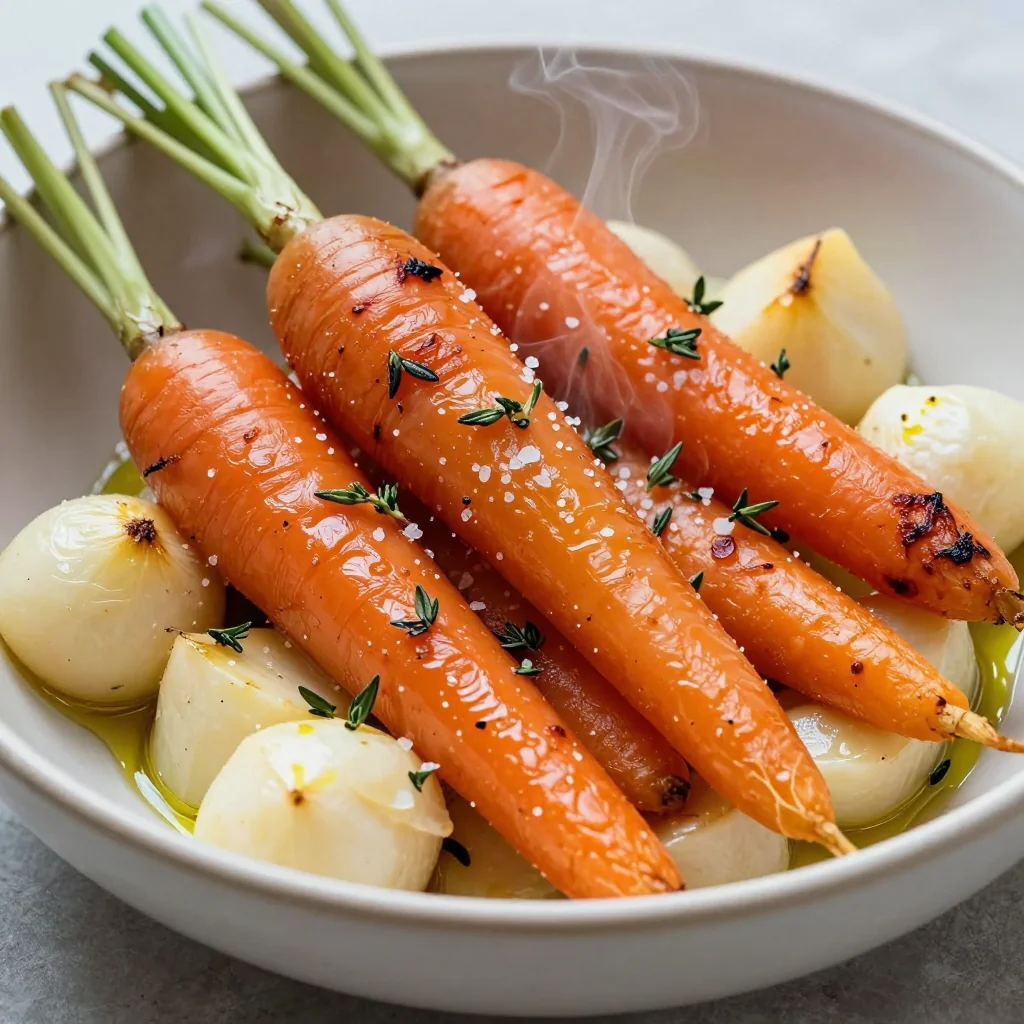
There's something magical about pulling a sheet pan of caramelized vegetables from the oven—the way the edges have turned golden and crispy, the aroma of thyme and garlic wafting through your kitchen, the promise of a meal that costs mere pennies but tastes like a million bucks. This roasted parsnip and carrot medley has been my go-to family budget meal for over a decade, born from a particularly lean January when grocery money was tight but I still wanted to serve something nourishing and delicious to my growing boys.
What started as a "clean out the crisper drawer" experiment has become our family's most requested side dish, often elevated to main-dish status with a simple addition of chickpeas or white beans. The natural sweetness of carrots paired with the earthy, almost nutty flavor of parsnips creates a symphony of flavors that even my pickiest eater devours. At roughly $0.75 per serving, it's proof that eating well doesn't require deep pockets—just a hot oven, some humble root vegetables, and a bit of kitchen know-how.
Why This Recipe Works
- Budget Hero: Feeds 6 people for under $5 total using humble root vegetables that last weeks in the fridge
- Hands-Off Cooking: 10 minutes of prep, then the oven does all the work while you help with homework or fold laundry
- Nutrient Powerhouse: Packed with beta-carotene, fiber, and vitamin C—each serving provides 200% daily vitamin A needs
- Meal Prep Champion: Tastes even better the next day, perfect for packing in lunch boxes or serving cold over salads
- Kid-Approved Sweetness: Roasting concentrates natural sugars, creating candy-like vegetables that convert even veggie-skeptics
- One Pan Wonder: Minimal dishes mean less cleanup time and more family time after dinner
Ingredients You'll Need
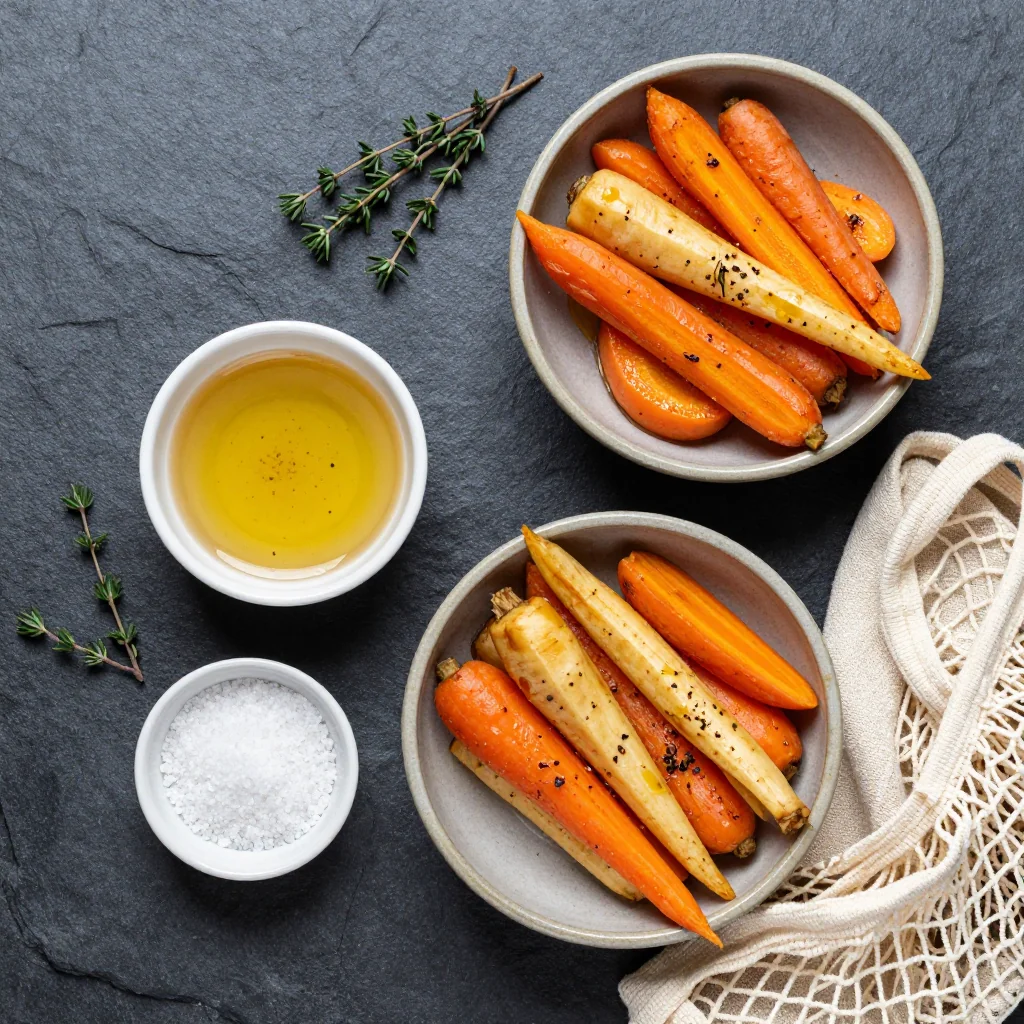
This humble ingredient list proves that extraordinary flavor doesn't require exotic items or specialty stores. Each component plays a crucial role in creating the perfect balance of sweet, savory, and herbaceous notes that make this dish so addictive.
Parsnips (2 pounds): Look for firm, medium-sized specimens without soft spots or sprouting. Smaller parsnips tend to be sweeter and less fibrous than their larger counterparts. If parsnips aren't available in your area, you can substitute with an equal amount of turnips or rutabaga for a similar earthy profile, though the sweetness will be slightly different.
Carrots (2 pounds): Any variety works beautifully here—standard orange carrots, rainbow heirloom varieties, or even baby carrots (though you'll want to halve larger ones). The key is uniform sizing so everything roasts evenly. Buy whole carrots instead of pre-cut; they're significantly cheaper and stay fresher longer.
Red Onion (1 large): Red onion provides a milder, slightly sweet flavor compared to yellow onions, plus gorgeous color contrast. As it roasts, the natural sugars caramelize, creating jammy, almost marmalade-like pieces that kids fight over. In a pinch, yellow onion works, but avoid white onions—they can become bitter when roasted.
Fresh Thyme (3-4 sprigs): This woody herb is practically made for roasting. Its earthy, slightly lemony flavor complements root vegetables perfectly. Fresh is best here—dried thyme becomes too pronounced and can taste medicinal. No thyme? Rosemary or sage make excellent alternatives.
Garlic (6 cloves): Whole, unpeeled cloves roast into sweet, spreadable nuggets of flavor. The paper skins protect them from burning while allowing the insides to become caramelized and mellow. Don't substitute garlic powder here—it simply can't replicate the depth of flavor.
Olive Oil (1/3 cup): A good quality extra-virgin olive oil makes a noticeable difference in the final flavor. If budget is tight, any neutral oil works, but olive oil's fruity notes really shine here. Avocado oil is an excellent alternative with a higher smoke point.
Maple Syrup (2 tablespoons): This might seem like an odd addition, but just a touch amplifies the vegetables' natural sweetness and helps create those gorgeous caramelized edges. Honey works too, but maple syrup's subtle smokiness is unbeatable. For a sugar-free version, simply omit it.
How to Make Warm Roasted Parsnip & Carrot Medley
Preheat & Prep Your Pan
Position your oven rack in the center and preheat to 425°F (220°C). This high temperature is crucial for proper caramelization—lower temperatures will steam rather than roast your vegetables. While the oven heats, line a rimmed baking sheet with parchment paper or a silicone mat for easy cleanup. If you don't have either, lightly oil the pan directly.
Master the Art of Vegetable Cutting
Consistency is key for even roasting. Peel parsnips and carrots, then cut into 2-inch pieces. Slice thicker ends lengthwise so all pieces are roughly the same size—think fat french fry shapes. This ensures everything cooks at the same rate. For parsnips, remove the tough woody core from larger specimens; smaller parsnips can be used whole. Red onion should be cut into 1-inch wedges, keeping the root end intact so the layers stay together during roasting.
Create the Perfect Seasoning Blend
In a small bowl, whisk together olive oil, maple syrup, salt, pepper, and a pinch of cinnamon. The cinnamon might seem unusual, but it adds warmth and depth without being identifiable. For the salt, use kosher—its larger crystals distribute more evenly than table salt. Start with 1 teaspoon and adjust to taste after roasting.
Toss for Maximum Flavor Coverage
Place all vegetables in the largest bowl you own—this prevents overcrowding and ensures even coating. Pour the oil mixture over and toss with your hands, making sure every surface is glistening. The vegetables should look shiny but not swimming in oil. Add thyme sprigs and whole garlic cloves, giving them a final gentle toss to distribute.
Arrange for Optimal Caramelization
Spread vegetables in a single layer with space between pieces—crowding causes steaming instead of roasting. If your pan is too full, use two pans. Position cut sides down where possible; these flat surfaces will develop the best caramelization. Tuck thyme sprigs throughout and scatter garlic cloves randomly.
Roast to Golden Perfection
Roast for 25 minutes, then remove and flip vegetables with a spatula. They should be starting to brown on the bottom. Return to oven for another 20-25 minutes until they're tender when pierced with a fork and have gorgeous golden-brown edges. Total roasting time is 45-50 minutes.
Finish with Fresh Flair
Remove from oven and let rest for 5 minutes—this allows flavors to settle and prevents burnt tongues. Squeeze fresh lemon juice over the warm vegetables for brightness. The hot vegetables will absorb it beautifully. Discard thyme stems (leaves will have fallen off) and serve the garlic cloves whole—they'll be sweet and spreadable.
Expert Tips
Temperature is Everything
Don't be tempted to lower the temperature for faster cooking. High heat is essential for caramelization—that beautiful browning that creates complex, nutty flavors. If your vegetables are burning before cooking through, move the rack lower, not the temperature down.
Oil Wisely
Vegetables should be glossy but not drowning. Too much oil creates soggy vegetables; too little results in dry, burnt pieces. Start with less—you can always drizzle more during roasting if things look dry.
Don't Peek Too Soon
Opening the oven door releases heat and interrupts the roasting process. Resist the urge to check before 20 minutes have passed. Use your oven light and peek through the window instead.
Size Matters
Cut vegetables to similar sizes, but consider density too. Carrots take longer to roast than parsnips, so cut them slightly smaller if using very thick carrots. This ensures everything finishes together.
Make Extra
This recipe scales beautifully—make a double batch while you're at it. Roasted vegetables keep for 5 days refrigerated and transform into soups, grain bowls, or pasta toppings throughout the week.
Sheet Pan Secret
For extra caramelization, preheat your sheet pan in the oven for 5 minutes before adding vegetables. The instant sizzle creates better browning, but work quickly to avoid oil splatters.
Variations to Try
Protein-Packed Version
Add a drained can of chickpeas or white beans during the last 15 minutes of roasting. The beans absorb all the delicious flavors while adding protein to make this a complete meal. A drizzle of tahini over the finished dish takes it to restaurant-quality levels.
Middle Eastern Twist
Replace thyme with 1 teaspoon each of ground cumin and coriander. Add a pinch of cinnamon and cayenne. After roasting, sprinkle with chopped preserved lemon and fresh parsley. Serve over couscous with a dollop of yogurt.
Holiday Special
Add 2 cups of fresh cranberries and substitute orange juice for the maple syrup. The cranberries burst and create a beautiful sweet-tart sauce that makes this worthy of your Thanksgiving table. Garnish with toasted pecans for crunch.
Asian-Inspired
Replace olive oil with sesame oil, use soy sauce instead of salt, and add fresh ginger. Finish with sesame seeds and green onions. This version pairs beautifully with grilled salmon or tofu.
Autumn Harvest
Substitute half the carrots with butternut squash cubes and add fresh sage. The squash adds gorgeous color and a creamy texture that contrasts beautifully with the crispy parsnips. A sprinkle of pomegranate seeds at the end adds festive flair.
Spicy Version
Add 1/2 teaspoon of smoked paprika and a pinch of chipotle powder to the oil mixture. The smokiness pairs beautifully with the natural sweetness of the vegetables. A squeeze of lime juice at the end brightens all the flavors.
Storage Tips
Refrigerator Storage
Store completely cooled vegetables in an airtight container for up to 5 days. Line the container with paper towels to absorb excess moisture and prevent sogginess. For best results, store garlic cloves separately—they tend to make everything taste like garlic over time.
Freezer Instructions
While roasted vegetables can be frozen, they'll lose their crispy texture. Freeze in single layers on baking sheets, then transfer to freezer bags for up to 3 months. Thaw overnight in the refrigerator and reheat in a hot oven (425°F) for 10-12 minutes to restore some crispness. They're perfect for adding to soups or purees when texture isn't critical.
Reheating Methods
For best results, reheat in a 400°F oven for 8-10 minutes. A toaster oven works perfectly for smaller portions. Microwave reheating is possible but will result in softer vegetables—if using microwave, cover with a damp paper towel and heat in 30-second intervals, stirring between each. A quick sauté in a hot pan with a touch of oil can restore some crispy edges.
Frequently Asked Questions
Three main culprits: overcrowding the pan (vegetables need space for steam to escape), too low oven temperature (425°F minimum), or too much oil. Make sure vegetables are in a single layer with some breathing room, and pat them dry if they seem wet. Also, don't flip too early—let them develop a good crust before disturbing.
Yes! Toss vegetables with 2 tablespoons of vegetable broth and 2 tablespoons of balsamic vinegar instead of oil. They won't get as crispy, but they'll still be delicious. You can also use an oil spray—just enough to prevent sticking. For extra browning without oil, broil for the last 2-3 minutes, watching carefully to prevent burning.
Parsnips are cream-colored root vegetables that are sweeter than carrots with a nutty, earthy flavor. They're shaped like carrots but have a completely different taste profile. Unlike white carrots (which are just pale carrots), parsnips have a more complex flavor that intensifies when roasted. They also have a slightly fibrous core that should be removed from larger specimens.
Absolutely! You can cut vegetables up to 3 days ahead and store them in an airtight container with a damp paper towel. You can also toss them with the oil mixture and refrigerate for up to 24 hours before roasting. For meal prep, roast a double batch on Sunday—leftovers reheat beautifully and are fantastic cold in salads or grain bowls throughout the week.
Turnips, rutabaga, or sweet potatoes all work beautifully and maintain the budget-friendly nature of this dish. For a milder flavor, try half parsnips and half potatoes—the potatoes absorb some of the parsnip flavor while toning it down. You could also use cauliflower florets, though they'll roast faster so add them after the first 15 minutes.
Perfectly roasted vegetables should be tender when pierced with a fork but not mushy. Look for deep caramelization on the cut edges—they should be golden brown to dark brown in spots. The onions should be jammy and sweet, and the garlic cloves should feel soft when squeezed. If in doubt, taste one—roasted vegetables are forgiving and won't overcook easily.
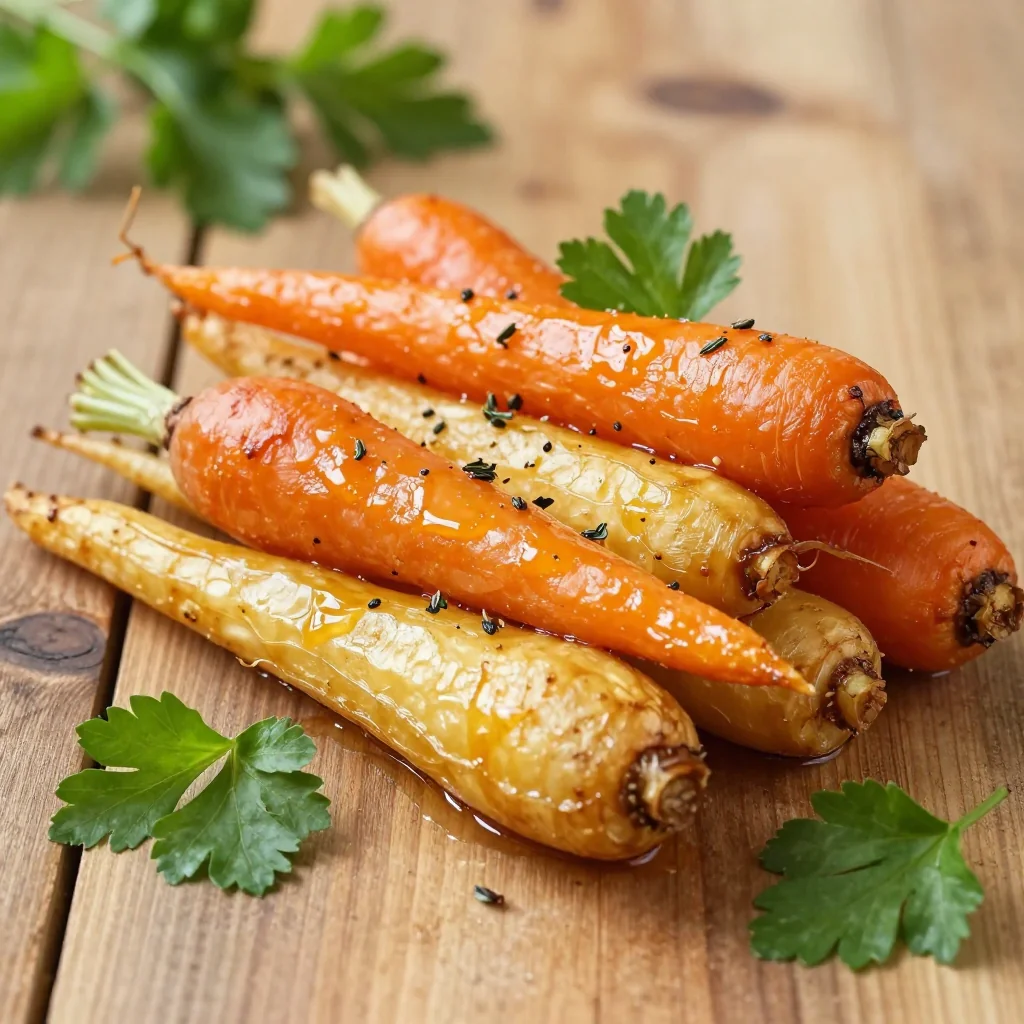
Warm Roasted Parsnip & Carrot Medley for Family Budget Meals
Ingredients
Instructions
- Preheat oven: Position rack in center and preheat to 425°F (220°C). Line a rimmed baking sheet with parchment paper.
- Prep vegetables: Peel parsnips and carrots. Cut into 2-inch pieces, halving thicker pieces lengthwise. Cut onion into 1-inch wedges, keeping root ends intact.
- Make seasoning: Whisk together olive oil, maple syrup, salt, pepper, and cinnamon in a small bowl.
- Toss vegetables: Place parsnips, carrots, onion, and garlic in a large bowl. Pour oil mixture over and toss to coat evenly.
- Arrange on pan: Spread vegetables in a single layer on prepared baking sheet. Tuck thyme sprigs throughout.
- Roast: Roast for 25 minutes, then flip vegetables with a spatula. Continue roasting another 20-25 minutes until tender and caramelized.
- Finish and serve: Remove from oven, discard thyme stems, squeeze lemon juice over vegetables, and serve hot.
Recipe Notes
For extra protein, add a drained can of chickpeas during the last 15 minutes of roasting. Leftover vegetables keep for 5 days refrigerated and are delicious cold in salads or reheated in a hot oven.