Love this? Pin it for later! 📌
The first time I served this Warm Citrus & Kale Salad to my book-club friends, the platter came back to the kitchen scraped so clean it looked as if it had just emerged from the dishwasher. January evenings in Chicago are brutal—grey skies, wind that whips straight through your coat, and a sun that insists on setting at 4:30 p.m. By the time lunch rolls up the next day, the last thing any of us craves is another cold sandwich. We want brightness, warmth, and something that feels restorative rather than heavy. That’s exactly what this salad delivers.
I started tinkering with the concept after buying a five-pound bag of gorgeous Texas ruby-red grapefruits from the farmers’ market. The jewel-toned segments reminded me of tiny paper lanterns—little bursts of optimism in the dead of winter. Massaged kale, still slightly wilted from a quick sauté, soaks up a mustard-citrus vinaigrette while blood-orange slices and caramelized shallots lend sweetness. A final snowfall of toasted pistachios and crumbled goat cheese transforms the bowl into something worthy of company (or at least worthy of photographing for Instagram). Whether you pack it in a thermos for a weekday office lunch or serve it alongside roast chicken on Sunday, this 30-minute recipe is winter’s edible sunshine.
Why This Recipe Works
- Quick heat & eat: A brief kiss of warmth softens raw kale without turning it to mush.
- Citrus trifecta: Grapefruit, orange, and lemon deliver vitamin C to fend off winter sniffles.
- Textural contrast: Creamy goat cheese, crunchy pistachios, and silky citrus segments keep every bite interesting.
- Meal-prep hero: Components can be prepped on Sunday and assembled in under five minutes.
- Naturally flexible: Swap nuts, cheese, or citrus to accommodate what’s in your fridge.
- Light yet satisfying: At roughly 285 calories per serving, it fuels afternoon energy without the post-lunch slump.
Ingredients You'll Need

The produce aisle in January can feel like a culinary desert, but citrus season is our delicious oasis. Look for grapefruits that feel heavy for their size—an indicator of thin skin and abundant juice. If you spot blood oranges, snag them; their raspberry-like aroma is stunning. Otherwise, navel oranges work beautifully.
Kale: Lacinato (a.k.a. dinosaur) kale is my favorite here. Its flat leaves soften quickly and look elegant. Curly kale is fine too; just strip the leaves from the woody stems and tear them into bite-size pieces. Buy organic if possible, since kale is on the “Dirty Dozen” list.
Shallots: Their delicate sweetness becomes irresistible once sautéed in olive oil. In a pinch, use half a small red onion, but shallots truly elevate the dish.
Goat cheese: A 4-ounce log is plenty. If you’re dairy-free, substitute with diced avocado or a sprinkle of toasted nutritional-yeast almonds.
Pistachios: Buy them already shelled to save time. Lightly toasting in a dry skillet for three minutes intensifies flavor. Swap with walnuts, pecans, or pumpkin seeds if you prefer.
Extra-virgin olive oil: Since the dressing is simple, use the best bottle within reach. A grassy, peppery oil mingles beautifully with citrus.
Maple syrup: Just a teaspoon balances grapefruit’s bitterness. Honey or agave both work if maple isn’t on hand.
Whole-grain mustard: Adds rustic texture and gentle heat. Dijon is a fine substitute, but you’ll lose the pleasant pop of mustard seeds.
Sea salt & pepper: Season assertively; citrus can handle it.
How to Make Warm Citrus & Kale Salad with Grapefruit
Prep the citrus
Slice off the top and bottom of the grapefruit and orange so they stand flat. Following the curve of the fruit, cut away the peel and white pith in wide strips. Hold the fruit over a bowl and, using a sharp knife, cut between membranes to release segments (this is called supreming). Squeeze the remaining membrane into the bowl to catch extra juice—you’ll use this for the dressing.
Massage the kale
Place torn kale in a large bowl, drizzle with 1 tsp olive oil and a pinch of salt. Using clean hands, rub the leaves together for 30-45 seconds until they darken and feel slightly silky. This breaks down tough fibers and removes harsh rawness without cooking.
Sauté aromatics
Warm 1 Tbsp olive oil in a large skillet over medium heat. Add thinly sliced shallots and cook 2-3 minutes until translucent and fragrant, not browned. Stir in minced garlic for 30 seconds. The goal is gentle aromatics, not crispy shallots.
Wilt the kale
Add massaged kale to the skillet. Toss with tongs for 60-90 seconds, just until the leaves turn a deeper green and begin to soften. Transfer immediately to a serving platter to halt cooking; overheated kale becomes drab and sulfurous.
Shake up the vinaigrette
In a small jar combine 2 Tbsp reserved citrus juice, 2 Tbsp extra-virgin olive oil, 1 tsp maple syrup, 1 tsp whole-grain mustard, ¼ tsp sea salt, and a few grinds of black pepper. Seal and shake vigorously until emulsified and glossy, about 15 seconds.
Assemble while warm
Drizzle half the dressing over the kale and shallots; toss gently. Nestle citrus segments throughout the greens so their juices mingle. Top with crumbled goat cheese, toasted pistachios, and a final drizzle of remaining dressing. Serve immediately for a lightly warm salad, or let it sit five minutes for flavors to meld.
Expert Tips
Dry those leaves
Water clinging to kale will spatter in hot oil. Use a salad spinner or clean dish towel to remove excess moisture before sautéing.
Toast nuts in the same skillet
After wilting kale, wipe the skillet, add pistachios, and toast 2-3 minutes, shaking often. Saves a pan and picks up leftover shallot flavor.
Make-ahead segments
Citrus segments keep 3 days submerged in their juice. Store in an airtight jar in the fridge and simply drain before using.
Avoid bitter pith
When supreming, slice deep enough to remove the white pith, which is noticeably bitter. A sharp, thin-bladed knife makes all the difference.
Double the dressing
If you like a heavily dressed salad, double the vinaigrette; leftovers keep a week and are fantastic drizzled over roasted salmon or avocado toast.
Serve atop quinoa
For a heartier lunch, spoon the finished salad over warm quinoa or farro. The grains will soak up citrus juices and stretch servings.
Variations to Try
-
Winter harvest: Substitute roasted butternut squash cubes and candied pecans for a sweet-savory twist reminiscent of Thanksgiving—minus the food coma.
-
Vegan delight: Skip goat cheese and add one diced avocado plus a sprinkle of nutritional yeast for umami richness.
-
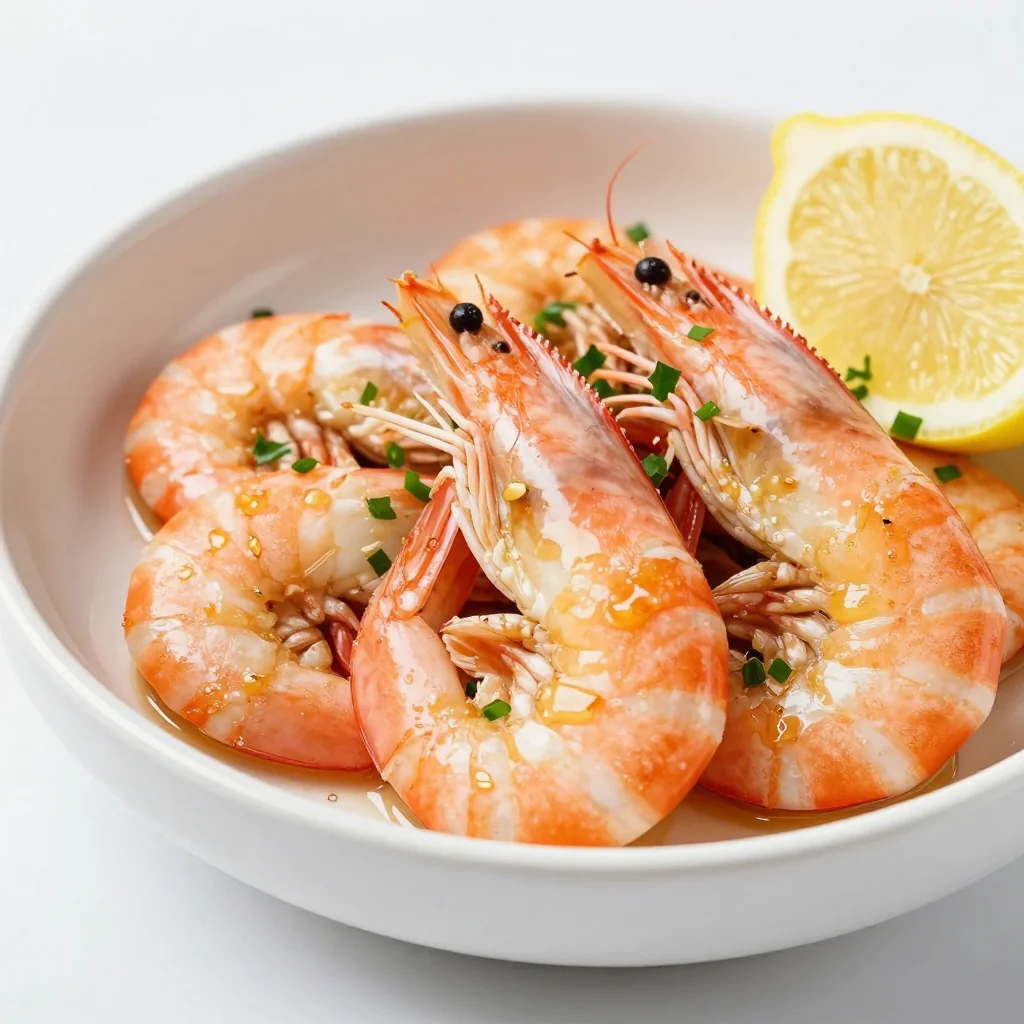
Protein punch: Top with warm skillet-seared shrimp or a soft-boiled egg for an extra 12 grams of protein per serving.
-
Mediterranean twist: Trade pistachios for toasted pine nuts and add a handful of chopped Castelvetrano olives plus a final sprinkle of za’atar.
Storage Tips
Refrigeration: Store each component separately—kale mixture, citrus segments, dressing, cheese, and nuts—in airtight containers. The dressed kale keeps 2 days before wilting; citrus segments last 3 days submerged in juice. Bring all parts to room temperature, re-warm kale briefly in a skillet, and assemble just before serving.
Freezing: Citrus segments freeze well for future smoothies. Arrange in a single layer on a parchment-lined tray; once solid, transfer to freezer bags for up to 2 months. The vinaigrette may be frozen in ice-cube trays; thaw overnight in the fridge and re-shake before using.
Make-ahead lunches: Pack kale-shallot mixture and vinaigrette in a heat-safe jar. Keep citrus, goat cheese, and nuts in separate snack-size bags. At lunchtime, microwave the jar (lid off) for 25-30 seconds until just warm, then toss with remaining components.
Frequently Asked Questions

Warm Citrus & Kale Salad with Grapefruit
Ingredients
Instructions
- Supreme citrus: Slice off peel and pith, cut between membranes to release segments; reserve juice.
- Massage kale: Toss with 1 tsp oil and pinch of salt until leaves darken, 45 seconds.
- Sauté aromatics: Warm 1 Tbsp oil in skillet, cook shallots 2-3 min, add garlic 30 sec.
- Wilt kale: Add to skillet, toss 60-90 sec until bright green; transfer to platter.
- Make vinaigrette: Shake 2 Tbsp citrus juice, 2 Tbsp oil, maple syrup, mustard, salt & pepper.
- Assemble: Dress kale, top with citrus, goat cheese, pistachios; serve warm.
Recipe Notes
For meal-prep, store components separately and assemble just before eating. Salad is best enjoyed slightly warm or at room temperature.