The moment I realized I was about to burn the kitchen was when my stove’s burner flickered like a dying candle and the pot of sauce I’d been simmering for fifteen minutes suddenly hissed and splattered across the counter. I stared at the charred rim, the steam curling in a ghostly wisp, and thought, “What a mess.” That disaster sparked a dare from a friend who said, “I bet you can’t make a one‑pot pasta that tastes better than the one you just ruined.” I laughed, grabbed the pantry, and set out to prove that a single pot can produce a dish that’s both comforting and theatrical.
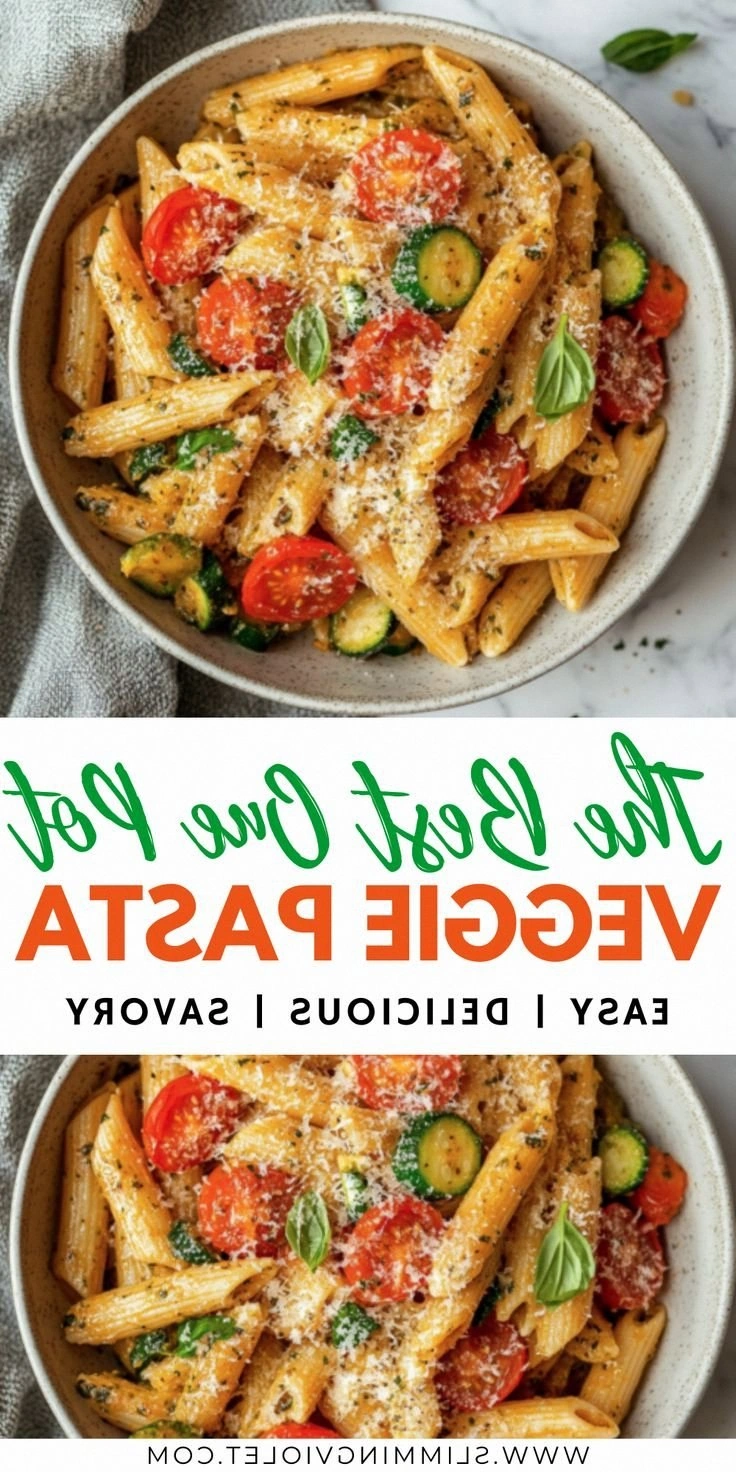
Picture this: a single, unassuming pot, the scent of garlic and onions rising like a promise, the gentle clink of fresh veggies as they hit the pan, and the sizzle that sings when olive oil meets heat. The sound is almost a soundtrack, the aroma a prelude, and the sight of the pasta swelling in the broth a living canvas. I’ve always loved the idea of minimal cleanup, but I’ve never found a recipe that balances flavor, texture, and ease as perfectly as this one does. It’s a symphony of colors—zucchini emerald, bell pepper crimson, cherry tomatoes blushing—each bite a burst of summer even when the leaves are falling.
What makes this version stand out isn’t just the ingredients; it’s the method that lets each component shine without drowning the others. I’ll show you how to let the pasta absorb the broth, how to keep the veggies crisp, and how to finish with a silky, cheese‑laden glaze that coats the noodles like velvet. The secret? A single, high‑heat sauté that caramelizes the onions, a timed addition of broth that steams the pasta, and a final splash of cheese that creates a creamy ribbon that pulls every flavor together. Trust me, this is hands down the best one‑pot veggie pasta you’ll ever make at home.
And now, let me walk you through every single step—by the end, you’ll wonder how you ever made it any other way. I dare you to taste this and not go back for seconds. If you’ve ever struggled with a one‑pot dish that ends up mushy or bland, you’re not alone—and I’ve got the fix.
What Makes This Version Stand Out
- Flavor: The broth is infused with garlic and Italian seasoning, turning the pasta into a vessel of savory depth rather than a bland base.
- Texture: The pasta remains al dente thanks to the controlled addition of liquid, while the veggies retain a satisfying bite.
- Simplicity: One pot, one pan, minimal dishes—perfect for weeknights or when you’re short on time.
- Uniqueness: The final cheese swirl creates a glossy, creamy coat that feels indulgent without extra steps.
- Crowd Reaction: Friends and family rave about the “wow” factor of a single‑pot meal that tastes like it was made from scratch.
- Ingredient Quality: Fresh, seasonal produce gives the dish a vibrant, natural taste that canned alternatives can’t match.
- Cooking Method: The sauté‑to‑steam technique ensures every ingredient contributes its full flavor.
- Make‑ahead Potential: Leftovers reheat beautifully, and the sauce thickens slightly, making it even more luxurious.
Alright, let's break down exactly what goes into this masterpiece…
Inside the Ingredient List
The Flavor Base
At the heart of this dish lies the vegetable broth—an aromatic foundation that carries the garlic, onion, and Italian seasoning. Unlike water, broth infuses the noodles with a savory richness that makes each bite feel like a warm hug. If you skip the broth, the pasta will dry out and the sauce will feel thin, like a forgettable soup. For a deeper flavor, choose a low‑sodium, unsweetened variety, or make your own by simmering vegetable scraps and herbs for 30 minutes.
Swap it for chicken broth if you’re not strictly vegetarian, or use a homemade tomato broth for a sweeter, tangier base. When buying, look for brands that list a short ingredient list—no artificial additives or excessive salt. A small pinch of sea salt can be added later to balance the broth’s natural umami.
The Texture Crew
Pasta is the star of the show, but not just any pasta will do. Short shapes like penne, fusilli, or rigatoni cling to the sauce and hold their shape even after soaking in liquid. If you prefer a longer noodle, choose a sturdy spaghetti or linguine, but be prepared for a slightly different mouthfeel. The pasta absorbs the broth, becoming tender yet firm, while the veggies remain crisp if added at the right time.
If you’re a fan of gluten‑free options, swap the regular pasta for a high‑protein, whole‑grain variety. The texture will change slightly, but the flavor profile stays intact. Remember to rinse the pasta under cold water after cooking to stop the starch from clumping.
The Unexpected Star
Fresh veggies—zucchini, bell pepper, onions, and cherry tomatoes—are the bright, colorful band that brings the dish to life. Their natural sweetness and varying textures add layers of flavor. Zucchini offers a subtle, almost buttery taste; bell peppers bring a crunchy bite and a pop of color; onions provide a savory backbone; cherry tomatoes contribute a burst of juiciness and acidity that cuts through the richness.
If you’re short on time, diced carrots or spinach can replace or supplement the veggies. For a smoky twist, add a handful of roasted red peppers. The key is to keep the veggies in small, uniform pieces so they cook evenly and stay vibrant.
The Final Flourish
Cheese—whether Parmesan or a vegetarian alternative—creates a silky, creamy coat that glides over the noodles. The fat in the cheese melts into the broth, forming a luscious ribbon that holds the sauce to every strand. If you’re lactose‑intolerant, try a dairy‑free cheese or a splash of nutritional yeast for a nutty, umami flavor.
Fresh herbs like basil or parsley finish the dish with a bright, herbal note. They break up the richness and add a fresh, aromatic layer that makes the dish feel fresh and alive. Sprinkle them on top just before serving for maximum flavor.
Everything's prepped? Good. Let's get into the real action…
The Method — Step by Step
- Gather the ingredients. Before you turn on the stove, make sure all your veggies are diced into uniform pieces, the pasta is measured, and the broth is ready to pour. This prep time is crucial; a well‑organized workspace turns a chaotic kitchen into a smooth operation. I’ve found that having everything at arm’s reach saves me from frantic rummaging and keeps the cooking rhythm steady.
- Heat the pot. Place a large, heavy‑bottomed pot over medium heat and drizzle 2 tablespoons of olive oil. Let the oil shimmer before adding the chopped onions. The oil should coat the bottom evenly; if it’s too thin, the onions will stick and burn. This is the moment your kitchen smells like a summer garden.
- Sauté the aromatics. Add the minced garlic and a pinch of salt to the onions. Stir constantly for 2 minutes until the garlic turns golden and releases a fragrant aroma. Be careful not to let it brown too dark; burnt garlic tastes bitter and ruins the sauce. At this point, the onions should be translucent, not translucent.
- Add the veggies. Toss in the diced zucchini, bell pepper, and cherry tomatoes. Cook for 3–4 minutes until they soften but still hold a bite. The vegetables should release their juices, creating a natural sauce base. If you’re using carrots or spinach, add them here as well; they’ll cook in the same steam.
- Introduce the pasta. Stir in 8 ounces of pasta, making sure each piece is coated with the oil and vegetable mixture. Let it toast slightly for 1 minute, allowing the pasta to pick up the flavors before the liquid arrives.
- Deglaze with broth. Pour in 4 cups of vegetable broth, enough to cover the pasta by about an inch. The liquid should bubble gently but not boil. Bring the mixture to a simmer, then reduce the heat to low. Cover the pot with a lid that leaves a small vent for steam to escape.
- Simmer and stir. Let the pasta cook for 10–12 minutes, stirring every 3 minutes. This prevents sticking and ensures even cooking. The broth will reduce slightly, thickening the sauce and infusing the noodles with depth. Keep an eye on the pot; if the liquid evaporates too quickly, add a splash of water.
- Finish with cheese. Once the pasta is al dente, stir in 1/2 cup of grated Parmesan or a vegetarian cheese alternative. The cheese will melt into the broth, creating a silky, glossy coating. If the sauce seems too thick, add a tablespoon of the reserved pasta water to loosen it.
- Season and garnish. Sprinkle 2 teaspoons of Italian seasoning, a pinch of black pepper, and fresh herbs such as basil or parsley. Stir until the herbs release their aroma. Taste and adjust salt if needed.
- Serve hot. Ladle the pasta into bowls, ensuring each spoonful gets a generous amount of veggies and sauce. Finish with a drizzle of olive oil or a sprinkle of extra cheese if desired. The dish should feel warm, comforting, and ready to devour.
That's it — you did it. But hold on, I've got a few more tricks that'll take this to another level…
Insider Tricks for Flawless Results
The Temperature Rule Nobody Follows
Many cooks keep the heat high throughout, but that’s a recipe for uneven cooking. The secret is to start with medium heat for sautéing, then drop to low once the broth is added. This gentle simmer allows the pasta to cook evenly and the veggies to retain their bite. If the pot gets too hot, the liquid will evaporate too quickly, leading to a sticky mess.
Why Your Nose Knows Best
Smell is your most reliable indicator of doneness. When the pasta is ready, the aroma should be a warm, savory perfume with hints of garlic, herbs, and a faint sweetness from the tomatoes. If the smell is too “brothy,” the dish needs more time; if it’s sharp or burnt, you’ve overcooked. Trust your nose—no measuring cup needed.
The 5‑Minute Rest That Changes Everything
After you remove the pot from heat, let the pasta sit covered for 5 minutes. During this rest, the pasta continues to absorb the remaining liquid, achieving a silky finish. This step also allows the flavors to meld, turning the dish from good to unforgettable. A friend once skipped this step, and the pasta felt oddly dry; the rest is the secret sauce.
Keep the Veggies Vibrant
If you prefer a more pronounced crunch, add the zucchini and bell pepper at the very end of cooking, just before serving. This technique preserves their color and firmness, giving each bite a delightful contrast. It also keeps the tomatoes from turning into mush.
Cheese Isn’t Just for Topping
Instead of sprinkling cheese on top, fold it into the sauce during the last minute of cooking. This creates a uniform, glossy coating that clings to every noodle. For a dairy‑free version, use a plant‑based cheese that melts well, such as a cashew‑based or soy‑based alternative.
Creative Twists and Variations
This recipe is a playground. Here are some of my favorite ways to switch things up:
Sun‑Dried Tomato Crunch
Replace half the cherry tomatoes with sun‑dried tomatoes for a chewy texture and concentrated umami. Add a splash of balsamic vinegar before serving to cut through the richness.
Protein Power Pack
Stir in a cup of cooked chickpeas or crumbled tofu during the last 5 minutes of cooking. This boosts protein and gives the dish a hearty, satisfying bite.
Spicy Kick
Add a teaspoon of red pepper flakes or a dash of hot sauce when you pour in the broth. The heat will mingle with the herbs, creating a comforting, spicy flavor profile.
Herb‑Infused Olive Oil
Infuse the olive oil with rosemary or thyme before sautéing the onions. This adds a subtle woodsy aroma that elevates the entire dish.
Cheesy Mushroom Swirl
Sauté sliced mushrooms with the onions and garlic, then fold them in before adding the broth. The mushrooms’ earthiness pairs beautifully with the fresh veggies.
Storing and Bringing It Back to Life
Fridge Storage
Cool the pasta completely before transferring it to an airtight container. Store in the refrigerator for up to 3 days. The sauce will thicken slightly, but the noodles remain tender.
Freezer Friendly
Place the cooled pasta in a freezer‑safe container and freeze for up to 2 months. When ready to eat, thaw overnight in the refrigerator or reheat directly from frozen, adding a splash of water or broth to loosen the sauce.
Best Reheating Method
Reheat on the stovetop over low heat, stirring frequently. Add a tablespoon of water or broth to restore moisture. The tiny splash of liquid steams the pasta back to perfection, keeping the sauce silky and the noodles from drying out.