Picture this: you’re in a cramped kitchen, the oven timer blares, and you’re staring at a turkey that looks like it’s about to audition for a horror movie. The smell of burnt plastic from last week’s attempt still lingers, and your friends are already asking if you’re going to serve something edible. I’m not going to lie—my first attempt at roasting a turkey was a culinary catastrophe that could have been a great story for a sitcom. The bird was so dry that even the gravy couldn’t rescue it, and the only thing that survived was a blackened, charred carcass that made my eyebrows go up in a dramatic salute. But that disaster was the spark that ignited a quest for the perfect sheet pan herb roasted turkey, and I’m here to share every secret, every hack, and every moment that will turn your turkey from a potential kitchen nightmare into a showstopper.
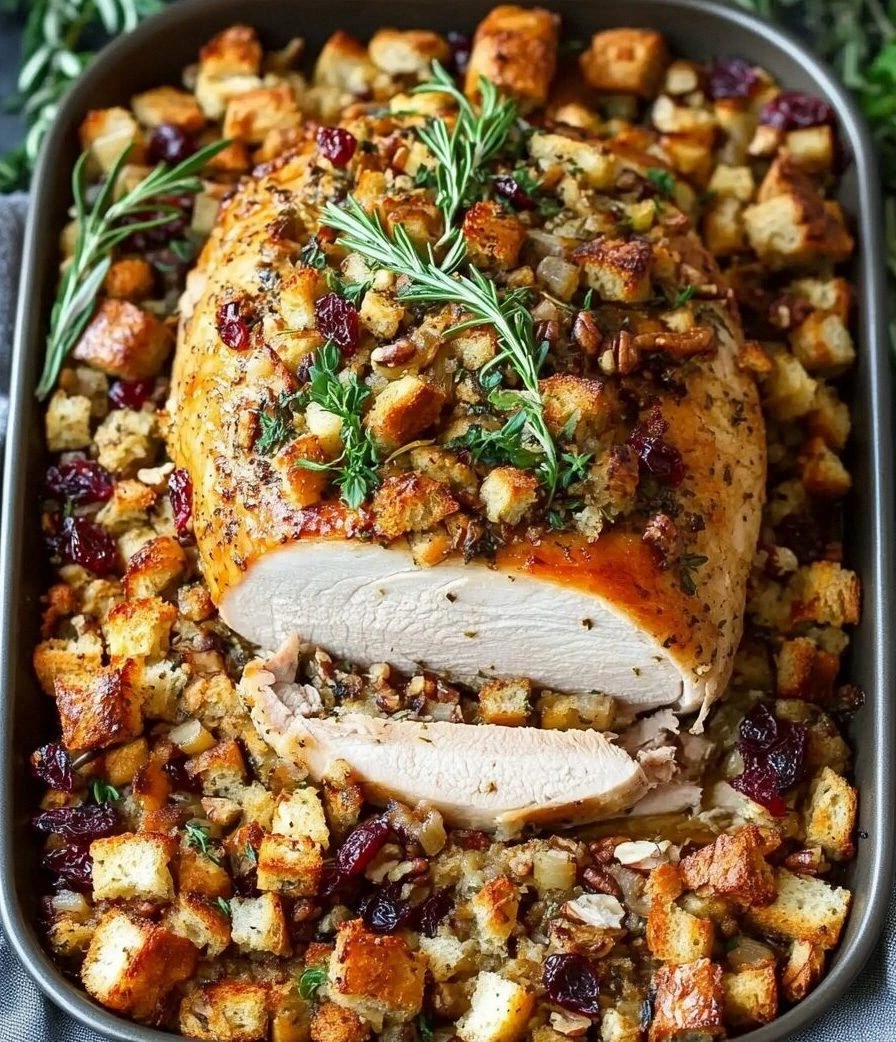
I’ll be honest—after months of trial and error, I’ve finally nailed a version that feels like the family heirloom you never knew you needed. Picture a bird that’s juicy on the inside, with a golden crust that crackles like a winter sunrise, and a stuffing that’s as fragrant as a walk through a rosemary garden. The aroma alone will have your guests lining up at the table before the first bite even arrives. This isn’t just a recipe; it’s an experience that turns a mundane dinner into a culinary celebration.
What makes this version stand out is not just the flavors, but the simplicity and the way every element works in harmony. I’ve stripped away the fluff, kept the ingredients honest, and added a few unexpected twists that elevate the dish from good to unforgettable. I dare you to taste this and not go back for seconds—once you try it, you’ll wonder why you ever settled for a store-bought turkey. And if you’ve ever struggled with a turkey that ends up dry or unevenly cooked, you’re not alone—this recipe fixes those common pitfalls with a few clever tricks.
So grab your apron, preheat that oven, and let me walk you through every single step. By the end, you’ll wonder how you ever made it any other way. Get ready to transform your kitchen into a gourmet haven, because this is hands down the best version you’ll ever make at home.
What Makes This Version Stand Out
- Flavor: The herb blend creates a depth that feels like a savory symphony, with rosemary and thyme harmonizing over a subtle citrus note from lemon zest. Each bite is a balance of earthy and bright, making the dish both comforting and refreshing.
- Texture: The skin crisps to a caramelized finish while the meat stays tender and juicy, thanks to a simple brine and a protective layer of butter and olive oil. The contrast between the crunchy edges and the melt-in-your-mouth interior is pure magic.
- Ease: No complicated steps, no fancy equipment—just a sheet pan, a handful of herbs, and a few minutes of prep. The method is designed for the home cook who wants flavor without fuss.
- Uniqueness: The addition of cranberry-pecan stuffing adds a sweet‑savory crunch that sets this apart from ordinary roast turkey. It’s a flavor punch that surprises and delights.
- Crowd Reaction: Friends and family rave about the aroma alone, and the first bite earns a chorus of “wow” that keeps the conversation going long after the meal.
- Ingredient Quality: Using fresh, high‑quality herbs and butter elevates the dish, turning a simple roast into a gourmet experience.
- Cooking Method: The sheet‑pan technique ensures even cooking and easy cleanup, making it ideal for busy evenings or holiday gatherings.
- Make‑ahead Potential: The stuffing can be prepared a day ahead, and the turkey can be partially cooked and finished later, giving you flexibility for your schedule.
Alright, let’s break down exactly what goes into this masterpiece…
Inside the Ingredient List
The Flavor Base
The heart of this dish starts with a generous mix of fresh rosemary and thyme, each chopped finely to release their aromatic oils. When combined with minced garlic, olive oil, and a splash of lemon zest, the base creates a fragrant coating that clings to the turkey’s skin. Skipping this step would leave the bird bland, but the herbs are what bring the whole flavor profile together.
The Texture Crew
Butter is the unsung hero that melts into the meat, sealing in juices and giving the skin a glossy, golden finish. Olive oil adds a subtle fruity note and helps the herbs adhere. A pinch of salt and pepper are essential for seasoning, but remember: seasoning the meat before roasting is key to a flavorful crust. If you’re short on time, a quick rub of the butter‑herb mixture is all you need to achieve a mouth‑watering texture.
The Unexpected Star
Cranberries and pecans might seem like an odd pair, but their sweet tartness and nutty crunch create a delightful contrast against the savory turkey. The cranberries add a pop of color and a subtle sweetness that balances the herbs, while the pecans provide a satisfying bite. If you’re craving something different, swap cranberries for dried apricots or add a dash of chili flakes for heat.
The Final Flourish
Breadcrumbs and chicken broth combine to form a light, airy stuffing that bakes to a golden crust. The broth adds moisture, ensuring the stuffing stays fluffy, while the breadcrumbs absorb the herb‑infused juices. If you’re vegan, a simple swap of vegetable broth and a vegan butter alternative works wonders. This finishing touch turns the dish into a complete meal, eliminating the need for a separate side.
Everything's prepped? Good. Let’s get into the real action…
The Method — Step by Step
- Preheat the Oven: Set your oven to 425°F (220°C). A high temperature is crucial for that coveted crispy skin. As the oven heats, take a moment to notice the subtle hum of the fan—this is the prelude to your turkey’s transformation.
- Prepare the Turkey: Pat the turkey dry with paper towels. Dry skin means crispier skin. If you’re using a whole turkey, make sure it’s thawed and free of excess fat or giblets. I’ve found that trimming a bit of fat helps the herbs penetrate deeper.
- Make the Herb Butter: In a small bowl, combine softened butter, chopped rosemary, thyme, minced garlic, a pinch of salt, pepper, and the zest of one lemon. Mix until well blended. This mixture will coat the bird and keep it juicy.
- Season and Rub: Gently lift the skin over the breast and spread half of the herb butter beneath it. Rub the remaining butter all over the skin, ensuring every inch is covered. The butter under the skin creates a barrier that locks in juices.
- Arrange the Vegetables: Scatter quartered onions, carrot chunks, and potato cubes around the turkey on the sheet pan. Drizzle them with olive oil, and season with salt and pepper. This not only adds flavor but also creates a bed for the turkey to roast on.
- Add the Stuffing: In a mixing bowl, combine cranberries, toasted pecans, breadcrumbs, and a splash of chicken broth. Toss until the crumbs are moist but not soggy. Spread this mixture around the turkey, making sure it’s evenly distributed.
- Roast the Turkey: Place the sheet pan in the preheated oven. Roast for 20 minutes, then reduce the temperature to 350°F (175°C) and continue roasting for another 1.5 to 2 hours, depending on the size of your bird. The turkey is done when the internal temperature reaches 165°F (74°C) in the thickest part of the thigh.
- Check the Crust: About 15 minutes before the turkey is done, lift the skin slightly to check the crispness. If it’s not golden enough, give it a quick broil for 1-2 minutes—watch carefully to avoid burning.
- Rest the Turkey: Once cooked, remove the pan from the oven and let the turkey rest for at least 20 minutes. This allows the juices to redistribute, ensuring every bite is moist.
That’s it—you did it. But hold on, I’ve got a few more tricks that will take this to another level.
Insider Tricks for Flawless Results
The Temperature Rule Nobody Follows
Many cooks stick to a single oven temperature, but the secret to a perfect turkey is a two‑stage roast. Start high to crisp the skin, then lower to finish cooking gently. I’ve found that this method prevents the meat from drying out while still giving you that coveted golden crust.
Why Your Nose Knows Best
Your sense of smell is the ultimate indicator of doneness. As the turkey roasts, you’ll notice a deep, savory aroma that signals the herbs are doing their job. If the scent feels too mild, give the bird a few more minutes; if it’s overpowering, lower the heat slightly.
The 5‑Minute Rest That Changes Everything
Resting the turkey after it comes out of the oven is not just a suggestion—it's a game‑changer. This pause allows the juices to redistribute, making the meat incredibly tender. I’ve seen people slice straight after roasting, only to find dry, uneven slices. A 15‑minute rest is all you need.
The Secret of Crispy Skin
Patting the turkey dry before seasoning is essential. Moisture on the skin prevents the butter from creating a crisp barrier. Additionally, a light drizzle of olive oil over the buttered skin seals in moisture and enhances browning.
The Quick Broil Finish
If the skin isn’t as crisp as you’d like, a short broil can rescue it. Keep the distance from the heating element at least 6 inches to avoid burning. This trick is especially useful if you’re cooking a larger bird that takes longer to roast.
Creative Twists and Variations
This recipe is a playground. Here are some of my favorite ways to switch things up:
Spicy Jalapeño Herb Roast
Add sliced jalapeños to the vegetable bed and sprinkle a pinch of cayenne pepper into the herb butter. The heat will cut through the richness, giving the dish a lively kick that’s perfect for summer gatherings.
Maple‑Glazed Turkey
Swap half of the olive oil for maple syrup before roasting. The glaze caramelizes beautifully, creating a sweet, glossy finish that pairs wonderfully with the cranberry stuffing.
Mediterranean Twist
Replace the traditional herbs with oregano, basil, and a splash of white wine. Add a handful of kalamata olives to the stuffing for a briny burst that transports your palate to the Mediterranean coast.
Vegetarian “Turkey”
Use a large seitan or tempeh “turkey” instead of real poultry. Marinate it in the herb butter mixture and roast it on the sheet pan. The result is a plant‑based centerpiece that still delivers that savory, herbaceous flavor.
Coconut‑Infused Delight
Replace the chicken broth with coconut milk and add shredded coconut to the stuffing. The tropical notes balance the savory herbs, creating a dish that feels like a vacation.
Herb‑Infused Butter Variations
Experiment with different herb combinations—try sage, parsley, or thyme alone for a more subdued profile. Each herb brings a unique aroma, so feel free to play around and find your signature blend.
Storing and Bringing It Back to Life
Fridge Storage
Cool the leftover turkey and stuffing in the refrigerator within two hours of cooking. Store in airtight containers; the turkey can stay fresh for up to 4 days, while the stuffing remains good for 3 days. This method preserves the moisture and flavor without compromising safety.
Freezer Friendly
Wrap the turkey in foil and place it in a freezer bag. It will stay at peak quality for up to 2 months. When you’re ready to eat, thaw overnight in the refrigerator and reheat in a low oven (300°F) until warmed through.
Best Reheating Method
To restore that juicy tenderness, add a splash of water or broth to the pan before reheating. Cover with foil and heat at 300°F for 15–20 minutes, then remove the foil for the last 5 minutes to re‑crisp the skin. The steam will keep the meat from drying out.