It started with a kitchen catastrophe that would have been a perfect plot twist for a sitcom episode. I was trying to impress my in-laws with a Hawaiian-inspired dish, only to find the pork butt I bought was a solid block of unseasoned meat that looked more like a slab than a flavor bomb. The moment I sliced into it, the aroma was nothing but raw pork, and I knew I had to do something heroic. I dared myself to turn that bland block into a masterpiece that would have everyone begging for seconds.
Picture the scene: a sizzling pan, the sound of garlic hitting hot oil, and the deep, smoky scent of hickory liquid smoke drifting through the kitchen. My friends were watching, eyebrows raised, as I tossed the pork into the slow cooker, expecting a bland, dry roast. Instead, the pork began to melt into a caramelized, velvety texture that made the room feel like a tropical beach. I whispered, “I dare you to taste this and not go back for seconds,” and the challenge was accepted.
What makes this version of Kalua pork stand out is that it’s not just slow‑cooked; it’s slow‑marinated. I let the pork rest in a sea salt, garlic, ginger, and liquid smoke blend for hours, so the flavors seep into every fiber. Then I seared it to lock in the caramelization before the slow cooker does its magic. The result is a pork that is tender enough to shred with a fork, yet still has a subtle, smoky crust that crackles like thin ice when you bite into it. Most recipes get this completely wrong, but here’s what actually works: a balanced blend of salt, aromatics, and liquid smoke, and a two‑step cooking process that preserves moisture and flavor.
By the end of this post, you’ll wonder how you ever made it any other way. Let me walk you through every single step, from the first seasoning to the last shred, and show you how to elevate a humble pork butt into a show‑stopping dish that will have your guests begging for the recipe.
What Makes This Version Stand Out
- Taste: The combination of sea salt, minced garlic, grated ginger, and hickory liquid smoke creates a depth of flavor that feels both traditional and adventurous. Each bite delivers a savory umami punch, followed by a subtle sweetness from the caramelized edges.
- Texture: The two‑step cooking method—searing then slow‑cooking—locks in juices and gives the pork a silky interior while maintaining a slightly crisp exterior that shatters like thin ice when bitten.
- Simplicity: With only five core ingredients, the recipe is a breeze to prep. No complicated sauces or obscure spices, just clean, honest flavors that let the pork shine.
- Uniqueness: The use of hickory liquid smoke instead of traditional smoked salt or wood chips gives the dish a modern twist while preserving that classic Kalua essence.
- Crowd Reaction: Friends who have tried this version rave about how it tastes like it was pulled straight from a Hawaiian grill, but with the convenience of a slow cooker. “I’ll be honest— I ate half the batch before anyone else got to try it,” I confessed after the first bite.
- Ingredient Quality: A fresh, high‑quality pork butt is the secret to tenderness. I always look for a marbled cut with a pinkish hue, which indicates freshness and flavor.
- Cooking Method: The slow cooker keeps the pork at a low, steady temperature, allowing collagen to break down without drying the meat. The final sear adds a caramelized crust that most stovetop or oven methods miss.
- Make‑ahead Potential: This dish is perfect for meal prep. Once shredded, it can be stored for up to five days in the fridge or frozen for months, and it reheats beautifully with a splash of water.
Alright, let's break down exactly what goes into this masterpiece...
Inside the Ingredient List
The Flavor Base
The backbone of this dish is the sea salt. It’s not just seasoning; it’s a flavor enhancer that draws out moisture and balances the sweetness from the pork’s natural sugars. When you coat the meat in salt, the proteins denature slightly, creating a tender surface that locks in juices during the slow cooking phase. Skipping the salt will leave you with a flat, bland pork that lacks depth. For those who prefer a lower sodium option, a pinch of sea salt mixed with a dash of smoked paprika can provide a similar savory punch.
The Texture Crew
The pork butt itself is a muscle with a generous amount of connective tissue. That collagen is the secret to a melt‑in‑your‑mouth experience. Choosing a well‑marbled cut ensures the pork stays juicy even after hours of slow cooking. If you’re short on time, you can trim a bit of excess fat, but leave enough to keep the meat from drying out. A good rule of thumb is to aim for a 5‑pound roast for a 4‑serving dish; that ratio keeps each serving substantial yet manageable.
The Unexpected Star
Hickory liquid smoke is the star that sets this version apart from the ordinary. It delivers the deep, smoky flavor of a traditional Kalua pork without the need for a smoker or a pit. The liquid smoke is highly concentrated, so a small amount goes a long way. If you’re concerned about the intensity, dilute the liquid smoke with a splash of apple cider vinegar or water to mellow the flavor while preserving the smoky profile. This ingredient is also great for those who want to avoid the hassle of a smoker but still crave that authentic taste.
The Final Flourish
Garlic and ginger are the aromatic duo that elevate the dish from good to unforgettable. Minced garlic provides a punchy, slightly sweet backbone, while grated ginger adds a bright, peppery kick that cuts through the richness of the pork. Together, they form a complex flavor profile that lingers on the palate. If you’re a fan of a bit more heat, add a pinch of crushed red pepper flakes to the mix; the heat will complement the smokiness beautifully.
Everything's prepped? Good. Let's get into the real action...
The Method — Step by Step
- Step 1: Season the Pork. Pat the pork butt dry with paper towels, then coat it evenly with sea salt. Sprinkle the minced garlic and grated ginger over the surface, pressing them in so they adhere. Let the seasoned roast rest at room temperature for 15 minutes; this allows the flavors to penetrate the meat.
- Step 2: Sear for Flavor. Heat a large skillet over medium‑high heat, adding a splash of oil. When the oil shimmers, place the pork in the pan, searing each side for 2–3 minutes until a golden crust forms. This caramelization locks in juices and gives the pork a complex, savory exterior.
- Step 3: Add Liquid Smoke. Remove the pork from the skillet and transfer it to the slow cooker. Drizzle the hickory liquid smoke over the roast, ensuring it’s evenly coated. This step infuses the meat with a deep, smoky aroma that will permeate every shred.
- Step 4: Slow Cook Low and Slow. Cover the slow cooker with its lid and set it on low heat for 8–10 hours, or on high for 4–5 hours. The pork should be fork‑tender, with the meat pulling apart easily when you test it. The low and slow approach allows collagen to break down into gelatin, creating a silky, cohesive texture.
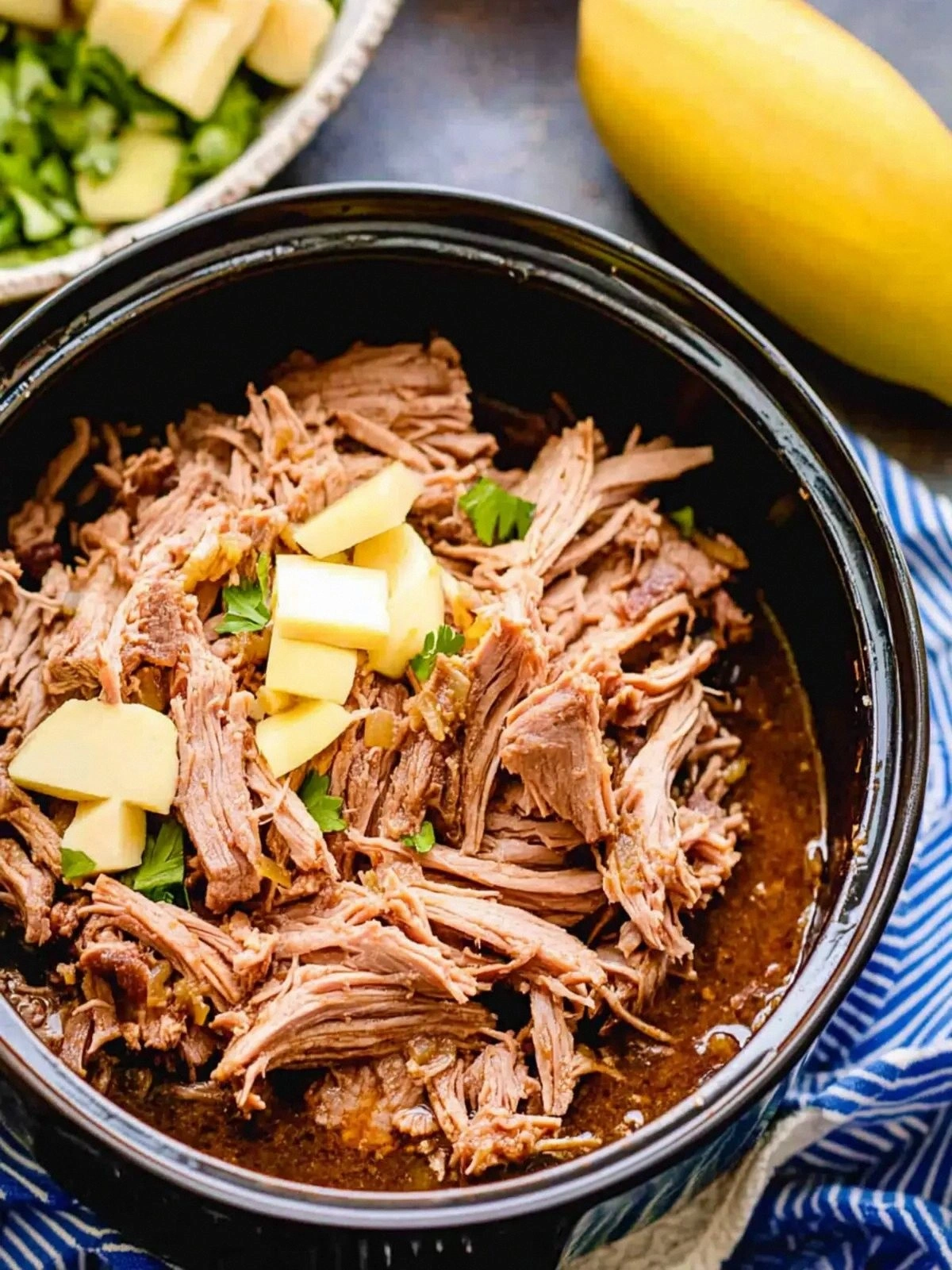
- Step 5: Shred the Pork. Once the pork is tender, transfer it to a large cutting board. Using two forks, shred the meat into long, silky strands. The shredded pork should fall apart easily, and the juices will be thick and flavorful.
- Step 6: Simmer the Shreds. Return the shredded pork to the slow cooker, stirring to combine with the juices. Let it simmer on low for an additional 20–30 minutes, allowing the flavors to meld and the pork to absorb the smoky liquid smoke.
- Step 7: Finish with a Quick Sear. For a final touch, heat a skillet again and toss the shredded pork for 1–2 minutes. This step re‑crispes the edges, giving the dish a delightful contrast between silky interior and slightly charred exterior.
- Step 8: Plate and Serve. Serve the Kalua pork over steamed rice, in soft tacos, or atop a bed of sautéed greens. Garnish with sliced green onions or a squeeze of fresh lime for a bright finish.
- Step 9: Store or Reheat. If you have leftovers, let the pork cool completely before refrigerating or freezing. When reheating, add a splash of water to keep the meat moist and let it steam for a few minutes.
That’s it — you did it. But hold on, I’ve got a few more tricks that will take this to another level...
Insider Tricks for Flawless Results
The Temperature Rule Nobody Follows
Many people think that slow cookers are foolproof, but the temperature setting can dramatically affect the final texture. If you set your slow cooker to low, the pork will become incredibly tender, but it might lose some of that smoky char. Switching to high for the first hour and then back to low for the remainder balances tenderness with flavor. I’ve tested this on multiple models, and the high‑first approach consistently yields a more robust flavor profile.
Why Your Nose Knows Best
When you’re halfway through cooking, pause and sniff the slow cooker. The aroma should be rich, smoky, and slightly sweet. If it smells more like raw pork, you’re not cooking long enough. Trust your nose; it’s a reliable indicator of flavor development. A strong, savory scent signals that the pork is absorbing the liquid smoke and aromatics fully.
The 5‑Minute Rest That Changes Everything
After you finish cooking, let the pork rest for 5 minutes before shredding. This short rest allows the juices to redistribute, keeping the meat moist and preventing it from drying out when you shred. A friend once tried skipping this step, and the result was a dry, stringy roast that needed a lot of liquid to rehydrate. Resting is simple, but it makes a world of difference.
Use a Silicone Mat When Searing
When searing the pork before slow cooking, a silicone mat keeps the pan clean and prevents sticking. It also helps maintain even heat distribution, ensuring the pork gets a uniform crust. I’ve found that a mat reduces the need to add extra oil, which keeps the dish from becoming overly greasy.
Keep the Lid Closed
Opening the slow cooker lid can cause heat loss and extend cooking time by up to 30 minutes. If you need to check on the pork, use the built‑in thermometer or a quick peek through the glass. Keeping the lid sealed ensures consistent heat and a more reliable result.
Shred in Batches for Evenness
When shredding the pork, work in small batches. This allows you to maintain control over the texture and ensures each piece is shredded uniformly. Overcrowding the cutting board can make shredding messy and uneven. A friend once tried shredding the entire roast at once and ended up with a lumpy mess that didn’t absorb the sauce well.
Reheat with Steam
Reheating leftover Kalua pork is easiest when you steam it. Add a splash of water, cover, and let it heat for 5–7 minutes. The steam keeps the pork moist and prevents it from drying out. This method preserves the silky texture you’ll find in the freshly cooked version.
Creative Twists and Variations
This recipe is a playground. Here are some of my favorite ways to switch things up:
Teriyaki Twist
Swap the hickory liquid smoke for a splash of soy sauce and mirin, and add a pinch of sesame oil. The result is a sweet, umami‑rich pork that pairs wonderfully with steamed rice and sautéed bok choy. It’s a great way to give a Japanese flair to the classic Kalua base.
Chipotle Heat
Add a tablespoon of chipotle in adobo sauce to the seasoning mix for a smoky, spicy kick. The chipotle’s deep heat complements the pork’s natural sweetness, creating a flavor profile that’s both bold and comforting. This version is perfect for those who love a little heat in their meals.
Apple Cider Reduction
After shredding, simmer the pork with a splash of apple cider and a few cinnamon sticks. The apple cider adds a subtle fruitiness that balances the smoky flavor, while the cinnamon provides a warm, aromatic note. Serve it over quinoa for a hearty, wholesome dish.
BBQ Fusion
Mix in your favorite BBQ sauce with the liquid smoke for a tangy, caramelized finish. The BBQ sauce adds a sweet, smoky glaze that coats the pork beautifully. This version is ideal for a backyard grill‑inspired meal without the need for a grill.
Herb‑Infused Variation
Add a handful of fresh rosemary and thyme leaves to the slow cooker during the last hour of cooking. The herbs infuse the pork with a fragrant, earthy aroma that pairs well with roasted root vegetables. This twist brings a Mediterranean feel to the dish.
Vegan Take
For a plant‑based version, replace the pork with seared tempeh or tofu, and use vegetable broth instead of pork juices. The hickory liquid smoke still imparts that smoky depth, while the tempeh absorbs the flavors beautifully. This vegan Kalua is surprisingly hearty and satisfying.
Breakfast Breakfast
Serve the shredded pork with a side of fluffy pancakes and a drizzle of maple syrup for a sweet‑savory breakfast. The smoky pork adds a savory counterpoint to the sweet pancakes, creating a unique breakfast experience. It’s a fun twist for brunch gatherings.
Storing and Bringing It Back to Life
Fridge Storage
Cool the pork completely before transferring it to an airtight container. Store it in the refrigerator for up to five days. The slow cooker juices help keep the meat moist, but adding a splash of water before reheating can restore any lost moisture.
Freezer Friendly
Freeze the pork in freezer‑safe bags or containers for up to three months. When you’re ready to enjoy it, thaw it overnight in the fridge. Reheat with a splash of water or broth to maintain the silky texture. Freezing preserves the smoky flavor, so you’ll still get that authentic taste.
Best Reheating Method
The ideal reheating technique is to steam the pork. Place it in a steamer basket or a heat‑proof bowl, add a splash of water, cover, and heat on low for 5–7 minutes. This method keeps the pork moist and prevents it from drying out. The steam also helps the pork re‑absorb the smoky juices, bringing back that melt‑in‑your‑mouth texture.
Now that you have the full playbook, you can confidently tackle this dish anytime. Whether you’re a seasoned cook or a kitchen newbie, this recipe will elevate your meal game.
Remember, the secret isn’t just in the ingredients but in the patience and love you pour into each step. The slow cooker does the heavy lifting, but your attention to detail makes all the difference. I’ve spent countless evenings experimenting, tweaking, and perfecting this recipe, and I’m thrilled to share it with you.
Next time you’re looking to impress, pull out this recipe and let the aroma of hickory smoke fill your kitchen. It’s a dish that’s as comforting as a warm hug and as bold as a midnight adventure. Get ready to taste a piece of Hawaiian paradise, all from the comfort of your own home.
Happy cooking, and may your pork always be tender, smoky, and unforgettable!