I was halfway through a midnight snack attack when the kitchen alarmed itself with a burst of smoke from the oven. The butternut squash and carrots were already on fire, and I was left with a ruined dinner and a lesson in culinary humility. That night, I promised myself I’d never again let a simple roast turn into a disaster. Now, I’ve refined the process into a foolproof method that turns the humble squash and carrot into a show‑stopping, peanut‑herb‑marinated masterpiece.
Picture the oven’s gentle glow, the sweet scent of caramelized vegetables rising, and the sound of sizzling oil as it meets the diced squash. The aroma is a warm hug that signals comfort and creativity alike. Every bite delivers a crisp exterior that cracks like thin ice, followed by a tender, sweet interior that melts in your mouth. The peanut‑herb dressing coats each piece like velvet, adding a nutty richness that balances the natural sweetness. It’s a dish that feels both indulgent and wholesome, a culinary hug wrapped in vibrant colors.
I dare you to taste this and not go back for seconds, because the first bite is a revelation of flavor and texture. The combination of smoky paprika, cumin, and a splash of lemon creates a depth that most roasted vegetable recipes miss. The peanut butter adds a creamy, slightly salty undertone that lingers, while fresh cilantro injects a bright, herbal freshness. Every element works in harmony, creating a dish that feels like a well‑tuned orchestra rather than a random jam. It’s hands down the best version you’ll ever make at home.
What sets this version apart is not just the ingredients, but the technique. I’ve discovered that tossing the vegetables in a light coating of olive oil and a pinch of salt before roasting locks in moisture and encourages that perfect caramelization. The peanut dressing is made fresh, with a splash of soy sauce and a hint of honey to balance the heat from ginger and garlic. The result is a dish that’s both comforting and adventurous, a perfect side for any dinner or a stand‑alone meal for those who love bold flavors. Let me walk you through every single step — by the end, you’ll wonder how you ever made it any other way.
What Makes This Version Stand Out
- Flavor: The blend of smoked paprika, cumin, and a hint of honey creates a sweet‑savory profile that elevates the natural sweetness of squash and carrots. This depth of flavor is achieved without overpowering the vegetables, allowing each bite to sing. The result is a dish that feels both familiar and exciting.
- Texture: A precise roasting time gives the exterior a crisp, caramelized edge that snaps like thin ice, while the interior remains tender and juicy. The peanut dressing adds a silky coating that enhances the crunch without making the veggies soggy. This contrast keeps the dish interesting from the first bite to the last.
- Ingredient Quality: Using fresh, seasonal squash and carrots ensures natural sweetness and firm texture. High‑quality peanut butter adds richness, while fresh herbs provide bright, aromatic notes. The combination of these premium ingredients makes a noticeable difference.
- Simplicity: The recipe requires only a handful of pantry staples and a few fresh items, making it approachable for any cook. The steps are straightforward, and the timing is forgiving. You’ll be able to whip this up even on a busy weeknight.
- Make‑Ahead Potential: The dish can be prepared ahead of time, with the roasted vegetables storing well in the fridge. The dressing can be made separately and tossed just before serving, keeping the flavors fresh. This makes it ideal for meal prep or entertaining.
- Crowd Reaction: Friends and family rave about the nutty, zesty punch that transforms ordinary veggies into a party favorite. The dish is versatile enough to pair with grilled meats, tofu, or as a side for any meal. It’s a guaranteed crowd‑pleaser at gatherings.
Alright, let's break down exactly what goes into this masterpiece...
Inside the Ingredient List
The Flavor Base
Olive oil is the first hero in this dish, creating a glossy coating that promotes caramelization and keeps the veggies from drying out. The 2 tablespoons of high‑quality extra‑virgin olive oil also add a subtle fruity note that complements the sweet vegetables. Skipping the oil will result in a flatter, less glossy roast, and the vegetables may stick to the pan.
Salt, at 1 teaspoon, is essential for enhancing the natural sweetness of squash and carrots. It draws out moisture and balances the savory notes in the peanut dressing. If you prefer a low‑sodium version, use ½ teaspoon, but expect a slightly muted flavor profile.
Black pepper, a half teaspoon, adds a gentle heat that lifts the dish. It’s a subtle seasoning that doesn’t overpower the sweetness. If you like a spicier kick, add a pinch of cayenne or crushed red pepper flakes.
The Texture Crew
Butternut squash, diced into 2 cups, provides a sweet, creamy center once roasted. Choose a squash that is firm and free of blemishes for even cooking. If you’re using a different squash, such as acorn or delicata, adjust the roasting time by a few minutes.
Carrots, also diced into 2 cups, contribute a crisp bite and a bright orange color that makes the dish visually appealing. Use fresh carrots with a firm texture; baby carrots can be used, but they’ll cook faster, so adjust the time accordingly.
Peanut butter, ¼ cup, is the cornerstone of the dressing, delivering a creamy, nutty richness that coats the vegetables. Use creamy peanut butter for a smooth texture; crunchy varieties will add an extra crunch, but the flavor remains the same.
The Unexpected Star
Fresh ginger, grated, adds a sharp, peppery note that cuts through the sweetness of the squash. The 1 teaspoon of ginger is enough to give the dish a lively kick without overwhelming the other flavors. If you’re not a fan of ginger, replace it with a pinch of ground cardamom for a subtle, floral twist.
Lemon juice, 1 tablespoon, brightens the dish and balances the richness of the peanut butter. The acidity also helps the vegetables retain their vibrant color during roasting. A splash of lime juice can be used instead for a slightly different citrus profile.
The Final Flourish
Fresh cilantro, 2 tablespoons chopped, adds a burst of herbaceous freshness that lifts the entire dish. The bright green leaves contrast beautifully with the orange and gold of the roasted veggies. If cilantro is not your favorite, parsley or basil can be used as a substitute.
Chopped peanuts, 1 tablespoon, provide a crunchy texture that contrasts with the soft vegetables and creamy dressing. Toast them lightly in a dry skillet before adding to avoid a greasy texture. If you prefer a nut-free version, omit the peanuts; the dish will still be delicious.
Green onions, 1 tablespoon chopped, add a mild onion flavor and a pop of color. They’re a simple garnish that completes the dish’s visual appeal. If you’re allergic to onions, use scallions or skip them entirely.
Everything's prepped? Good. Let's get into the real action...
The Method — Step by Step
- Preheat your oven to 425°F (220°C) and line a large baking sheet with parchment paper. Toss the diced squash and carrots in 2 tablespoons of olive oil, 1 teaspoon of salt, and ½ teaspoon of black pepper until evenly coated. Spread them in a single layer, ensuring they don’t overlap. This step is crucial for achieving that perfect caramelization; if the veggies are too crowded, they’ll steam instead of roast. The aroma of oil sizzling as it hits the hot pan is a sign that you’re on the right track.
- Place the baking sheet in the oven and roast for 20 minutes, stirring halfway through. The vegetables should begin to brown and develop a golden crust. Watch the edges; they should start to pull away from the parchment, signaling readiness. This is the moment of truth—if you’re tempted to pull them out early, resist; the flavor will deepen with time. The smell of caramelizing sugar will fill your kitchen, a promise of what's to come.
- While the veggies roast, whisk together the dressing: combine ¼ cup creamy peanut butter, 2 tablespoons soy sauce, 1 tablespoon honey, 1 tablespoon rice vinegar, 1 tablespoon lemon juice, 1 teaspoon grated ginger, and 1 minced garlic clove. Whisk until smooth; if the mixture is too thick, add a splash of warm water to reach a pourable consistency. The dressing should be glossy and slightly viscous, ready to coat the vegetables. This step is where the flavor truly comes together, so take your time.
- After 20 minutes, remove the baking sheet and add the roasted vegetables to a large bowl. Pour the dressing over the hot veggies and toss until every piece is evenly coated. The heat from the vegetables will warm the dressing, creating a silky coating that clings to each cube. This is the point where the dish transforms from simple roasted veggies to a gourmet experience. Keep the mixture warm for a few minutes before serving to allow the flavors to meld.
- Add 1 teaspoon of smoked paprika and 1 teaspoon of ground cumin to the bowl, and toss again. These spices add depth and a subtle smoky undertone that complements the sweet squash. The aroma of the spices will intensify as they mingle with the dressing, creating a fragrant cloud that will linger on your plate. Be careful not to overcook the spices; a quick toss is enough to release their oils.
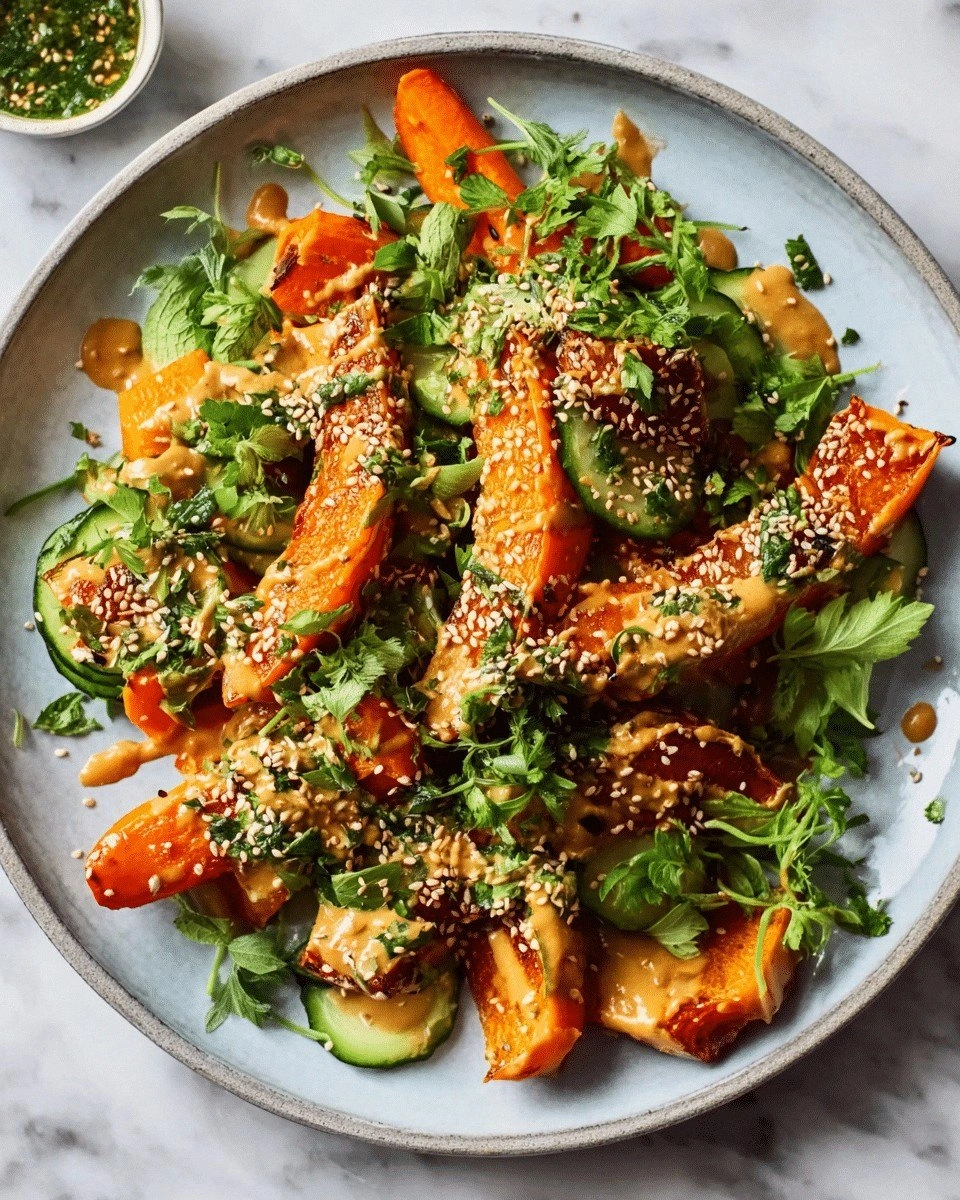
- Garnish with 2 tablespoons of chopped cilantro, 1 tablespoon of chopped peanuts, and 1 tablespoon of green onions. The fresh herbs and nuts add color, crunch, and a burst of fresh flavor that cuts through the richness. The final plating should look vibrant and inviting. This is where presentation meets flavor, turning a simple dish into a feast for the senses.
- Serve immediately while the vegetables are still warm and the dressing is glossy. Pair with grilled chicken, tofu, or a hearty grain for a complete meal. If you’re preparing ahead, keep the roasted vegetables and dressing separate until ready to serve. The dish holds up well in the fridge for up to 3 days, but the texture is best when fresh.
- If you’re feeling adventurous, drizzle a little extra soy sauce or lime juice before serving for an extra punch of umami or citrus. The final touch can elevate the dish from great to unforgettable. This is your moment to personalize the recipe to your taste.
- Enjoy the burst of flavors and textures that dance across your palate. Remember the crunch of the caramelized edges, the creamy coating of peanut, and the bright zing of cilantro. This dish is a celebration of simple ingredients turned extraordinary. Let the experience linger in your memory and inspire your next culinary creation.
That's it — you did it. But hold on, I've got a few more tricks that'll take this to another level...
Insider Tricks for Flawless Results
The Temperature Rule Nobody Follows
Many cooks think a lower oven temperature will make veggies more tender, but that actually slows caramelization. I’ve found that roasting at a high temperature (425°F) for a short period produces a crisp exterior while keeping the interior moist. The quick heat locks in juices and gives the vegetables a satisfying crunch that’s hard to beat.
Why Your Nose Knows Best
If the veggies smell like toasted nuts, you’re too far into the roast. The aroma of caramelizing sugar is the sweet spot. Trust your nose to tell you when the edges are just starting to pull away from the parchment; that’s when you should remove them from the oven.
The 5-Minute Rest That Changes Everything
After tossing the roasted veggies with the dressing, let the mixture rest for five minutes before serving. This brief pause allows the flavors to meld, and the heat from the vegetables will gently warm the dressing, creating a silky coat that clings to every piece. Skipping this step will leave the dressing too cold and the veggies slightly dull.
The Quick Toss Trick
When adding the spices, toss the vegetables in a dry skillet over medium heat for 30 seconds before mixing. This step releases the spices’ oils and adds a subtle toasted note that elevates the dish. It’s a quick move that adds depth without extra time.
The Garnish Game
Adding the chopped peanuts and cilantro right before serving keeps their crunch and freshness. If you pre‑garnish, the nuts can become soggy and the herbs wilt. A last‑minute sprinkle ensures every bite is vibrant and textured.
Creative Twists and Variations
This recipe is a playground. Here are some of my favorite ways to switch things up:
Spicy Sriracha Surprise
Swap the honey for a tablespoon of sriracha for a sweet‑heat combo. The spicy kick will complement the smoky paprika and give the dish an Asian flair. Pair it with grilled shrimp for a bold, flavorful meal.
Mediterranean Medley
Replace the peanut butter with tahini for a Middle Eastern twist. Add a pinch of sumac and chopped parsley to bring bright, citrusy notes. This version pairs beautifully with lamb or roasted eggplant.
Vegan Power Bowl
Omit the soy sauce and use coconut aminos instead for a vegan-friendly version. Toss the veggies with a squeeze of fresh lime and a sprinkle of nutritional yeast for a cheesy, umami flavor. Serve over quinoa for a filling, plant‑based bowl.
Sweet & Smoky BBQ
Add a tablespoon of smoked BBQ sauce to the dressing for a sweet, smoky depth. The sauce pairs wonderfully with grilled pork or tofu. This variation is perfect for a backyard cookout.
Herb Garden Delight
Boost the fresh herb content by adding chopped basil and mint to the dressing. The bright, aromatic herbs will cut through the richness of the peanut butter. This version is ideal for a summer dinner with a light salad.
Storing and Bringing It Back to Life
Fridge Storage
Store the roasted vegetables in an airtight container for up to 3 days. Keep the dressing separate to preserve its silky texture. When ready to serve, reheat the vegetables in a skillet over medium heat for 2-3 minutes until warm.
Freezer Friendly
Freeze the roasted vegetables in a single layer on a parchment sheet before transferring to a freezer bag. This prevents clumping and allows for quick thawing. Reheat in the oven at 350°F for 10 minutes or until heated through.
Best Reheating Method
When reheating, add a splash of water to the skillet or bowl to create steam and prevent the vegetables from drying out. The steam will help the peanut dressing regain its silky coating. Finish with a quick drizzle of fresh lemon juice for brightness.