Love this? Pin it for later! 📌
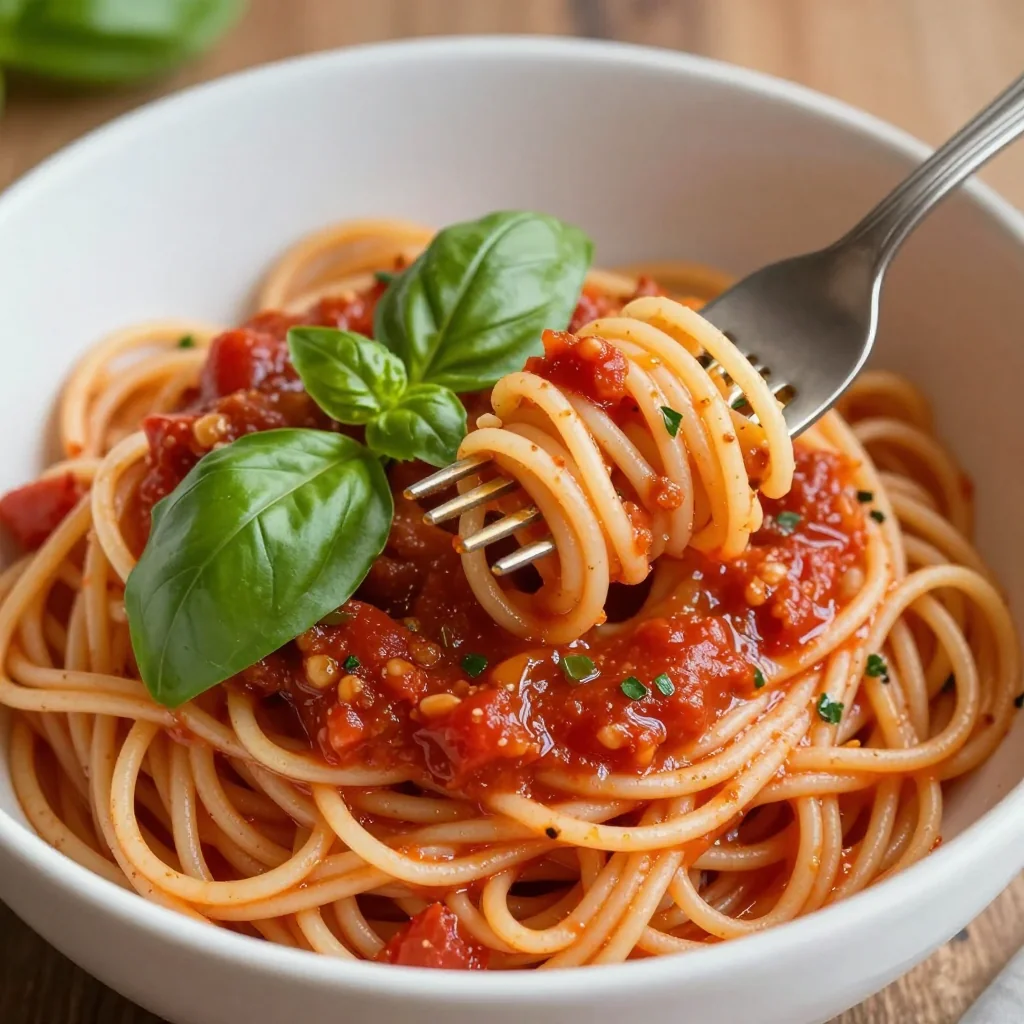
There’s a certain magic that happens when you open your pantry door at 6:47 p.m., stomach growling, groceries running low, and still manage to pull together a bowl of pasta so vibrant and comforting it feels like a hug from the inside out. I call it my “Wednesday Night Miracle,” but you might simply call it dinner. This Pantry Pasta with Canned Tomatoes and Fresh Basil was born on one of those nothing-in-the-fridge evenings when the only fresh produce left was a sad-looking basil plant on the windowsill and a half-empty box of spaghetti. Twenty-five minutes later, my husband took one bite and said, “Please tell me you wrote this down.”
Since then, it’s become the recipe my sister texts me for at least once a month (“the one with the tomato-y broth, pleeease”), the dish I bring to new-parent friends because it reheats like a dream, and the supper I serve when I want to impress guests without leaving the house for specialty ingredients. If you can boil water and open a can, you can master this meal. More importantly, it’s the kind of recipe that reminds us great food doesn’t require a shopping spree—just a little technique, a hot pan, and the willingness to treat humble ingredients with respect.
Why This Recipe Works
- One-Pot Wonder: The pasta cooks directly in the tomato broth, releasing starch that naturally thickens the sauce—no colander required.
- Flavor Layering: We bloom the tomato paste, toast the garlic, and finish with both basil stems and leaves for depth and brightness.
- Pantry-Friendly: Every ingredient has a long shelf life except the basil, and even that can be swapped for spinach or omitted in a pinch.
- Weeknight Speed: From cold pantry to hot bowl in under 30 minutes—faster than delivery.
- Endlessly Adaptable: Add chickpeas for protein, chili flakes for heat, or a glug of cream for richness.
- Restaurant Gloss: A final pat of butter and shower of fresh basil give the sauce a silky, glossy finish that tastes upscale.
Ingredients You'll Need
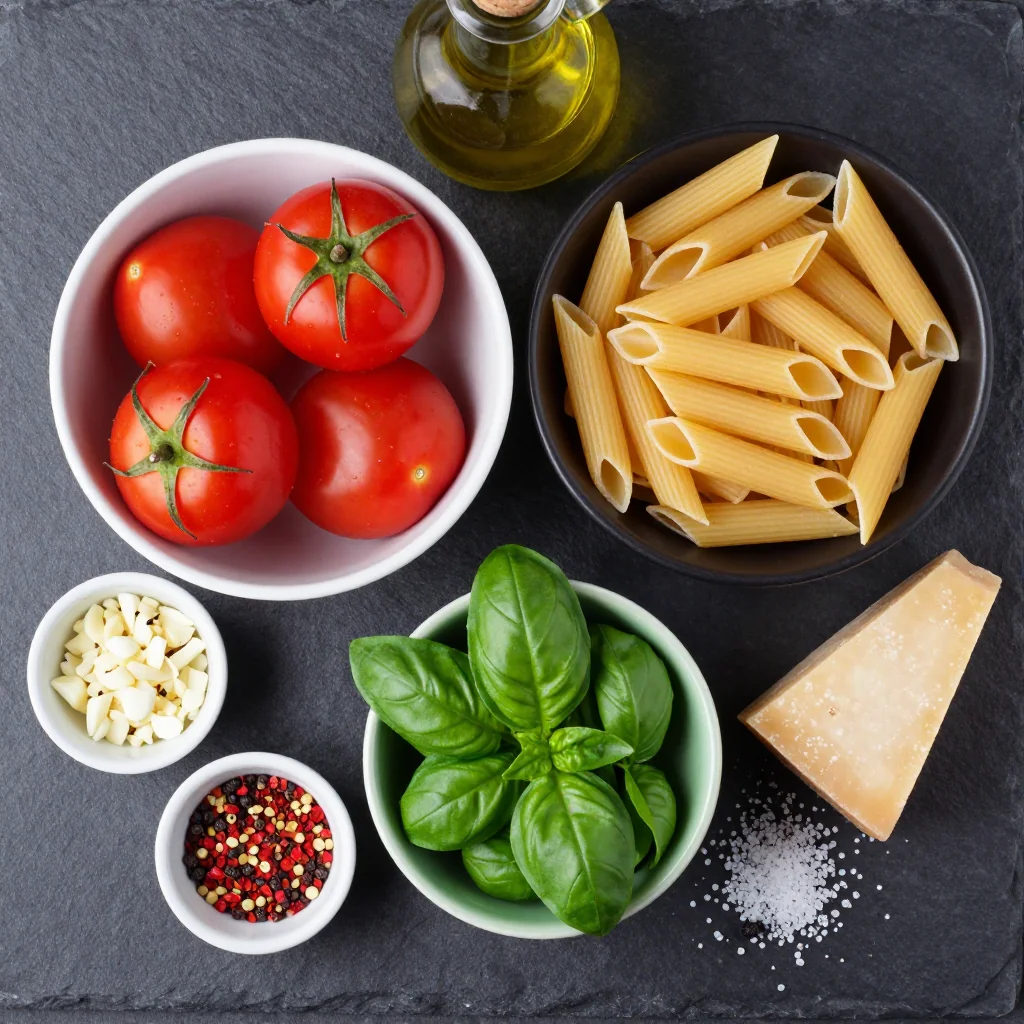
Before we dive into technique, let’s talk ingredients—because even pantry recipes deserve a little discernment.
Spaghetti or Linguine: Long strands capture the light tomato broth beautifully. I keep a 1-lb box of bronze-cut spaghetti in the cupboard; the rough surface grips sauce better than Teflon-smooth brands. Gluten-free? Use your favorite rice-based pasta and reduce the initial liquid by ¼ cup.
Canned Whole Tomatoes: A 28-oz can of San Marzano–style tomatoes is gold here. They’re naturally sweeter and lower in acid. If you only have diced, that’s fine—just skip the crushing step and expect a slightly chunkier sauce.
Tomato Paste in a Tube: Double-concentrated paste in a squeezable tube is one of my top five pantry heroes. It’s already reduced, so it delivers deep umami in seconds. Store the opened tube capped tight in the fridge door; it lasts months.
Extra-Virgin Olive Oil: You don’t need the $40 bottle—save that for finishing salads. A solid everyday oil with grassy notes works perfectly for sautéing and emulsifying the final sauce.
Garlic: Three fat cloves, smashed and sliced, not minced. Thin slices soften and almost melt into the oil, whereas minced bits can burn and turn bitter.
Red-Pepper Flakes: Optional but recommended. A pinch awakens the tomatoes’ natural sweetness without screaming “spicy!” If you’re cooking for kids, hold the flakes and pass them at the table.
Vegetable or Chicken Broth: I keep low-sodium bouillon cubes on hand so I can control salt. If you only have water, bump up the tomato paste by 1 tablespoon and add ½ teaspoon kosher salt.
Fresh Basil: The one non-negotiable fresh element. Look for bunches with perky, unbruised leaves and no black spots. If you must substitute, 1 teaspoon dried basil plus ½ cup baby spinach will give color, though you’ll lose that heady perfume.
Unsalted Butter: A modest 1 tablespoon swirled in at the end lends European-bistro silkiness. Vegans can substitute 1 tablespoon extra-virgin olive oil.
Parmesan Rind (optional): I freeze rinds for moments like this. Tossing one into the simmering pasta adds nutty depth. Fish it out before serving.
How to Make Pantry Pasta with Canned Tomatoes and Fresh Basil
Warm the Pan & Bloom the Paste
Place a heavy 12-inch sauté pan or shallow Dutch oven over medium heat. Add 2 tablespoons olive oil and the entire tube (about 2 tablespoons) of tomato paste. Stir continuously for 90 seconds until the paste darkens from bright red to brick—this caramelizes the sugars and removes any tinny canned taste.
Toast the Aromatics
Add sliced garlic, ½ teaspoon kosher salt, and a pinch of red-pepper flakes. Reduce heat to medium-low and cook 45 seconds—just until the garlic edges turn golden. Do not let it brown; bitter garlic is the fastest way to ruin a simple sauce.
Crush the Tomatoes
Pour in the canned tomatoes with their juice. Using kitchen shears or a potato masher, break them into rough ½-inch pieces right in the pan. If you love a smooth sauce, blitz the tomatoes in a blender first, but I enjoy the rustic texture.
Add Broth & Pasta
Stir in 2½ cups low-sodium broth and 2 cups water. Increase heat to high. Once the liquid is steaming, add 12 oz (¾ pound) spaghetti, pressing it down with the back of a spoon to submerge. Add a Parmesan rind if you have one.
Simmer, Stir, Sing
Reduce heat to a lively simmer and set a timer for 10 minutes. Stir every 2 minutes, rotating the pasta so nothing sticks. The liquid will thicken into a glossy sauce that just coats the noodles. If the pan looks dry before the pasta is al dente, add ½ cup hot water.
Finish with Basil & Butter
Remove from heat, discard the Parmesan rind, and stir in 1 tablespoon butter and half the basil leaves (torn if large). Taste and adjust salt; canned tomatoes vary widely. The sauce should be loose but not soupy—it will tighten as it cools.
Serve Immediately
Twirl into shallow bowls, top with remaining fresh basil, and shower with grated Parmesan. Pass extra chili flakes and a tiny pitcher of olive oil for those who crave richness.
Expert Tips
Use Starchy Liquid
If your sauce feels thin, sprinkle in 1 teaspoon all-purpose flour mixed with 2 tablespoons of the hot tomato liquid, then simmer 1 minute for body without cloudiness.
Make It a One-Pan Meal
Nestle 4 oz fresh spinach or a drained 15-oz can of chickpeas into the simmering pasta during the last 3 minutes for greens or protein.
Freeze Tomato Paste
Leftover paste? Portion into 1-tablespoon dollops on parchment, freeze, then store in a zip bag. Drop frozen paste straight into the hot oil.
Brighten at the End
A squeeze of lemon or a splash of balsamic right before serving heightens the tomato flavor without tasting overtly acidic.
Double Batch Tricks
Scaling up? Use a wider pan so the pasta still submerges, or break spaghetti in half. Stir more frequently—starch increases exponentially.
Salt Later, Not Sooner
Canned tomatoes and broth vary in sodium. Taste the finished pasta first; you can always stir in ¼ teaspoon salt, but you can’t take it out.
Variations to Try
- Creamy Rosé Version: Stir in ⅓ cup heavy cream and ½ teaspoon lemon zest with the butter for a blush-colored sauce reminiscent of penne alla vodka.
- Tuna & Olive: Fold in a 5-oz can of oil-packed tuna and ¼ cup chopped kalamata olives during the last 2 minutes for a Provençal vibe.
- Spicy Arrabbiata: Double the red-pepper flakes and finish with ¼ cup chopped parsley instead of basil for fiery simplicity.
- Green Garden: Swap basil for 1 cup chopped arugula and ½ cup peas; the peppery greens wilt instantly and keep things springtime-bright.
- Cheesy Bake: Transfer the finished pasta to a buttered 8-inch baking dish, top with 1 cup shredded mozzarella, and broil 3 minutes until bubbly.
Storage Tips
Refrigerate: Cool completely, then store in an airtight container up to 4 days. The pasta will absorb sauce, so revive it with a splash of broth or water when reheating.
Freeze: Portion into freezer-safe zip bags, press out excess air, and freeze up to 2 months. Thaw overnight in the fridge, then warm gently with a little liquid.
Reheat: Microwave at 70% power, stirring every 45 seconds, or warm in a covered skillet with 2 tablespoons liquid over medium-low heat until steaming.
Make-Ahead for Entertaining: Prepare the sauce through step 3 up to 3 days ahead. When guests arrive, bring sauce to a simmer, add dried pasta, and proceed with step 5—fresh-cooked aroma without the mess.
Frequently Asked Questions
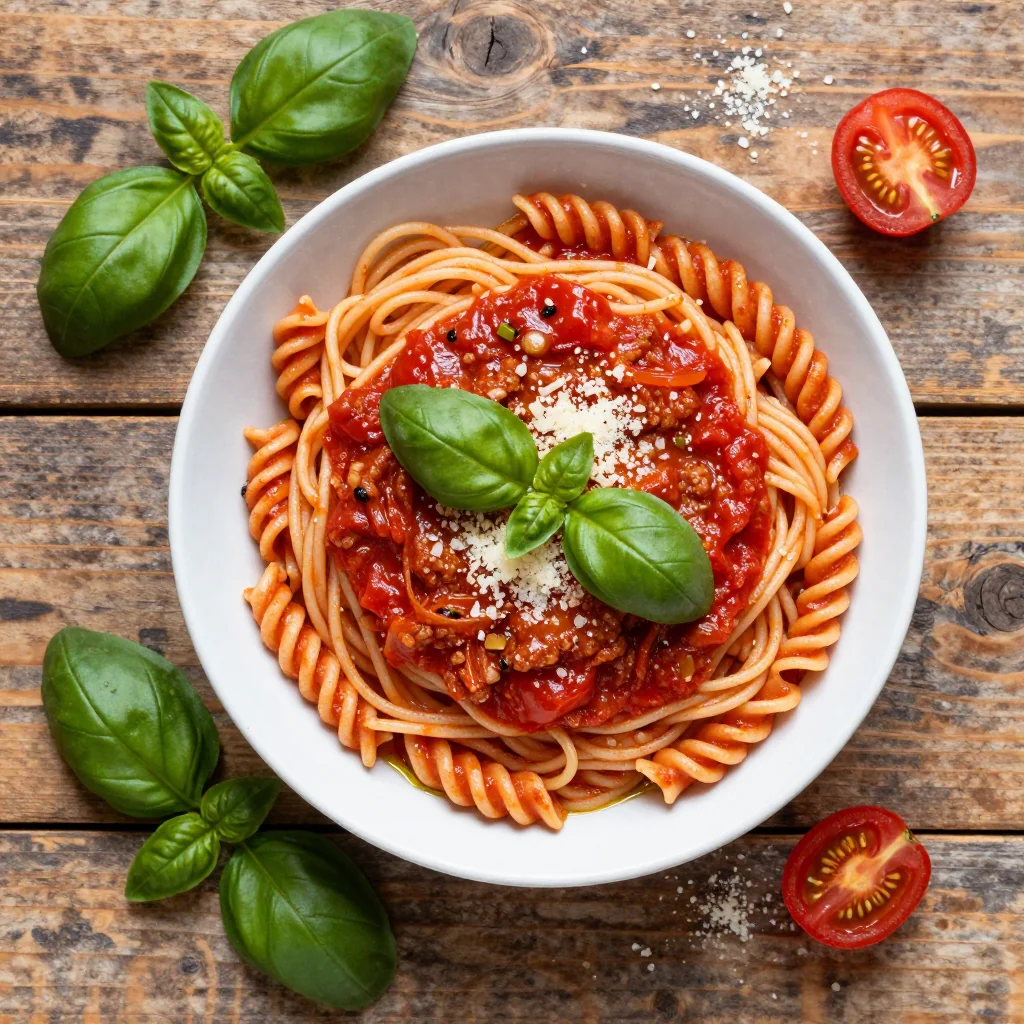
Pantry Pasta with Canned Tomatoes and Fresh Basil
Ingredients
Instructions
- Heat the oil & tomato paste: In a 12-inch sauté pan, warm olive oil and tomato paste over medium heat, stirring, until paste darkens, 1–2 minutes.
- Add aromatics: Stir in garlic, salt, and pepper flakes; cook 45 seconds until fragrant.
- Crush tomatoes: Add canned tomatoes with juice; crush into bite-size pieces using kitchen shears.
- Simmer pasta: Pour in broth and water; bring to a simmer. Add pasta and Parmesan rind. Cook 10 minutes, stirring every 2 minutes, until pasta is al dente and sauce thickens.
- Finish: Remove from heat; discard rind. Stir in butter and half the basil. Taste and season.
- Serve: Divide among bowls, top with remaining basil, Parmesan, and black pepper.
Recipe Notes
Sauce continues to thicken as it sits; add a splash of water when reheating. For extra protein, stir in a can of drained chickpeas during the last 3 minutes of cooking.