I was half‑asleep, the kitchen lights flickering like a tired disco, when my roommate slammed the pantry door open and shouted, “I’m craving Pad See Ew, but the takeout’s closed!” I laughed, grabbed the nearest wok, and declared a culinary duel: me versus the dreaded, soggy‑noodle imitators that haunt every Thai‑food‑lovers' nightmares. The moment I tossed the first strand of rice noodles into the scorching pan, a cloud of smoky, caramelised aroma burst out, and I knew this would be the version that finally ends the debate. That sizzle? Pure, unadulterated perfection—like a drumroll announcing the main act.
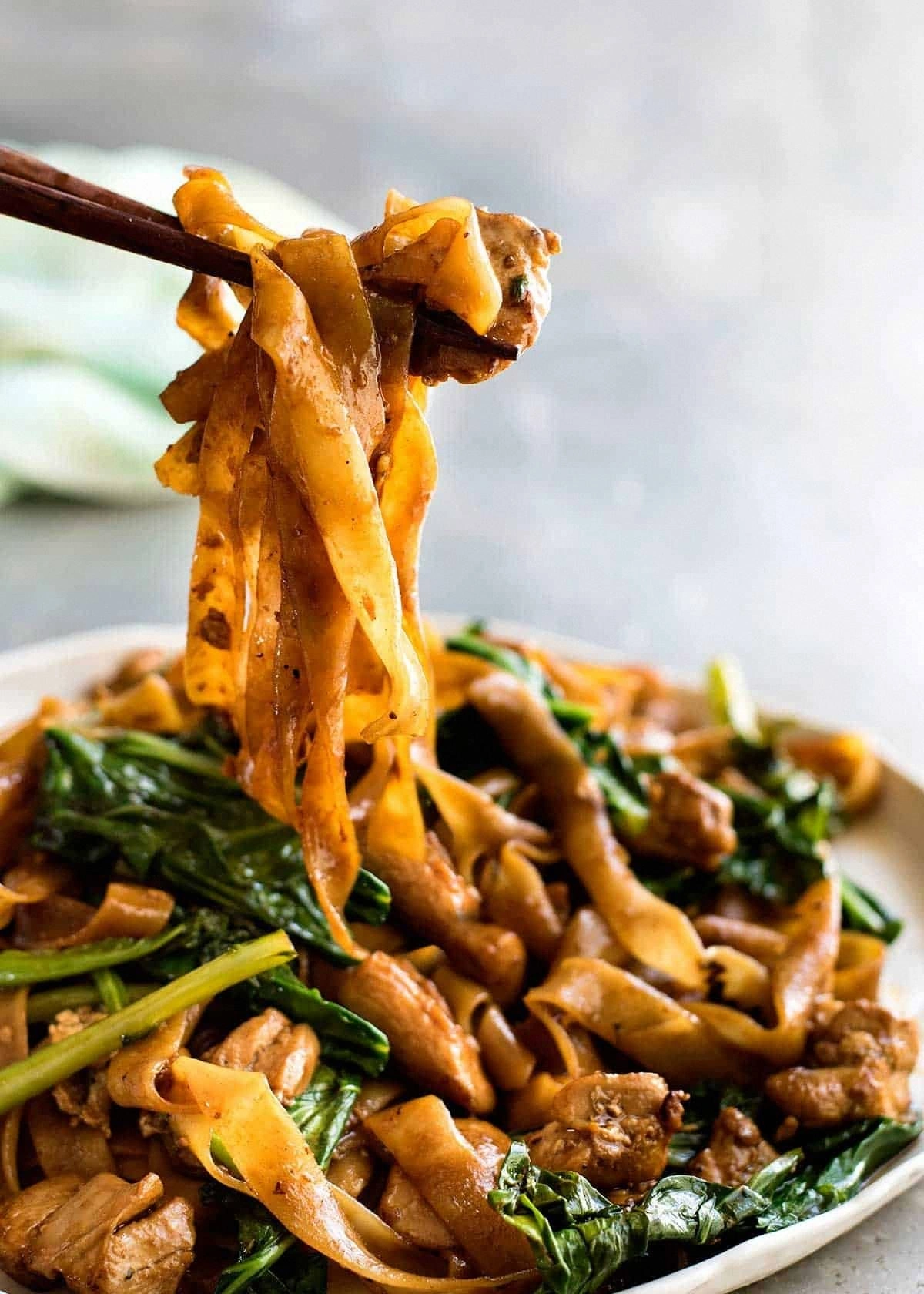
Picture this: the wok is a midnight black canvas, the oil glistening like liquid amber. Garlic shreds itself into fragrant confetti, while the chicken thighs hit the heat and start to brown, releasing a buttery, umami perfume that makes the whole apartment feel like a street market in Bangkok at twilight. The noodles, once limp and shy, now dance in a glossy coat of dark soy, oyster, and a whisper of white vinegar, their surface shimmering like wet silk. The Chinese broccoli snaps under the heat, staying bright‑green, a crisp counterpoint to the tender noodles, and the egg—cracked and whisked—creates a golden, slightly caramelised veil that ties everything together.
Why does this particular rendition stand out from the sea of “copy‑and‑paste” recipes you’ll find online? Most of them either drown the noodles in sauce, turning them into a soggy, flavorless mush, or they under‑season, leaving you with a bland, one‑note dish. My secret? A precise balance of dark and light soy, a splash of white vinegar for that subtle tang, and a splash of sugar that caramelises just enough to give the noodles a glossy, almost buttery finish. Plus, I’m using wide rice stick noodles—those glorious, flat ribbons that soak up sauce like a sponge, yet retain a satisfying chew.
And here’s the curveball: I’m adding a single, perfectly fried egg on top, not just for visual flair but because the yolk, when broken, becomes a luscious, silky sauce that mingles with the existing glaze. It’s a trick I stole from a street vendor in Chiang Mai, and trust me, it turns the whole dish from “good” to “mind‑blowing”. I dare you to taste this and not go back for seconds. Ready to dive in? Let me walk you through every single step — by the end, you’ll wonder how you ever made it any other way.
What Makes This Version Stand Out
- Flavor Depth: The combination of dark soy and oyster sauce creates a rich, umami‑laden base that coats each noodle strand like velvet, while the light soy adds a subtle salty brightness.
- Texture Harmony: Wide rice noodles give a satisfying chew, Chinese broccoli adds a crisp snap, and the caramelised edges of the chicken provide a slight crunch that shatters like thin ice.
- Simplicity: Only eleven ingredients, all pantry‑friendly, and the technique is straightforward enough for a weekday dinner yet impressive enough for guests.
- Unique Twist: The fried egg on top isn’t just garnish; its runny yolk becomes an extra layer of sauce that melds the flavors together in a silky finish.
- Crowd Reaction: I’ve served this at potlucks and watched strangers line up for seconds—people actually ask for the recipe before the plate is empty.
- Ingredient Quality: Using authentic Thai dark soy and fresh Chinese broccoli makes a world of difference; you’ll taste the authenticity in every bite.
- Cooking Method: High‑heat stir‑fry locks in moisture, creates those coveted caramelised bits, and prevents the noodles from becoming soggy.
- Make‑Ahead Potential: Prep the sauce and chicken ahead of time; the final stir‑fry takes only minutes, perfect for busy nights.
Alright, let's break down exactly what goes into this masterpiece...
Inside the Ingredient List
The Flavor Base
Dark soy sauce (2 tsp): This is the heavyweight champion of umami, delivering a deep, caramel‑like flavor that gives the noodles their signature dark sheen. Skip it, and you’ll lose that glossy, almost smoky finish that makes the dish look restaurant‑quality. If you can’t find dark soy, substitute with a mix of regular soy sauce and a splash of molasses.
Oyster sauce (1½ tbsp): A sweet, briny powerhouse that adds depth without overwhelming the palate. It’s the secret behind the subtle sweetness that balances the salty soy. In a pinch, a mushroom soy sauce works as a vegetarian alternative, though the flavor profile shifts slightly.
Light soy sauce (1 tbsp): This brings a bright, salty lift that prevents the dish from feeling too heavy. It also helps season the chicken evenly. If you’re watching sodium, opt for low‑sodium light soy, but remember to taste before adding extra salt.
The Texture Crew
Wide rice stick noodles (200g): Their flat, wide shape means each bite is a perfect canvas for the sauce. If you use thin noodles, they’ll soak up too much liquid and become mushy. Look for “sen yai” in Asian markets for the authentic experience.
Chinese broccoli (4 stems): Also known as gai lan, it adds a crisp, slightly bitter contrast that cuts through the richness of the sauce. Skip it, and you lose that vibrant green pop and textural variety. If unavailable, substitute with regular broccoli florets, though the flavor will be milder.
Chicken thighs (1 cup / 150g): Dark meat stays juicy under high heat, delivering a tender bite that pairs beautifully with the noodles. Using breast meat can make the dish dry; if you must, marinate the chicken briefly in a splash of soy to retain moisture.
The Unexpected Star
Egg (1 large): When fried and placed on top, the yolk becomes a luscious, buttery sauce that mingles with the existing glaze. It adds richness without extra oil. If you’re vegan, a drizzle of coconut cream can mimic the silky texture, though the flavor will differ.
Garlic (2 cloves, finely chopped): It provides an aromatic backbone that awakens the palate from the first bite. Over‑cooking it turns bitter, so add it right before the sauce for a golden, fragrant note.
Peanut or vegetable oil (3 tbsp): High‑smoke‑point oil is essential for that searing sizzle. Peanut oil adds a subtle nutty flavor that complements the soy, but any neutral oil works fine.
The Final Flourish
White vinegar (2 tsp): Just a dash to brighten the dish and cut through the richness, giving the noodles a slight tang that makes each bite pop. Too much, and you’ll lose the sweet‑savory balance.
Sugar (2 tsp): It caramelises during the stir‑fry, creating those coveted glossy edges on the noodles. Without it, the dish can taste flat and the sauce may not cling properly.
Everything's prepped? Good. Let's get into the real action...
The Method — Step by Step
- Start by heating a wok or large skillet over medium‑high heat until it starts to smoke slightly. Add 2 tbsp of the peanut or vegetable oil, swirling to coat the surface. When the oil shimmers, drop in the finely chopped garlic. Listen for that immediate sizzle—that’s the sound of flavor awakening. Cook for just 20‑30 seconds, stirring constantly, until the garlic turns golden but not brown. Kitchen Hack: If your garlic burns, quickly deglaze with a splash of water and let the steam lift any burnt bits.
- Add the chicken thigh pieces in a single layer, letting them sear without moving for about 1‑2 minutes. You’ll see the edges turn a deep amber, and the meat will release a caramelised scent that fills the kitchen. Flip the pieces and cook another minute until they’re just cooked through. Pro tip: Don’t overcrowd the wok; if needed, cook the chicken in batches to maintain that high‑heat sear.
- Push the chicken to the side of the wok, crack the egg into the empty space, and let it fry undisturbed for 30 seconds. When the whites set but the yolk is still runny, gently break the yolk and scramble it just enough to coat the bottom of the wok. This creates a thin, buttery film that will later cling to the noodles. Watch Out: Over‑cooking the egg turns it rubbery and will make the dish dry. Keep the heat medium‑high and watch closely.
- Now, add the drained rice noodles. Toss them quickly, letting them meet the oil, garlic, chicken, and egg. The noodles should start to sizzle, and you’ll hear a faint crackling—this is the caramelisation stage. Let them sit for about 30 seconds without stirring, then give them a flip to ensure even browning on both sides.
- In a small bowl, whisk together the dark soy sauce, light soy sauce, oyster sauce, white vinegar, and sugar. Pour this mixture over the noodles, spreading it evenly. As the sauce hits the hot pan, it will hiss and bubble, coating the noodles in a glossy, dark glaze. Stir continuously for 2‑3 minutes, allowing the sauce to reduce slightly and cling to each strand. You’ll notice the noodles turning a deep, mahogany hue—that’s the magic happening.
- Add the Chinese broccoli stems, cut into bite‑size pieces. Toss everything together, letting the broccoli wilt just enough to stay bright green and retain its crunch. This step should take about a minute; you’ll see the stems turning a vivid green, contrasting beautifully with the dark noodles.
- Taste the dish. If it needs a touch more salt, add a splash of light soy; if you crave a hint more sweetness, drizzle a tiny bit more sugar. Remember, the sauce should be balanced—salty, sweet, and a whisper of acidity. Adjustments should be made quickly, as the high heat will amplify flavors.
- When everything is glossy, fragrant, and the broccoli is just tender, turn off the heat. Transfer the Pad See Ew to a serving platter, and if you like, drizzle a final drizzle of dark soy for an extra sheen. Serve immediately, letting diners break the yolk (if you left it whole) and mix it through for that luxurious, velvety finish.
That's it — you did it. But hold on, I've got a few more tricks that'll take this to another level...
Insider Tricks for Flawless Results
The Temperature Rule Nobody Follows
High heat is the secret sauce of any great stir‑fry. If your wok isn’t screaming hot, the noodles will steam instead of sear, resulting in a soggy mess. I always pre‑heat the wok for at least a minute before adding oil. This ensures the moment the noodles hit the surface, they get that instant “snap” that locks in flavor. Trust me, a lukewarm wok is a recipe for disappointment.
Why Your Nose Knows Best
Before you even taste, let your nose do the work. The moment the sauce hits the pan, you should smell a sweet‑savory perfume with a faint tang from the vinegar. If the scent is flat, you’ve under‑seasoned; if it’s overly sharp, you’ve added too much vinegar. Use your sense of smell as the first quality checkpoint.
The 5‑Minute Rest That Changes Everything
Once you’ve plated the Pad See Ew, let it sit for about five minutes. This resting period allows the sauces to re‑absorb into the noodles, making each bite more cohesive. It’s the same principle as letting a steak rest after cooking. Skipping this step means the sauce may pool at the bottom of the plate, resulting in a dry bite.
Egg‑On‑Top vs. Egg‑Mixed
Many recipes fold the egg into the noodles early, but I keep the egg whole until the very end. When you break the yolk at the table, the sauce becomes richer and more luxurious. If you prefer a uniform texture, you can scramble it earlier, but you’ll lose that dramatic, velvety finish.
Don’t Crowd the Pan
My friend once tried to toss everything in a tiny skillet, thinking “one pan is easier.” The result? Soggy noodles and a mutiny of flavors. The wok’s wide surface lets steam escape, which is essential for that coveted caramelised edge. If you only have a small pan, work in batches—patience rewards you with crispier, more flavorful noodles.
Creative Twists and Variations
This recipe is a playground. Here are some of my favorite ways to switch things up:
Spicy Sriracha Kick
Stir in a tablespoon of Sriracha or Thai chilies during the sauce step for a fiery lift. The heat pairs beautifully with the sweet soy glaze, creating a balanced sweet‑heat profile that will impress spice lovers.
Seafood Swap
Replace the chicken thighs with shrimp or firm white fish. The quick‑cooking seafood absorbs the sauce just as well, and the delicate flavor adds a fresh twist. Just be careful not to overcook the shrimp; they turn rubbery in seconds.
Vegetarian Delight
Omit the chicken and egg, and add extra tofu cubes, sliced mushrooms, and a handful of bean sprouts. Boost the umami with a dash of mushroom soy sauce. This version is just as hearty, and the tofu takes on the caramelised glaze beautifully.
Smoky Charred Broccoli
Give the Chinese broccoli a quick char on a grill or under a broiler before adding it to the wok. The smoky notes deepen the overall flavor, making the dish feel more robust and restaurant‑grade.
Herb‑Infused Finish
Finish with a sprinkle of fresh Thai basil or cilantro right before serving. The herbaceous aroma lifts the richness and adds a bright, fragrant finish that makes each bite feel fresh.
Storing and Bringing It Back to Life
Fridge Storage
Transfer any leftovers to an airtight container and refrigerate for up to 3 days. The noodles will absorb a bit more sauce, so when reheating, add a splash of water or a drizzle of soy to loosen them up.
Freezer Friendly
Pad See Ew freezes well for up to 2 months. Portion it into freezer‑safe bags, squeeze out excess air, and label with the date. Thaw overnight in the fridge, then reheat in a hot wok with a tiny splash of oil to revive the caramelised edges.
Best Reheating Method
Heat a wok over medium‑high, add a teaspoon of oil, and toss the noodles for 2‑3 minutes, stirring constantly. If they seem dry, splash in a tablespoon of water or broth; the steam will bring back that silky texture. Avoid microwaving, as it makes the noodles rubbery.