I was standing in a cramped kitchen, the timer on the stove blinking like a warning light, when the door opened and my roommate shouted, “You’re going to lose my dinner tonight, bro.” I stared at the raw chicken, the gochujang paste, and a handful of pantry staples that seemed ordinary until I mixed them together. That night, a single bite of sizzling, sticky, spicy chicken turned a chaotic kitchen disaster into a culinary triumph. The moment the sauce hit the pan, it hissed, caramelizing into a glossy glaze that clung to the meat like a second skin. I dared you to taste this and not go back for seconds, and I think you’ll see why.
Picture the scent that fills the air as the chicken browns: a smoky, slightly sweet aroma that makes your mouth water before you even taste it. The sound of the sizzling is like a small drumbeat, each pop a promise of flavor to come. The texture of the finished dish is a contrast of tender, juicy meat wrapped in a glossy, slightly sticky coating that crackles when you bite into it. I can almost feel the heat from the gochujang on my tongue, balanced by the mellow sweetness of honey and the bright acidity of rice vinegar. The sight of the final plate, a glossy, ruby-red glaze that glistens under the kitchen light, makes even the most skeptical foodie swoon.
What makes this version of Korean spicy gochujang chicken stand out is not just the ingredients, but the way they interact. I discovered that the combination of sesame oil and rice vinegar creates a subtle depth that elevates the dish beyond ordinary stir-fry. The chicken is marinated just enough to lock in moisture, yet still allows the sauce to cling and caramelize. The result is a dish that’s both fiery and comforting, with a finish that lingers on the palate. If you’ve ever struggled to get that perfect balance of sweet, spicy, and savory, you’re not alone, and I’ve got the fix.
This recipe isn’t just another copy‑paste from a blog; it’s a refined, hands‑on approach that respects the integrity of each ingredient. The technique I’ll share involves a quick sear, a strategic use of aromatics, and a finishing glaze that caramelizes in the pan, creating a sauce that coats the chicken like velvet. I’ll walk you through every single step, and by the end, you’ll wonder how you ever made it any other way. Ready to turn a simple dinner into a showstopper?
What Makes This Version Stand Out
- Flavor: The gochujang paste is the star, delivering a deep umami kick that’s balanced by the bright, acidic note of rice vinegar. The honey adds a subtle sweetness that tames the heat without masking it. This blend creates a sauce that’s complex yet approachable.
- Texture: The chicken is seared to lock in juices, then finished in the glaze, giving it a crispy edge that shatters like thin ice when you bite. The sauce’s slight viscosity ensures it clings to every bite, delivering a satisfying chew.
- Simplicity: With only eight ingredients, this recipe is a quick, no-fuss meal that feels gourmet. No special equipment required—just a skillet and a whisk.
- Uniqueness: The addition of sesame oil and ginger elevates the flavor profile, adding nutty undertones and a subtle peppery bite that most Korean chicken recipes overlook.
- Crowd Reaction: Friends who’ve tried it say it’s “the best version you’ll ever make at home.” The dish’s vibrant color and bold flavor make it a conversation starter at any gathering.
- Ingredient Quality: Using high‑quality gochujang and fresh garlic gives the dish a depth that cheap substitutes can’t match. The freshness of the ginger and the aroma of sesame oil are essential.
- Cooking Method: The two‑stage cooking—first searing, then glazing—creates layers of flavor that would be impossible with a single simmer.
- Make‑Ahead Potential: The glaze can be made ahead and reheated with a splash of water to restore its glossy finish, making it ideal for meal prep.
Alright, let's break down exactly what goes into this masterpiece…
Inside the Ingredient List
The Flavor Base
The gochujang paste is the backbone of this dish. It’s a fermented Korean chili paste that brings a smoky, earthy depth that’s impossible to replicate with fresh chilies alone. If you skip it, you lose the signature umami that makes the sauce sing. When choosing gochujang, look for a brand that lists natural ingredients and a lower sodium content; the flavor will be richer and less cloying.
Soy sauce provides the salty backbone and a subtle depth of flavor. A light soy sauce works best because it won’t overpower the gochujang’s complex profile. If you’re avoiding sodium, try a low‑sodium soy sauce, but keep in mind you may need to adjust the honey to maintain balance.
The Sweet & Tangy Counterbalance
Honey is the sweet element that tempers the heat and adds a silky texture to the glaze. It caramelizes when heated, creating that glossy sheen that’s so visually appealing. If you prefer a vegan version, replace honey with maple syrup or agave nectar; the flavor will be slightly different but still delightful.
Rice vinegar or mirin adds a bright acidity that cuts through the richness of the sauce. It also helps to tenderize the chicken slightly, ensuring each bite stays juicy. If you don’t have either, a splash of white wine vinegar or even apple cider vinegar can work as a substitute.
The Aromatic Crew
Garlic is the classic aromatics that bring a warm, savory depth. Use fresh cloves, minced finely so they release their full flavor into the pan. If you’re sensitive to garlic, you can use garlic powder, but the fresh cloves are irreplaceable for this recipe.
Fresh ginger adds a bright, peppery note that lifts the dish. It also helps to balance the heat from the gochujang. Mince it finely to distribute its flavor evenly; a small piece goes a long way.
The Final Flourish
Sesame oil is the finishing touch that brings a nutty aroma and a subtle sheen to the glaze. It also helps to prevent the sauce from sticking to the pan during the final simmer. Use a small amount—one teaspoon is enough—to avoid overpowering the other flavors.
Everything’s prepped? Good. Let’s get into the real action…
The Method — Step by Step
- Begin by cutting the chicken thighs into bite‑sized pieces, ensuring each piece is roughly the same size for even cooking. Season the chicken lightly with salt and pepper, then set aside while you prepare the glaze. This quick seasoning step ensures the meat doesn’t taste flat once the sauce coats it. The knife’s clean edge should feel like a smooth glide across the board.
- In a small bowl, whisk together the gochujang paste, soy sauce, honey, minced garlic, minced ginger, sesame oil, and rice vinegar until you have a smooth, glossy mixture. The consistency should be thick enough to coat the back of a spoon but still pourable. This is the heart of the dish; make sure you combine all components thoroughly to avoid any clumps. The aroma that fills the kitchen right now is already a promise of what’s to come.
- Heat a large skillet over medium‑high heat and add a splash of oil. Once the oil shimmers, add the chicken in a single layer, leaving space between pieces to allow proper searing. Do not overcrowd the pan; the chicken will release moisture if too tight, which will steam instead of sear. The sound of the first sizzle is music to any cook’s ears.
- Sear the chicken for about 4–5 minutes on each side, or until the surface turns golden brown and the internal temperature reaches 165°F (74°C). Flip the pieces only once to maintain the crust. If you notice the chicken sticking, give it a minute to develop a crust before turning. The edges will start pulling away from the pan when they’re ready.
- Reduce the heat to medium, pour the prepared glaze over the chicken, and stir to coat each piece evenly. Let the sauce simmer for 5–7 minutes, allowing the flavors to meld and the glaze to thicken. The sauce should reduce to a syrupy consistency, coating the chicken like a glossy coat. Watch the texture closely; if it becomes too thick, add a splash of water to loosen it.
- Once the sauce has thickened to a glaze that coats the back of a spoon, remove the skillet from the heat. Let the chicken rest for a minute; this allows the juices to redistribute, ensuring each bite stays moist. The glaze will thicken slightly as it cools, giving a perfect sheen.
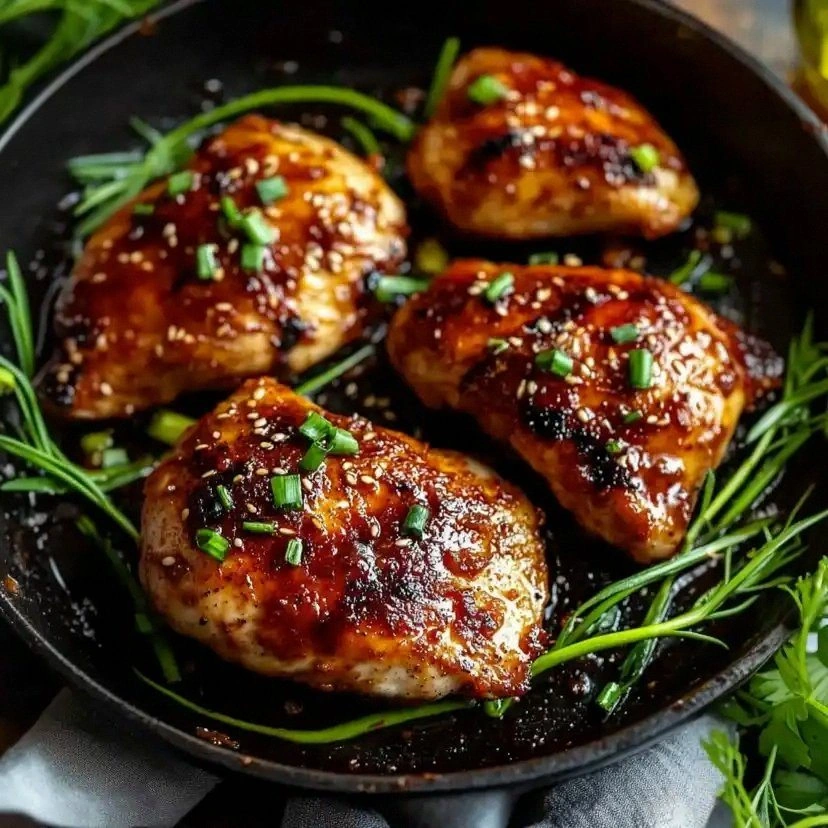
- Transfer the chicken and glaze to a serving dish, garnish with toasted sesame seeds and sliced green onions if desired. The final dish should look like a ruby‑red masterpiece, with a glossy glaze that shimmers. Serve immediately over steamed rice or sautéed greens for a balanced meal. The first bite is a burst of heat, sweetness, and umami, followed by a lingering finish.
That’s it — you did it. But hold on, I've got a few more tricks that'll take this to another level.
Insider Tricks for Flawless Results
The Temperature Rule Nobody Follows
Many cooks underestimate the importance of a hot skillet. A pan that’s too cool will cause the chicken to steam rather than sear, resulting in a soggy exterior. Aim for a temperature where a drop of water sizzles instantly. This simple rule ensures a crisp, caramelized crust that locks in flavor.
Why Your Nose Knows Best
The aroma is a reliable indicator of doneness. When the glaze reduces, you’ll notice a sweet, nutty scent that signals the sauce is ready. Trust your nose; it’s a seasoned chef’s best tool. If you’re still unsure, give it an extra minute and taste a small piece of the sauce.
The 5‑Minute Rest That Changes Everything
After cooking, let the chicken rest on a wire rack for five minutes. This step allows the juices to redistribute, preventing the meat from drying out. A rest also lets the glaze set into a glossy finish. Many cooks skip this, resulting in a less satisfying bite.
Using Fresh Ginger Over Powder
Fresh ginger offers a bright, aromatic punch that powder can’t replicate. The natural oils in fresh ginger elevate the dish’s complexity. If you’re short on time, a small amount of ginger paste works, but the flavor will be less vibrant.
Adding a Splash of Water for Reheating
When reheating leftovers, add a teaspoon of water to the pan before heating. This prevents the glaze from drying out and maintains its glossy texture. A quick stir ensures even distribution and keeps the chicken moist.
Balancing the Sweetness
If you find the dish too sweet, reduce the honey by a tablespoon or increase the soy sauce slightly. Taste as you go; the balance between sweet, salty, and spicy is delicate. A well‑balanced sauce is the hallmark of a great Korean dish.
Creative Twists and Variations
This recipe is a playground. Here are some of my favorite ways to switch things up:
Spicy Shrimp Version
Swap the chicken for shrimp, cutting them in half lengthwise. The shrimp cooks in just a few minutes, so add the glaze at the end to avoid overcooking. The result is a lighter, seafood twist that still delivers that signature spicy glaze.
Vegetarian Kimchi Fusion
Replace the chicken with thick slices of tofu or tempeh. Marinate the protein in the glaze for 10 minutes before searing. The tofu absorbs the sauce, creating a plant‑based dish that’s just as bold.
Sweet Pineapple Kick
Add diced fresh pineapple to the skillet during the last two minutes of cooking. The pineapple caramelizes and adds a tropical sweetness that balances the heat. This version is perfect for summer gatherings.
Low‑Carb Cauliflower Rice
Serve the chicken over cauliflower rice instead of regular rice for a low‑carb option. The cauliflower’s mild flavor complements the spicy glaze without competing for attention. This twist is ideal for those watching their carbohydrate intake.
Garlic‑Lemon Zest
Finish the dish with a squeeze of fresh lemon juice and a sprinkle of lemon zest. The citrus brightens the rich sauce and adds a refreshing contrast. This variation works well for brunch or a light dinner.
Asian Slaw Side
Create a crunchy slaw with shredded cabbage, carrots, and a vinaigrette of rice vinegar, sesame oil, and a touch of honey. The slaw’s crispness cuts through the richness of the chicken, providing a balanced bite. This side is perfect for a festive meal.
Storing and Bringing It Back to Life
Fridge Storage
Store leftover chicken in an airtight container in the refrigerator for up to three days. The glaze may thicken slightly, so allow it to sit at room temperature for 10 minutes before reheating. The dish retains its flavor and texture when stored properly.
Freezer Friendly
For longer storage, freeze the chicken and glaze separately in freezer‑safe containers. Use within two months for best quality. Thaw overnight in the refrigerator before reheating; this prevents the sauce from becoming watery.
Best Reheating Method
Reheat in a skillet over medium heat, adding a splash of water to loosen the glaze. Stir gently until heated through and the sauce is glossy again. Avoid microwaving, as it can cause uneven heating and a rubbery texture.