Introduction
Picture this: you’re halfway through a week of bland takeout when your phone buzzes with a notification from a foodie friend who just discovered a Korean BBQ Chicken Bowl that’s so good it made her forget the entire dinner menu of the previous night. She swears, “I dare you to taste this and not go back for seconds.” I laughed, because I’ve been chasing that elusive balance of sweet, savory, and spicy for years. Then, out of nowhere, a burnt batch of chicken on my stove turned into a smoky, caramelized mess that smelled like a midnight barbecue. That disaster was the spark that lit the fire for this recipe.
When I first tasted the bowl, the aroma hit me like a warm hug: the sesame oil kissed the garlic, the gochujang sang with a faint citrusy tang from the rice vinegar, and the jasmine rice was fluffy enough to melt into your tongue. The texture was a delightful contrast: crispy edges of chicken that crackled like thin ice, silky sauce that coated the rice like velvet, and crunchy cucumber that added a refreshing bite. The sound of the sizzling chicken was music to my ears, and the first bite was a fireworks show of flavors that made me question every other “Korean BBQ” dish I’d ever eaten.
This version stands out because it strips away the fluff, focuses on bold, clean flavors, and uses a creamy gochujang sauce that elevates the dish from ordinary to unforgettable. It’s hands down the best version you’ll ever make at home because it balances heat and sweetness without overwhelming your palate. The sauce coats the chicken and rice so evenly that every spoonful is a masterpiece, and the fresh vegetables keep the bowl bright and vibrant. Most recipes get this completely wrong, focusing on either too much sauce or too much spice, but here, everything works in harmony.
And here’s the twist you won’t expect: a secret infusion of sesame oil into the gochujang cream that gives the sauce a nutty undertone and a silky finish. Okay, ready for the game-changer? Let me walk you through every single step — by the end, you’ll wonder how you ever made it any other way.
What Makes This Version Stand Out
- Taste: The sauce is a balanced blend of sweet, umami, and heat that coats each bite. The gochujang adds depth without overpowering the natural flavor of the chicken.
- Texture: Crispy chicken edges contrast with a silky sauce and crunchy vegetables, creating a multi-sensory experience.
- Simplicity: Only 14 ingredients, most of which you likely already have. No complex techniques—just cook, mix, and serve.
- Uniqueness: The gochujang cream sauce is a game-changer that turns a standard bowl into a culinary showstopper.
- Crowd Reaction: Friends rave about the “wow” factor and the way the sauce makes the rice feel like a cloud.
- Ingredient Quality: Using high-quality soy sauce and fresh ginger ensures that the flavor profile stays authentic and vibrant.
- Cooking Method: Quick pan-searing locks in juices while the sauce simmers to a velvety finish.
- Make‑Ahead Potential: The sauce can be prepared a day ahead, and the bowl re-heats beautifully.
Alright, let's break down exactly what goes into this masterpiece...
Inside the Ingredient List
The Flavor Base
At the heart of this bowl is a simple yet powerful sauce. The soy sauce provides the umami backbone, while the honey or maple syrup injects a subtle sweetness that balances the heat. Gochujang, a fermented Korean chili paste, brings that unmistakable kick and a deep, earthy flavor profile. Sesame oil, used in both the marination and the sauce, adds a nutty aroma that ties everything together. Together, these ingredients create a sauce that coats the chicken like velvet and turns the rice into a cloud of flavor.
The Texture Crew
Chicken thighs are the star because they stay moist and tender even after high-heat searing. Fresh garlic and ginger give a bright, aromatic punch, while the rice vinegar cuts through the richness, preventing the bowl from feeling greasy. The sesame seeds and green onions add crunch and a pop of color, giving the dish a satisfying bite and visual appeal. Edamame and shredded carrots provide a sweet, earthy contrast that keeps the bowl fresh and balanced.
The Unexpected Star
Mayonnaise might seem out of place, but it’s the secret to the creamy gochujang sauce. It thickens the sauce, creates a silky mouthfeel, and tempers the heat of the gochujang. When mixed with a splash of rice vinegar and a pinch of sesame oil, it transforms the sauce into a luscious, velvety coating that makes every bite unforgettable.
The Final Flourish
Water, though a minor player, is essential for adjusting the sauce’s consistency. The jasmine rice acts as the canvas, absorbing the sauce and becoming a fluffy, flavorful base. Cucumber and edamame keep the bowl bright, while the sesame seeds add a subtle crunch. Together, these final touches elevate the dish from simple to sensational.
Everything's prepped? Good. Let's get into the real action...
The Method — Step by Step
- First, combine the soy sauce, honey, sesame oil, minced garlic, grated ginger, rice vinegar, and black pepper in a bowl. Whisk until the honey dissolves and the mixture looks glossy. This is your marination base—think of it as a sweet, savory hug for the chicken. Let it sit for 10 minutes while you prep the rest.
- Slice the chicken thighs into bite‑sized strips. The thickness matters—too thick, and the inside stays raw; too thin, and it dries out. Aim for about 1/2 inch thick. Pat the chicken dry with paper towels; moisture is the enemy of a good sear.
- Heat a large skillet over medium‑high heat and add a splash of sesame oil. When the oil shimmers, drop in the chicken strips. Let them sit untouched for 2–3 minutes so they develop a golden crust. Flip once, then cook for another 3 minutes until cooked through. The sizzle should be audible, not a hiss—this means the pan is hot enough.
- Now, whisk together the mayonnaise, gochujang, extra rice vinegar, sesame oil, minced garlic, and a splash of water. This creamy base should be thick yet pourable. The water is the secret to achieving that silky texture without it becoming too thick.
- Pour the sauce over the seared chicken in the skillet. Toss gently so every piece is coated. Let it simmer for 2–3 minutes, allowing the flavors to meld. The sauce should thicken slightly and coat the chicken like a glossy glaze.
- Meanwhile, rinse the jasmine rice under cold water until the water runs clear. This removes excess starch and keeps the grains fluffy. Cook the rice according to package instructions, then fluff with a fork. The rice should be soft yet distinct, ready to soak up the sauce.
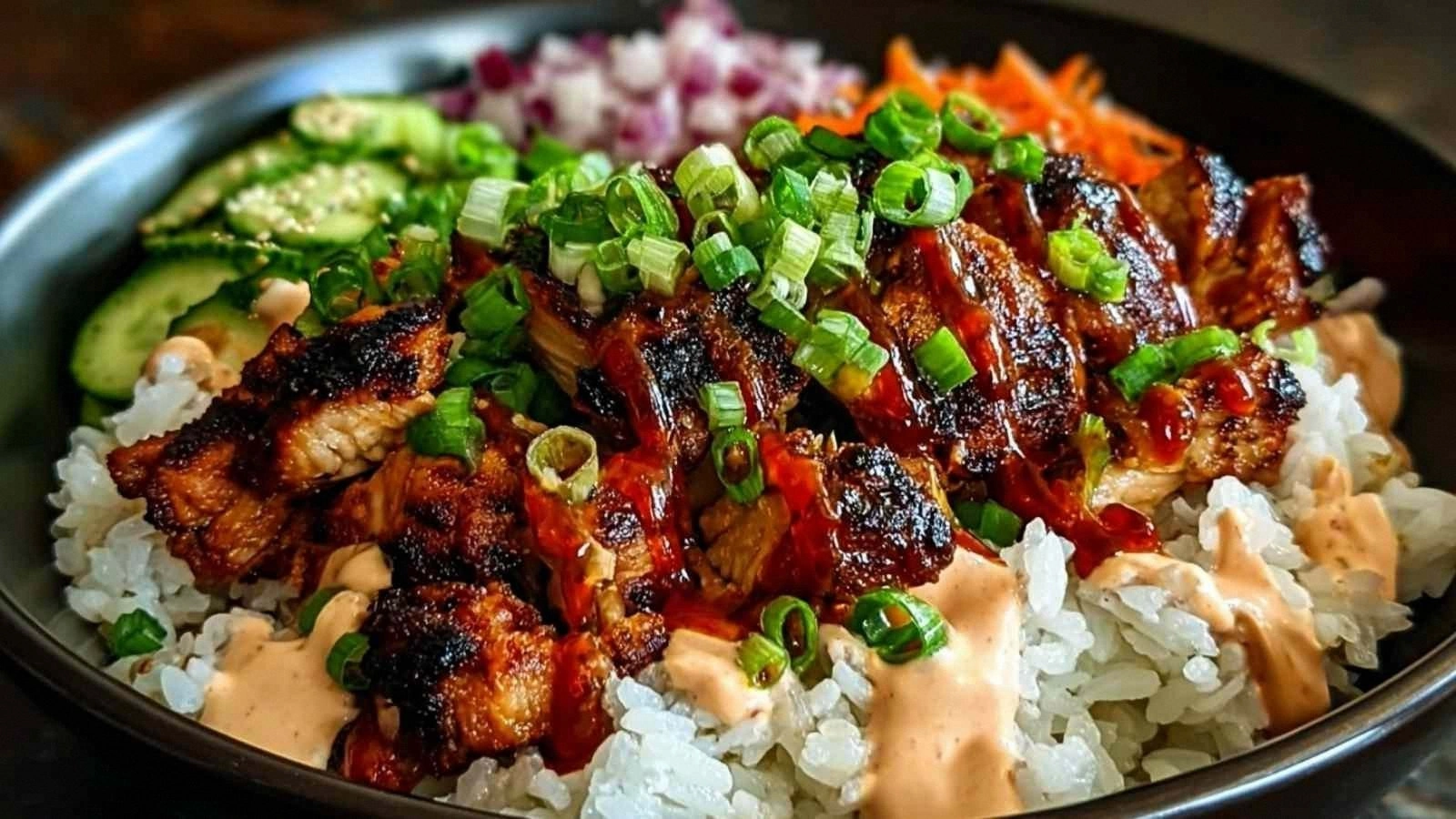
- Plate the rice into bowls, then spoon the chicken and sauce mixture over it. Top with shredded carrots, sliced cucumber, edamame, green onions, and a sprinkle of sesame seeds. The colors should pop, and the aroma will be irresistible.
- Serve immediately while the chicken is still warm and the sauce is glossy. The contrast between the hot chicken, cool veggies, and fragrant rice will make each bite a revelation. If you’re not ready to devour it all at once, store the remaining bowls in the fridge; they’ll stay fresh for 2–3 days.
That’s it — you did it. But hold on, I've got a few more tricks that'll take this to another level.
Insider Tricks for Flawless Results
The Temperature Rule Nobody Follows
Most people cook chicken at a steady medium heat, but this dish thrives on a two‑stage approach: a high‑heat sear followed by a low‑heat simmer. The initial sear locks in juices and creates a caramelized crust, while the gentle simmer ensures the sauce doesn’t scorch. I’ve tried cooking everything at one temperature and the sauce always ended up either too thin or burnt.
Why Your Nose Knows Best
Before you pour the sauce into the pan, give it a quick sniff. If the aroma is too sharp, it’s probably over‑fermented gochujang. If it’s mild, add a dash of extra gochujang. Your nose is a reliable guide to achieving the perfect heat level.
The 5‑Minute Rest That Changes Everything
After the chicken finishes cooking, let it rest on a plate for 5 minutes before cutting. This allows the juices to redistribute, keeping the meat moist. I’ve seen people cut right away, and the result is dry, rubbery chicken.
Use a Splatter Guard for a Cleaner Kitchen
When searing the chicken, the oil can splatter and create a mess. A splatter guard not only keeps your stove clean but also helps maintain a consistent heat across the pan.
Don’t Forget the Crunch
Adding a handful of toasted sesame seeds at the end adds a nutty crunch that elevates the texture profile. I always keep a small bowl of toasted seeds on hand for this quick touch of perfection.
Creative Twists and Variations
This recipe is a playground. Here are some of my favorite ways to switch things up:
Teriyaki Fusion
Swap the soy sauce for a splash of teriyaki sauce and add a touch of mirin. The result is a sweeter, more caramelized glaze that pairs wonderfully with the jasmine rice.
Spicy Kimchi Crunch
Stir in a handful of chopped kimchi for an extra layer of fermented flavor and a pop of color. The kimchi’s tangy bite complements the creamy sauce beautifully.
Vegan Edition
Use tempeh or tofu instead of chicken, and replace the mayonnaise with a vegan mayo or cashew cream. The texture changes, but the flavor profile remains rich and satisfying.
Breakfast Bowl
Serve the bowl over a bed of scrambled eggs instead of rice for a protein-packed breakfast. Add a drizzle of sriracha for an extra kick.
Low‑Carb Version
Replace the jasmine rice with cauliflower rice and reduce the sauce’s sweetener. This keeps the dish low in carbs while maintaining the signature taste.
Cheese Lover’s Twist
Top the bowl with a handful of shredded mozzarella or a drizzle of melted cheese. The cheese melts into the sauce, creating a creamy, gooey layer that’s hard to resist.
Storing and Bringing It Back to Life
Fridge Storage
Store leftover bowls in airtight containers for up to 3 days. Keep the sauce separate if you’re worried about the rice becoming soggy. When ready to eat, microwave on medium for 2 minutes, stirring halfway.
Freezer Friendly
Freeze the cooked chicken and sauce separately for up to 2 months. The rice freezes best if you’ve added a splash of water to keep it from drying out. Thaw overnight in the fridge, then reheat as described above.
Best Reheating Method
Reheat in a skillet over medium heat, adding a splash of water or broth to keep the sauce from drying. A quick stir will bring the flavors back to life, and the rice will re‑absorb the sauce, creating that luscious, glossy finish.