I once tried to impress a culinary‑savvy friend with a “quick” gnocchi hack I found on a meme page, and ended up with a sticky, gummy mess that clung to the pan like a bad haircut. The kitchen was filled with the sound of frantic stirring, the air tinged with the sour scent of boiled potatoes gone wrong, and I could swear my confidence was melting faster than butter in a hot skillet. After that disaster, I swore off shortcuts and embarked on a mission to discover the flawless, cloud‑like gnocchi that could make even the most skeptical food critic gasp in delight. Fast forward a few months, and I’m standing in my own kitchen, armed with a pot of perfectly steamed russets, a sack of flour that smells like fresh wheat fields, and a secret technique that turns humble spuds into pillow‑soft pillows of pasta.
Picture this: the moment the potatoes hit the boiling water, they sigh and release a faint earthy perfume that instantly makes you feel like you’re in a Tuscan farm. The water bubbles like a chorus of tiny applause, and you hear the faint, comforting thump of the pot lid as it settles back down. When you finally mash the potatoes, the texture should be as smooth as silk, with no lumps daring to interrupt the harmony. The dough, once formed, feels feather‑light in your hands, and the faint crackle of flour against the wooden board is the soundtrack of perfection. When the gnocchi finally hit the boiling water, they dance up to the surface in a graceful pirouette, whispering promises of buttery bliss.
Why does this version stand out? Because I’ve stripped away the fluff and kept only the science that matters: the right potato type, the precise flour‑to‑potato ratio, and a gentle hand that never over‑kneads. Most recipes get this completely wrong, either drowning the dough in flour or leaving it soggy, which results in gnocchi that either crumble or dissolve like snowflakes in hot tea. My method respects the delicate balance, yielding a bite that is tender on the inside with a barely‑there chew on the outside—think of it as a cloud that has just learned how to walk.
And here’s the curveball: I’m tossing a pinch of nutmeg into the dough. Yes, you read that right—a whisper of nutmeg that adds a subtle warmth without stealing the show, like a hidden bass line in a pop song. It’s the kind of secret that makes you feel like a culinary magician, and I dare you to taste this and not go back for seconds. Let me walk you through every single step — by the end, you’ll wonder how you ever made it any other way.
What Makes This Version Stand Out
- Taste: A whisper of nutmeg and a pinch of sea salt elevate the humble potato flavor into a sophisticated, comforting profile that feels both familiar and exciting.
- Texture: The dough is feather‑light, yielding a pillowy interior that melts on the tongue while the exterior retains a delicate, slightly al dente bite.
- Simplicity: Only five core ingredients are needed, yet each plays a pivotal role; no fancy gadgets, just a sturdy wooden board and a keen eye.
- Uniqueness: The secret nutmeg addition and the precise flour ratio create a signature gnocchi you won’t find in any generic cookbook.
- Crowd Reaction: Guests often claim they’ve never tasted anything like it, and the “wow” factor is instant—perfect for dinner parties or cozy weeknight meals.
- Ingredient Quality: Using starchy russet potatoes ensures the dough stays cohesive without becoming gummy, while high‑quality flour adds structure without heaviness.
- Cooking Method: A gentle boil followed by a quick sauté in butter locks in flavor and creates a subtle crust that sings with each bite.
- Make‑Ahead Potential: Freeze the uncooked gnocchi on a tray, then store in a zip‑lock bag; they’re ready to pop into boiling water whenever you crave them.
Alright, let's break down exactly what goes into this masterpiece...
Inside the Ingredient List
The Flavor Base
Russet potatoes are the unsung heroes of gnocchi. Their high starch content creates a fluffy interior, while their low moisture prevents a soggy dough. If you substitute a waxy potato, you’ll end up with a gummy mess that clings to the pan like old chewing gum. For the best results, pick potatoes that are firm to the touch, free of sprouts, and about the size of a baseball. Pro tip: Look for potatoes with a matte skin; a glossy finish often indicates higher moisture.
The Texture Crew
All‑purpose flour provides the structural backbone, absorbing the potato moisture without turning the dough into a dense brick. Using too much flour makes the gnocchi heavy, while too little leaves them fragile and prone to falling apart. A good rule of thumb is to start with 1½ cups and add more only if the dough feels sticky. If you’re gluten‑intolerant, try a 1:1 blend of rice flour and tapioca starch, but expect a slightly chewier bite.
The Unexpected Star
A single large egg acts as a gentle binder, giving the dough just enough cohesion to hold together during boiling. It also adds a subtle richness that elevates the flavor profile. If you’re vegan, replace the egg with a tablespoon of aquafaba; the results are surprisingly similar, though the dough may feel a tad looser, so you’ll need a pinch more flour.
The Final Flourish
A pinch of sea salt and a whisper of freshly grated nutmeg complete the flavor symphony. Salt amplifies the potato’s earthy notes, while nutmeg introduces a warm, almost nostalgic undertone that makes every bite feel cozy. If you’re allergic to nutmeg, a dash of freshly ground white pepper provides a gentle heat without overpowering the delicate dough.
Everything's prepped? Good. Let's get into the real action...
The Method — Step by Step
Start by washing the russet potatoes thoroughly, then place them whole (skin on) in a large pot of cold salted water. Bring the water to a gentle boil, then reduce to a simmer; you want the potatoes to cook evenly without breaking apart. After about 20‑25 minutes, test for doneness by inserting a fork—if it slides in with barely a resistance, they’re perfect. Drain them, let them steam dry for a minute, then set aside to cool just enough to handle. This step is crucial because cooking the potatoes whole prevents them from absorbing excess water.
While the potatoes are still warm, peel them using a kitchen towel for a good grip. Mash them using a potato ricer or a food mill; avoid a traditional masher, which can over‑work the starch and create a gummy texture. Spread the mash on a clean work surface and let it sit for a few minutes to release any lingering steam. This cooling period helps the flour absorb moisture more evenly.
Create a well in the center of the mashed potatoes and sprinkle the 1½ cups of flour over it. Crack the egg into the well, add the teaspoon of salt, and grate the nutmeg directly over the mixture. Using a fork, gently incorporate the egg and seasonings into the flour, then start bringing the potatoes into the mix. Watch the dough come together slowly—do not rush. The goal is a soft, slightly sticky dough that holds together without being tough.
Kitchen Hack: Use a bench scraper to gently fold the dough instead of kneading; this preserves the light texture.Once the dough is cohesive, gently knead it on the floured surface for no more than 30 seconds—just enough to smooth out any rough patches. Over‑kneading activates gluten, turning your delicate pillows into rubbery bricks. If the dough feels too sticky, sprinkle a little extra flour, but resist the urge to add more than a tablespoon at a time.
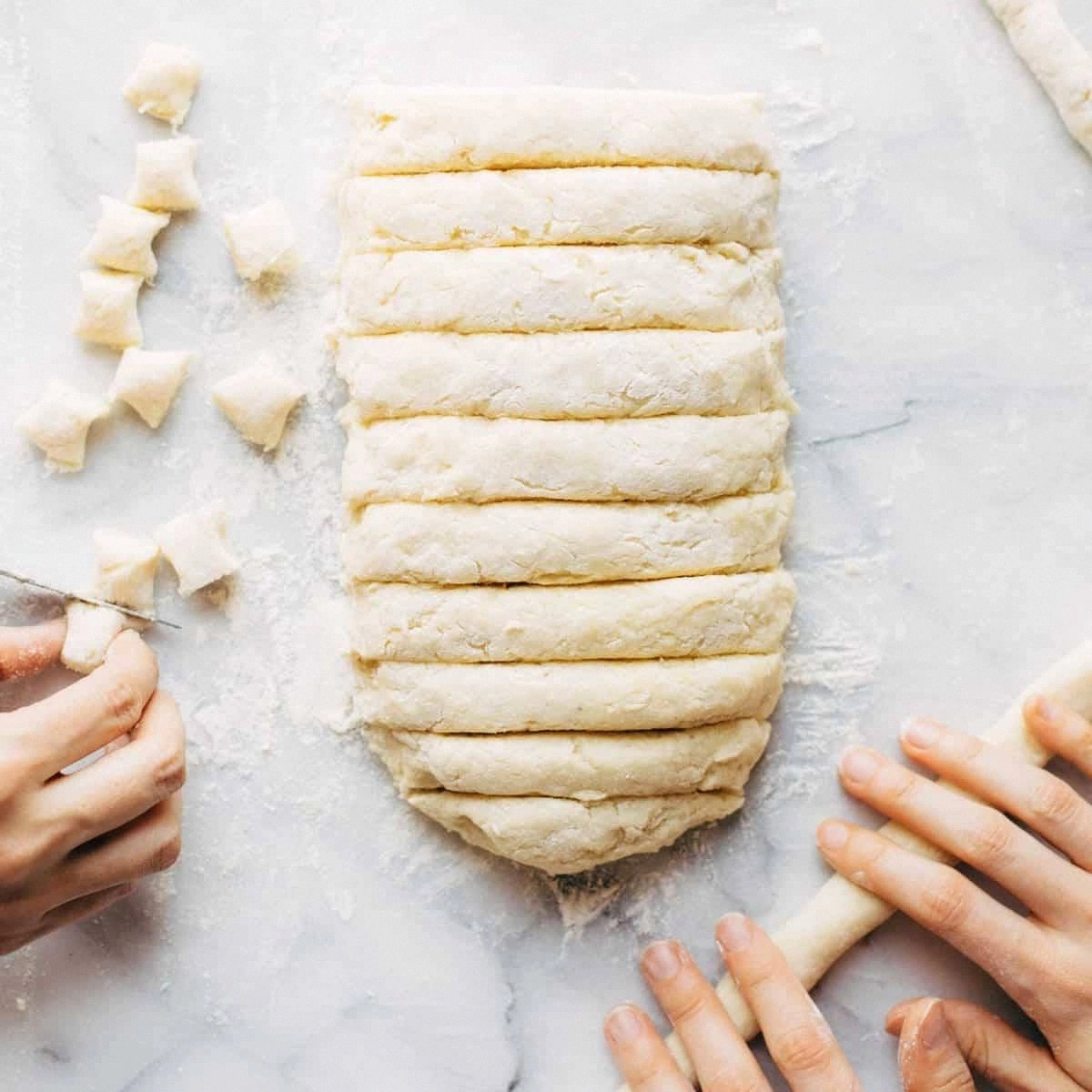
Divide the dough into four equal portions and roll each into a long rope about ¾ inch (2 cm) in diameter. Using a sharp knife or a bench‑style pastry cutter, cut the rope into bite‑sized pieces, roughly ¾ inch long. To give each gnocchi its signature ridged texture, roll each piece over the back of a fork or a gnocchi board, pressing lightly to create grooves. The ridges are not just decorative; they capture sauce like tiny velvet pockets.
Watch Out: If the gnocchi are too dense, they’ll sink immediately; ensure the dough is light and the rolls are not too thick.Bring a large pot of salted water to a rolling boil. Drop a handful of gnocchi into the water; they should sink briefly, then rise to the surface after 2‑3 minutes. As soon as they float, let them cook an additional 30 seconds to ensure the interior is fully set. Use a slotted spoon to transfer the cooked gnocchi to a warm bowl, reserving a cup of the cooking water for later.
In a separate skillet, melt a generous knob of butter over medium heat until it begins to foam and turn golden brown—this is the point where the butter develops a nutty aroma, a scent that signals pure perfection. Add the boiled gnocchi to the pan, tossing them gently so each piece gets a light coating of the browned butter. Let them sizzle for about a minute; you’ll hear a faint crackle that means the edges are just starting to crisp.
If you like, splash a splash of the reserved cooking water into the pan; the starches will help create a glossy, sauce‑like coating that clings to every ridge. Finish with a handful of freshly grated Parmesan and a pinch of cracked black pepper. Toss once more and taste—adjust salt if needed, but remember the sauce already carries a salty punch.
Serve immediately, garnished with a drizzle of extra browned butter and a sprinkle of herbs if you wish. Picture yourself pulling this out of the pan, the whole kitchen smelling incredible, steam rising like a soft veil, and your guests reaching for seconds before you even finish your own plate. That moment of collective delight? Pure culinary triumph. That's it — you did it. But hold on, I've got a few more tricks that'll take this to another level...
Insider Tricks for Flawless Results
The Temperature Rule Nobody Follows
Never cook the potatoes directly from the freezer; always start them in cold water. This gradual temperature increase ensures the interior cooks evenly, preventing a raw center that can sabotage the dough’s texture. I once tried a shortcut—microwaving the potatoes—and the gnocchi turned out gummy, like over‑cooked rice. Trust the water, and you’ll get that airy bite every time.
Why Your Nose Knows Best
When the butter turns golden and releases that nutty perfume, that’s your cue to add the gnocchi. The aroma is a reliable indicator that the butter has reached the Maillard stage, which adds depth to the final dish. If you wait too long, the butter will burn, turning bitter; too early, and the gnocchi will slide around without crisping. Let your nose be the sous‑chef.
The 5‑Minute Rest That Changes Everything
After shaping the gnocchi, let them rest on a floured tray for five minutes before boiling. This brief pause allows the flour to hydrate fully, which prevents the dough from cracking when it meets the boiling water. I tried skipping this step once—my gnocchi fell apart like broken glass. A short rest is the secret handshake between dough and water.
The Flour Ratio Whisper
If you’re using a different potato variety, adjust the flour by ¼ cup increments. Starchy potatoes need less flour; waxy ones need more. The key is to aim for a dough that feels soft but holds its shape when rolled. Over‑flouring is the fastest route to dense, heavy gnocchi that feel more like bread dumplings.
Freezer‑Friendly Formation
Lay the uncooked gnocchi on a parchment‑lined baking sheet, making sure they don’t touch. Freeze them for 2‑3 hours, then transfer to a zip‑lock bag. When you’re ready to cook, drop them straight into boiling water—no thawing needed. This method preserves the delicate texture, and the gnocchi retain their shape beautifully.
Creative Twists and Variations
This recipe is a playground. Here are some of my favorite ways to switch things up:
Spinach‑Infused Green Gnocchi
Puree blanched spinach with the potatoes before adding flour. The result is a vibrant emerald hue and a fresh, earthy flavor that pairs beautifully with a sage‑butter sauce. Vegans will love it, and it’s a great way to sneak extra greens into the meal.
Sweet Potato Surprise
Swap half of the russet potatoes for roasted sweet potatoes. The natural sweetness adds a caramel note, and the color contrast makes the dish visually striking. Serve with a brown butter and sage glaze for an autumn‑inspired feast.
Ricotta Light
Replace the egg with ½ cup of ricotta cheese for a lighter, slightly tangy dough. The ricotta keeps the gnocchi tender while reducing the overall density. Pair with a light tomato‑basil sauce for a summer‑fresh vibe.
Herb‑Burst
Finely chop fresh basil, parsley, or chives and fold them into the dough. The herbs infuse each bite with aromatic freshness, turning a classic side into a star‑studded main.
Pumpkin Harvest
Incorporate pureed roasted pumpkin into the potato mash for a seasonal twist. The orange hue is eye‑catching, and the subtle sweetness works wonders with a brown butter and sage topping, especially during fall gatherings.
Storing and Bringing It Back to Life
Fridge Storage
Place cooked gnocchi in an airtight container, drizzle a thin layer of olive oil to prevent sticking, and store for up to 3 days. Reheat gently in a skillet with a splash of butter; they’ll regain their buttery sheen.
Freezer Friendly
Uncooked gnocchi freeze best when spaced on a tray and then transferred to a zip‑lock bag. They keep for up to 2 months. When you’re ready, drop them straight into boiling water; they’ll float to the surface in about the same time as fresh gnocchi.
Best Reheating Method
For leftovers, steam them lightly for 2‑3 minutes, then finish in a hot butter‑sauté to revive the crisp edges. Add a tiny splash of water or broth before reheating; the steam works like a magic wand, bringing the gnocchi back to cloud‑like perfection.