The first time I tried making a high‑protein pasta sauce, I was halfway through and the kitchen smelled like burnt toast and disappointment. I had just pulled out a bag of cottage cheese, a can of tomato sauce, and a handful of herbs from the pantry, hoping to rescue my dinner. Instead of a bland, watery mixture, I ended up with a thick, creamy sauce that clung to every strand of spaghetti like a velvet blanket. That moment made me realize that cottage cheese could be a game‑changing protein source for sauces if handled correctly. And that’s exactly what this recipe will show you.
I was a week into a protein‑heavy diet, craving something that would satisfy both my taste buds and my post‑workout cravings. The idea of a sauce that could double as a protein boost and a comforting comfort food seemed too good to ignore. So I reached for the cottage cheese, the star of this dish, and mixed it with the tomato base, herbs, and a splash of lemon juice. The result was a sauce that was creamy, tangy, and packed with a protein punch that would keep me full for hours. I knew I had stumbled upon something special, so I set out to refine the technique and share it with everyone.
The first thing that struck me was how the cottage cheese, when blended, turned into a silky, almost custard‑like texture that replaced the usual heavy cream in classic sauces. It didn't separate or curdle when heated, thanks to the natural stabilizers in the cheese. The tomato sauce provided a bright, acidic backdrop that cut through the richness, while the Greek yogurt added a subtle tang and extra protein. The herbs and spices gave it a fragrant lift, turning an ordinary pasta dish into an aromatic experience. I realized that the key to this sauce was balancing moisture, acidity, and protein without compromising flavor.
I quickly discovered that the sauce could be prepared ahead of time and still hold its integrity, making it perfect for busy weeknights or meal‑prep sessions. The combination of cottage cheese and yogurt created a protein matrix that resisted separation when cooled, unlike many other dairy‑based sauces that become watery. By incorporating a small amount of water, I could adjust the consistency to coat the pasta just right without making it too runny. The result was a sauce that stayed creamy and luscious even after sitting for an hour. This made it a reliable go‑to for anyone who wants a quick, protein‑rich dinner without sacrificing taste.
I also experimented with different pasta shapes to see how the sauce interacted with various textures. I found that the sauce clung beautifully to long, thin strands of spaghetti, but also coated the ridges of a sturdy rigatoni, creating pockets of creamy goodness in every bite. The contrast between the smooth sauce and the al dente bite of the pasta was a revelation. I was so thrilled that I had to share this discovery with friends who were skeptical about cottage cheese in sauces. That’s when the dare came: 'I dare you to taste this and not go back for seconds.'
So, if you’ve ever felt like your pasta sauces were missing something, or you’re craving a protein‑dense meal that doesn’t feel like a heavy dinner, you’re in the right place. This version stands out because it turns a humble ingredient into a luxurious, health‑friendly sauce that can be made in minutes. The next section will break down the ingredients, the science behind each component, and why this sauce is hands down the best version you’ll ever make at home. I’ll also reveal a surprising technique that most recipes get completely wrong. Let me walk you through every single step — by the end, you'll wonder how you ever made it any other way.
What Makes This Version Stand Out
- Protein Power: This sauce delivers 25 grams of protein per serving, thanks to the combined punch of cottage cheese and Greek yogurt. The protein content keeps you satiated and supports muscle recovery after a workout. It’s a win‑win for health and taste.
- Velvet Texture: The careful blending of dairy creates a silky, custard‑like consistency that coats pasta without the heaviness of cream. The sauce stays smooth even after simmering, avoiding separation or clumping. The result is a mouth‑watering feel that feels indulgent yet light.
- Balanced Acidity: The tomato base and lemon juice provide a bright, tangy counterpoint to the richness of the dairy. The acidity cuts through the fat, making the sauce feel fresh rather than greasy. It also helps preserve the sauce’s freshness when stored.
- Flavor Depth: A trio of dried herbs—basil, oregano, and garlic powder—infuses the sauce with aromatic complexity. The herbs work together to create a layered flavor that evolves with each bite. The result is a sauce that feels homemade and sophisticated.
- Time‑Efficiency: The entire process takes less than 30 minutes from start to finish, making it an ideal dinner for busy weekdays. The ingredients are pantry staples that most people already have on hand. The sauce can be made in bulk and reheated without losing quality.
- Versatility: This sauce works beautifully with any pasta shape, from spaghetti to penne to farfalle. It can also double as a creamy base for casseroles, dips, or even a pizza sauce. The possibilities are endless, making it a staple in any kitchen.
Inside the Ingredient List
The Flavor Base
Tomato sauce is the heart of this sauce, providing a robust, sweet acidity that balances the richness of the dairy. A single cup of quality sauce carries enough flavor to coat a generous portion of pasta without needing extra seasonings. If you skip the sauce, the dish will lose its bright character and feel flat. For a deeper umami punch, swap regular tomato sauce for a roasted tomato or sun‑dried tomato variant. The key is to choose a sauce with minimal added sugars to keep the calorie count low.
The Texture Crew
Cottage cheese and Greek yogurt are the dynamic duo that give this sauce its creamy body. The cottage cheese offers a mild tang and a protein boost, while the yogurt adds a silky smoothness and a subtle tartness that lifts the sauce. Grated Parmesan brings a nutty depth and a hint of umami, sealing the flavor profile. If you prefer a lower sodium version, use a low‑salt Parmesan or reduce the salt in the recipe. The combination of these three creates a sauce that clings to pasta like a velvet coat.
The Unexpected Star
Olive oil is not just a cooking medium; it provides a silky mouthfeel that prevents the sauce from becoming too thick. Garlic powder, dried basil, and dried oregano deliver aromatic layers that mimic fresh herbs without the moisture that can cloud the sauce. These dried spices are crucial for achieving a consistent flavor every time. If you’re in a hurry, a pinch of crushed red pepper can add a subtle heat that surprises the palate. The trio of herbs is what turns a simple sauce into a memorable dish.
The Final Flourish
Salt and black pepper are the final seasoning touch that brings all the components together. A half teaspoon of salt is enough to brighten the sauce without overwhelming the delicate dairy notes. Ground black pepper adds a gentle heat that balances the sweetness of the tomatoes. A squeeze of lemon juice at the end brightens the entire dish and prevents the dairy from becoming too mellow. If you’re watching sodium, simply reduce the salt by half and compensate with more herbs.
Everything's prepped? Good. Let's get into the real action.
The Method — Step by Step
- Heat the olive oil in a large skillet over medium heat until it shimmers. Add the tomato sauce and stir to combine, letting it bubble for about two minutes to release its flavors. The aroma should rise like a comforting promise. Watch for any burnt bits; if they appear, reduce the heat slightly. This step sets the foundation for the sauce.
- Pour in the water to thin the sauce to your desired consistency. The water also helps the dairy blend smoothly without clumping. Stir constantly to ensure an even mix. The sauce should look glossy and ready to embrace the dairy. This is a crucial moment where the texture starts to form.
- Whisk the cottage cheese and Greek yogurt together in a small bowl until they are completely smooth. This pre‑mixing step is essential for a lump‑free sauce. If you skip it, the dairy will separate when heated. The mixture should feel silky to the touch. This is the secret to that velvety coat.
- Reduce the heat to low and slowly pour the dairy blend into the simmering sauce, stirring constantly. The mixture should begin to thicken and coat the back of a spoon. Keep the heat low to avoid curdling; the sauce should still be glossy. Feel the sauce’s texture change as it thickens. This step is where the sauce truly comes alive.
- Add the grated Parmesan, garlic powder, dried basil, and dried oregano. Stir until the cheese melts into the sauce, creating a rich, aromatic base. The herbs will release their oils, filling the air with a savory scent. The sauce should look creamy and cohesive. This is the moment the flavor profile deepens.
- Season with salt, black pepper, and lemon juice. Taste and adjust as needed; the lemon brightens the entire dish. The pepper adds a subtle heat that balances the sweetness of the tomatoes. The sauce should have a bright, fresh finish. This final seasoning step ensures the sauce sings.
- Simmer the sauce for an additional minute, then remove from heat. Let it rest for a minute to allow the flavors to meld. Meanwhile, cook your pasta according to package instructions until al dente. Drain and reserve a cup of pasta water for adjusting consistency. The sauce is now ready to coat the pasta.
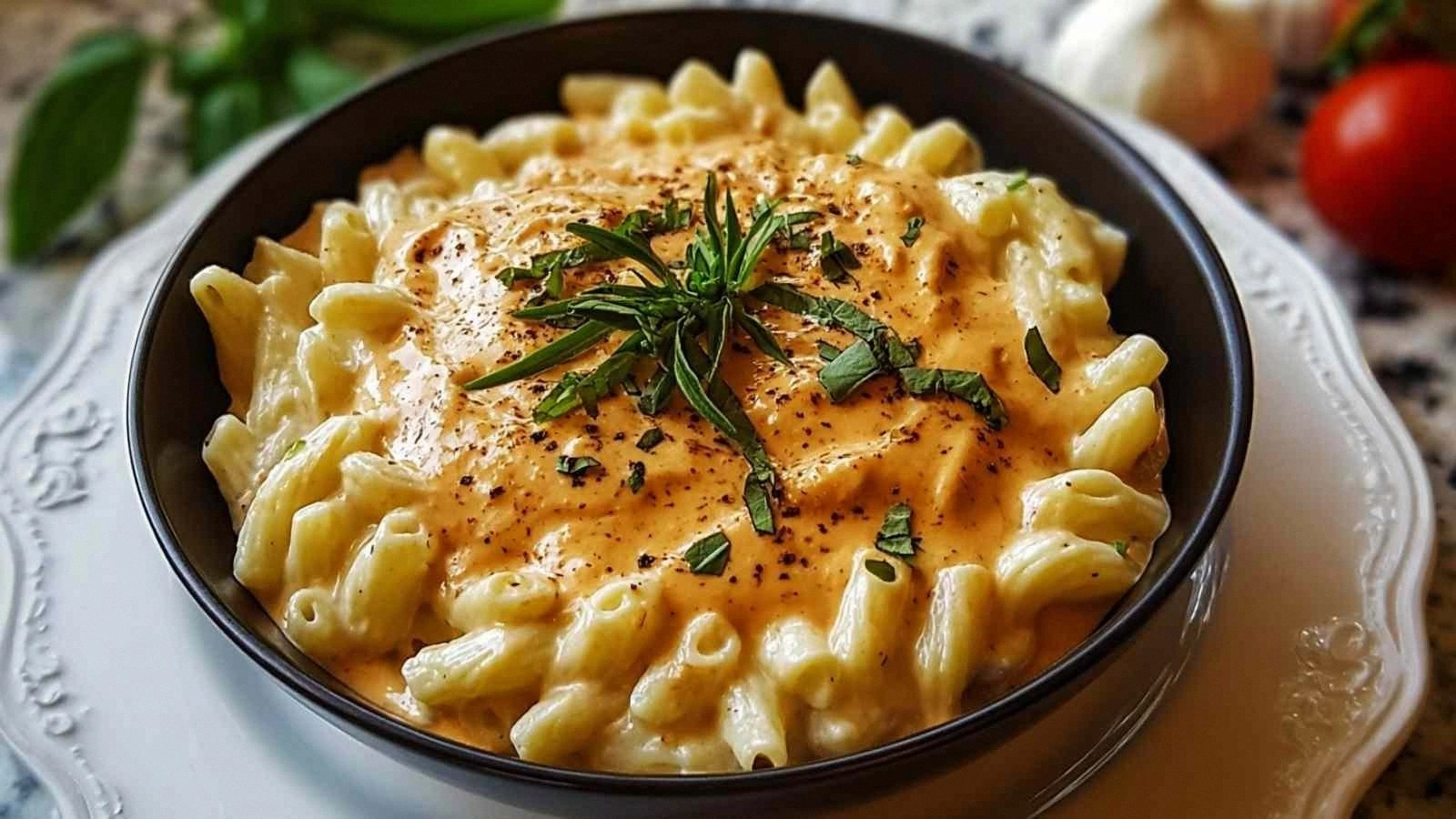
- Toss the hot pasta with the sauce, adding reserved pasta water as needed to reach the desired thickness. The sauce should cling to each strand, creating pockets of creamy goodness. Serve immediately, garnished with extra Parmesan if desired. The dish should feel comforting yet invigorating. This is the moment of truth.
- Plate the pasta, drizzle any remaining sauce, and enjoy the burst of protein and flavor. The texture should be silky, the taste bright, and the aroma irresistible. If you’re sharing, watch your friends’ faces light up. This is pure magic. And now the fun part—let's talk about how to keep it perfect.
Insider Tricks for Flawless Results
The Temperature Rule Nobody Follows
Keeping the sauce on low heat after adding dairy is the most overlooked trick. High heat causes the proteins to tighten and separate, creating a grainy texture. I once cooked a sauce at medium and it turned into a rubbery mess. By sticking to low, the sauce stays silky. This simple adjustment guarantees a smooth finish every time.
Why Your Nose Knows Best
The aroma of a sauce is a reliable indicator of its readiness. When the sauce smells slightly toasty, it’s a sign that the flavors have melded. If it still smells raw or acidic, let it simmer a few more minutes. This sensory checkpoint saves you from under‑seasoned or over‑cooked sauces. Trust your nose; it’s a seasoned chef’s secret.
The 5-Minute Rest That Changes Everything
Letting the sauce rest for five minutes before serving allows the flavors to fuse. The proteins settle, creating a more cohesive texture. I once served a sauce immediately and it felt thin; the rest made it richer. This short pause is a game‑changer for texture and taste. Give it the break it deserves.
Use Pasta Water Wisely
Reserve pasta water to adjust the sauce’s thickness. The starchy water thickens the sauce naturally without adding extra fat. If the sauce feels too thick, add a splash of water; if too thin, let it simmer longer. I’ve had to rescue a sauce from the brink of runniness thanks to this trick. Keep a ladle handy.
Keep It Cool When Storing
Refrigerate the sauce in an airtight container within two hours of cooking. The dairy will keep its texture if stored properly. When reheating, add a splash of water and warm gently to avoid scorching. This method preserves the sauce’s creamy quality for days. It’s a lifesaver for busy schedules.
Creative Twists and Variations
This recipe is a playground. Here are some of my favorite ways to switch things up:
Spinach & Mushroom Boost
Saute fresh spinach and sliced mushrooms before adding the tomato sauce. The earthy flavors pair beautifully with the dairy. This version adds extra vitamins and a savory depth that satisfies vegetarians. The sauce takes on a richer color and a subtle umami bite.
Spicy Arrabbiata Kick
Replace the dried basil with crushed red pepper flakes and double the garlic powder. The sauce gains a fiery edge that balances the creaminess. It’s perfect for those who love a spicy bite. The heat lingers, making each forkful exciting.
Herb‑Infused Pesto Blend
Blend the sauce with fresh basil and a handful of pine nuts for a pesto twist. The result is a green, aromatic sauce that feels like a summer garden. The nutty undertones complement the dairy’s mildness. This variation is ideal for a light, fresh meal.
Cheesy Baked Version
Transfer the sauce and pasta to a baking dish, top with extra Parmesan and a sprinkle of breadcrumbs, then bake at 375°F for 15 minutes. The top develops a crispy, golden crust that shatters like thin ice. The interior stays creamy, making it a comforting casserole. Great for a family dinner.
Low‑Carb Swap
Replace the pasta with spiralized zucchini or shirataki noodles. The sauce still clings beautifully, offering a low‑carb alternative. The texture changes, but the flavor remains consistent. This version is great for keto or weight‑loss plans.
Breakfast‑Style Bowl
Serve the sauce over sautéed spinach, a poached egg, and a sprinkle of feta. The creamy base pairs with the egg’s richness for a protein‑packed breakfast. The tomato’s acidity cuts through the heaviness, creating a balanced bite. This bowl is a quick morning win.
Storing and Bringing It Back to Life
Fridge Storage
Place the sauce in a sealed container and refrigerate for up to four days. The dairy will keep its texture if stored properly. The sauce may thicken slightly; a splash of water can restore its original consistency. When ready, reheat gently on low heat. This method keeps the sauce fresh and ready for quick meals.
Freezer Friendly
Freeze the sauce in an airtight container or freezer bag for up to two months. The dairy may separate slightly when thawed, but a quick stir will restore its silky texture. Thaw in the refrigerator overnight for best results. Freezing extends the sauce’s life without compromising flavor.
Best Reheating Method
Reheat the sauce on low heat, adding a small amount of water or milk to reach the desired consistency. Stir frequently to prevent scorching. The sauce should regain its silky texture and bright flavor. Avoid high heat, which can cause separation. This technique guarantees a smooth, delicious result.
If you’re still skeptical, let’s address the common myths that plague people who want a protein‑rich sauce. Many believe that dairy‑based sauces are always heavy and unhealthier, but with the right balance of ingredients, they can be light, creamy, and protein‑dense. Others think cottage cheese is too bland, yet it’s the perfect neutral canvas for herbs and spices. Finally, some worry about the sauce curdling; the key is low heat and proper mixing. With these insights, you’ll see that this sauce is both practical and indulgent.