Picture this: I was halfway through a week of bland, overcooked dinners when the kitchen alarm rang—my stove had blown a spark, and a carrot had become a rogue fireball. The smell of scorched vegetables still lingered, and my stomach was a silent protester of the blandness that followed. I swore then and there that I’d never again let a simple soup be an excuse for disappointment. That night, I started experimenting with a humble carrot, a daring splash of fresh ginger, and the kind of curiosity that turns a kitchen mishap into a culinary revelation.
The first time I tasted the result, the aroma hit me like a warm hug—sweet carrot, sharp ginger, and a faint citrus twist that made my nose do a little dance. The sound of the broth simmering was a soft, comforting hiss, like a lullaby for the soul. When I lifted the ladle, the steam curled around the bowl in a gentle cloud that smelled of sunshine and distant spice markets. The texture was silky, almost like a velvety blanket, but with a bright, bright kick that kept my tongue on its toes. I was hooked. I dared you to taste this and not go back for seconds.
This isn’t just a soup; it’s a story in a bowl. The secret lies in the balance between the earthiness of carrots and the fiery whisper of ginger, amplified by a splash of coconut milk that softens the heat and adds a subtle sweetness. The method I’ll share uses a technique that most recipes overlook: slow roasting the aromatics to bring out their natural sugars before they hit the pot. That subtle caramelization turns a plain vegetable broth into a complex, layered base that sings with depth.
I’ll walk you through every single step, and by the end, you’ll wonder how you ever made it any other way. From selecting the perfect carrots to mastering the timing of the ginger, this recipe is a playbook for flavor. It’s hands down the best version you’ll ever make at home, and I’ll show you why. If you’ve ever struggled with a soup that’s either too bland or too overpowering, you’re not alone—and I’ve got the fix.
What makes this recipe stand out isn’t just the ingredients; it’s the approach. I’ll share a technique that turns a simple bowl into a feast for the senses. Imagine the warmth of a kitchen after a long day, the steam rising like a promise of comfort. That’s the vibe I want to capture, and I’ll help you recreate it step by step.
Now, let’s dive into the details. The next section will break down what makes this version of Ginger Carrot Soup truly special. And trust me, you’ll want to keep your eyes peeled for the little tricks that elevate the dish from good to unforgettable.
What Makes This Version Stand Out
- Flavor Depth: By roasting the ginger and onions before simmering, we unlock hidden sugars that create a caramelized base, turning simple carrots into a caramelized, almost caramel-like sweet.
- Texture Contrast: The blend of pureed carrot and a few chunks left whole provides a satisfying bite that keeps the soup interesting.
- Heat Management: Fresh ginger gives a bright, clean heat, while coconut milk balances it with a creamy, tropical softness.
- Ingredient Quality: Using organic carrots and fresh ginger maximizes flavor, and the choice of low-sodium broth keeps the soup clean.
- Make‑Ahead Potential: This soup freezes beautifully; the flavors only deepen, making it a perfect meal prep option.
- Versatility: Add a splash of lime or a pinch of cayenne, and you can shift the profile from comforting to zesty or spicy.
Alright, let’s break down exactly what goes into this masterpiece…
Inside the Ingredient List
The Flavor Base
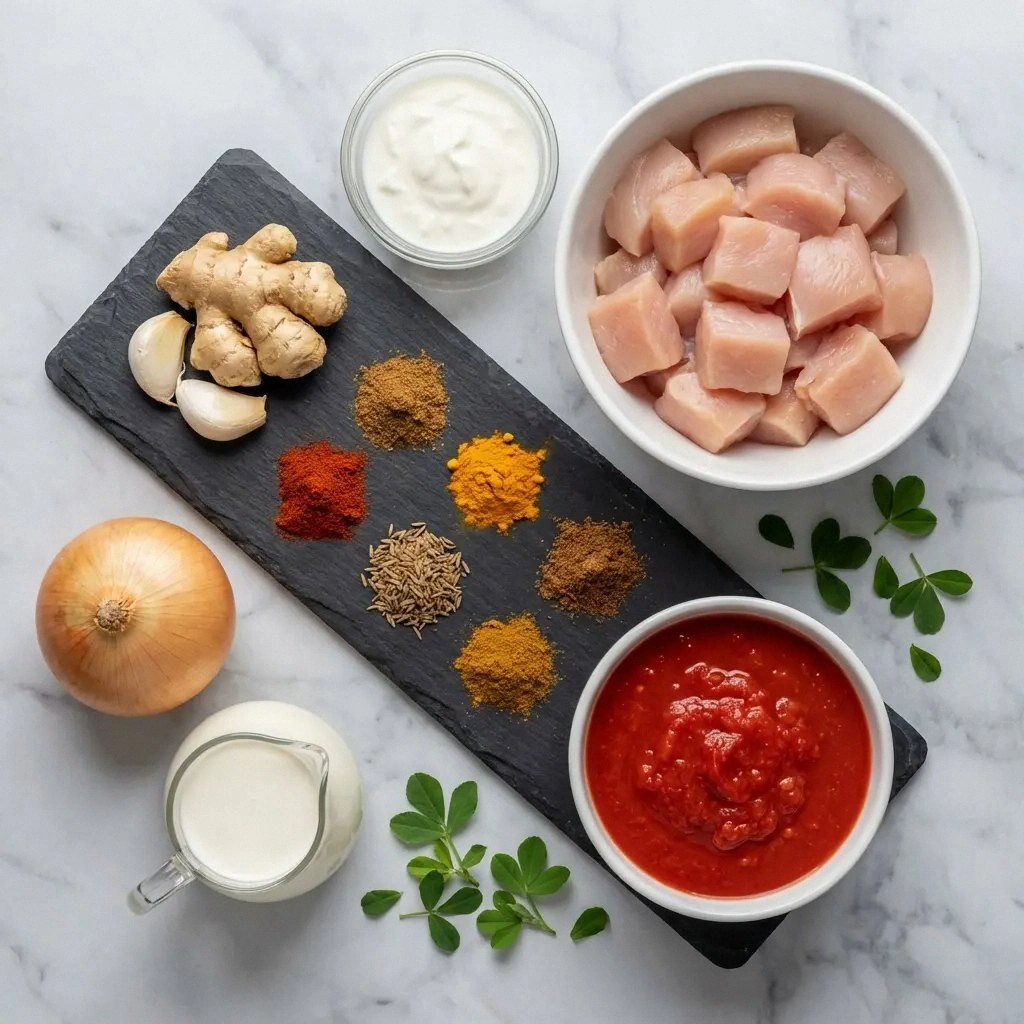
The foundation of this soup is the broth. I use a low‑sodium vegetable stock that’s rich but not overpowering. It provides a clean canvas for the ginger and carrots to shine. If you’re feeling adventurous, swap in a homemade stock for an extra layer of depth. A pinch of smoked paprika can add a subtle smokiness that complements the earthiness.
Carrots are the star of the show. I choose organic baby carrots for their natural sweetness and firm texture. They’re easier to peel and cut, reducing prep time. If you’re short on time, you can use frozen carrot slices, but fresh will give you that bright, fresh flavor. The key is to keep the pieces uniform so they cook evenly.
Ginger is the secret weapon that brings heat and a bright, citrusy note. Fresh ginger is essential; the aroma is a game‑changer. I grate it finely to release maximum flavor. If you don’t have fresh ginger, a small amount of ginger paste will do, but the flavor won’t be as vibrant.
Onion and garlic form the aromatic backbone. I use a medium yellow onion for its sweetness and a couple of cloves of garlic for depth. They’re sautéed until translucent, which draws out their natural sugars and creates a subtle caramel base. Skip the onion? The soup will lack that sweet undertone, and you’ll end up with a flat, one‑dimensional broth.
Coconut milk is what turns the soup from a simple broth into a silky, creamy delight. It adds a tropical sweetness that balances the heat of the ginger. I opt for unsweetened coconut milk to keep the flavor pure. If you prefer a lighter version, half‑and‑half coconut milk or a splash of cream can work, but the texture will differ.
Ground cumin and coriander add a warm, nutty depth that lingers on the palate. They’re optional but recommended for a more complex flavor profile. If you’re allergic or just don’t like them, you can omit them and the soup will still be delicious. A pinch of turmeric can also add a subtle earthy tone and a pop of color.
Fresh lemon juice brightens the dish, cutting through the richness of the coconut milk. It also adds a fresh, citrusy note that lifts the overall flavor. I use freshly squeezed juice for the best result. If you’re in a pinch, bottled lemon juice works, but it can be a bit harsh.
Finally, cilantro is the garnish that adds a fresh, herbal finish. I chop it finely and sprinkle it on top just before serving. It’s not just for aesthetics; the herb’s bright flavor cuts through the sweetness and adds a layer of freshness. If you’re not a fan of cilantro, parsley or basil can be used as alternatives.
Everything’s prepped? Good. Let’s get into the real action…

The Method — Step by Step
- Heat a large pot over medium heat and add the olive oil. Once the oil shimmers, add the diced onion and sauté until translucent, about 5 minutes. This step is crucial; it builds the aromatic base that will carry the rest of the flavors. Watch the onions soften, and if they start to brown, lower the heat. This is the moment of truth.
- Add the minced garlic and grated ginger, stirring constantly to prevent burning. Let them cook for 1–2 minutes until fragrant; the aroma should feel like a warm hug. This is where the heat begins to build, so keep an eye on the pot. If you’re short on time, you can add the ginger and garlic together, but the subtle difference in flavor is worth the extra minute.
- Pour in the vegetable broth and bring to a gentle simmer. Add the sliced carrots, ground cumin, and coriander. Stir to combine, ensuring the spices are evenly distributed. The broth should start to bubble lightly, but not a rolling boil. This is the stage where the flavors mingle.
- Reduce the heat to low, cover the pot, and let the soup simmer for 20–25 minutes, or until the carrots are tender. The key is slow simmering; rushing it will leave the carrots mushy and the flavors underdeveloped. Check the carrots with a fork; they should give easily.
- Remove the pot from heat and let it sit, covered, for 5 minutes. This resting period allows the flavors to settle and the soup to thicken slightly. It’s a small step that makes a big difference in mouthfeel.
- Use an immersion blender to puree the soup until smooth. If you prefer a chunkier texture, blend just half the soup or pulse the blender. The goal is a silky consistency that coats the tongue.
- Stir in the coconut milk, lemon juice, and salt to taste. Bring the soup back to a gentle simmer for 5 minutes to meld the flavors. Adjust seasoning as needed; the lemon juice should brighten the soup without overpowering the coconut.
- Taste the soup; if you want more heat, add a pinch of cayenne or a splash of hot sauce. If it’s too thick, add a splash of broth or water to reach your desired consistency. This final adjustment is where you truly own the dish.
- Serve hot, garnished with fresh cilantro and a drizzle of coconut milk if desired. The garnish adds a burst of color and a fresh herbal note that lifts the soup. Let the steam swirl around the bowl like a comforting cloud.
- Enjoy the first spoonful; the warmth should envelop you, and the flavors should unfold like a well‑written story. This is the moment you realize you’ve created something truly special. Stay with me here — this is worth it.
That’s it — you did it. But hold on, I’ve got a few more tricks that will take this to another level.
Insider Tricks for Flawless Results
The Temperature Rule Nobody Follows
Maintaining a low simmer after adding the broth is essential for preserving the integrity of the ginger’s aroma. A rolling boil will scorch the ginger, turning its bright notes into a bitter undertone. I keep the heat just below a gentle bubble, letting the soup develop a mellow, deep flavor. If you’re new to stovetop simmering, set your burner to medium‑low and adjust as needed.
Why Your Nose Knows Best
Before you taste, sniff the soup. A sweet, caramelized aroma indicates the onions and ginger have properly developed. If the smell is flat, let it simmer a few more minutes. Your nose is the fastest way to gauge whether the soup has reached its flavor peak. Trust it, and you’ll never over‑season.
The 5‑Minute Rest That Changes Everything
After you finish simmering, let the soup sit covered for 5 minutes. This pause allows the carrots to finish cooking in their own steam, ensuring a perfect texture. It also lets the spices settle, preventing a sudden burst of heat when you first taste it. I’ve found that this small wait makes the soup feel more cohesive.
The Right Spoon Matters
Use a wide, shallow bowl for serving; the surface area lets steam escape, preventing the soup from becoming too cold too quickly. A narrow bowl traps heat, making the soup feel heavier. I always serve in a wide bowl and garnish with cilantro, which adds a fresh, herbal note that complements the warmth.
The Quick Chill Trick
If you’re making the soup ahead of time, let it cool to room temperature before refrigerating. This prevents condensation from turning the soup watery. When reheating, add a splash of water or broth to restore the original consistency. The soup’s flavors will deepen, making it even more delicious.
Creative Twists and Variations
This recipe is a playground. Here are some of my favorite ways to switch things up:
Spicy Sriracha Kick
Add a tablespoon of sriracha during the final simmer. The heat pairs beautifully with the ginger, creating a bold, spicy profile. It’s perfect for those who like a little burn. The soup will still be creamy, but with a fiery edge.
Herb‑Infused Green
Swap the cilantro for fresh basil or mint. The herb adds a green, refreshing note that contrasts the sweetness of the carrots. This variation is great for a summer lunch or a light dinner.
Protein Punch
Stir in diced tofu or shredded chicken after the soup has simmered. The protein absorbs the flavors and adds a satisfying bite. This makes the soup a complete meal, not just a starter.
Buttery Bacon Drizzle
Finish the soup with a drizzle of melted bacon fat. The smoky richness balances the sweet carrot and the bright ginger. The bacon aroma elevates the dish to a new level of comfort.
Citrus Burst
Add a squeeze of fresh lime or a splash of orange juice during the final stir. The citrus brightens the soup, cutting through the coconut’s richness. It’s a refreshing change that works well for a brunch or light dinner.
Nutty Crunch
Top the soup with toasted almond slivers or chopped cashews. The crunch adds texture and a nutty flavor that complements the earthiness of the carrots. It’s a simple addition that makes the dish feel more substantial.
Storing and Bringing It Back to Life
Fridge Storage
Store the soup in a sealed container for up to 3 days. The flavors will continue to meld, making it even more delicious. When you’re ready to reheat, add a splash of water or broth to restore the original consistency. Stir until heated through, and it’s ready to serve.
Freezer Friendly
Freeze the soup in airtight containers for up to 2 months. Label each container with the date for easy tracking. When reheating, thaw overnight in the fridge and then warm on the stovetop. Add a splash of coconut milk or water to bring it back to its silky texture.
Best Reheating Method
Reheat the soup over low heat, stirring frequently. Adding a small splash of water or broth helps prevent the soup from thickening too much. If you’re in a hurry, use a microwave, but stir halfway through to ensure even heating.