Picture yourself in a kitchen that smells like triumph, the air thick with the promise of chocolate and coconut. I was halfway through a week of bland desserts, craving something that would make my taste buds do a backflip. The moment I opened the freezer and saw the abandoned bag of German chocolate cake crumbs, I knew a revolution was about to happen. I dared you to taste this and not go back for seconds, and I’m here to prove that this is hands down the best version you’ll ever make at home.
It’s not just the flavor that sets this apart; it’s the texture that sings. The creamy base clings to the palate like a velvet curtain, while the toasted pecans add a satisfying crunch that shatters like thin ice with every bite. The coconut brings a tropical whisper that balances the deep cocoa undertones, and the subtle vanilla lifts everything into a harmonious chorus. I’ll be honest — I ate half the batch before anyone else got to try it, and I still crave more. If you’ve ever struggled with a dessert that feels too sweet or too dry, you’re not alone — and I’ve got the fix.
Most recipes get this completely wrong by over‑smoothing the ice cream or under‑toasting the crumbs. I discovered that a quick caramelization of the coconut and pecans before folding them in preserves their crunch and deepens the flavor profile. And that’s just the tip of the iceberg. This version is a playground where each ingredient has a purpose, and the method is a dance of precision and indulgence. Picture yourself pulling this out of the freezer, the whole kitchen smelling incredible, and watching the first spoon melt into a glossy, chocolate‑coconut river.
Okay, ready for the game‑changer? Let me walk you through every single step — by the end, you’ll wonder how you ever made it any other way.
What Makes This Version Stand Out
- Flavor: The German chocolate cake crumbs give a genuine cake bite that feels like a slice of the original dessert, while the cocoa powder adds depth without overpowering sweetness.
- Texture: Toasted coconut and pecans introduce a contrasting crunch that keeps the ice cream from feeling flat, and the heavy cream base ensures a silky mouthfeel.
- Ingredient Quality: Using real German chocolate cake crumbs instead of powdered substitutes guarantees authentic taste and a more robust crumb structure.
- Simplicity: No custard base, no complex folding; the process is straightforward, making it accessible for beginners and efficient for experienced bakers.
- Make‑ahead Potential: This recipe freezes beautifully; just give it a quick stir before serving to restore its creamy texture.
- Crowd Reaction: Guests often ask if it’s a cake or ice cream; the answer is both, and the surprise factor keeps conversations lively.
Alright, let's break down exactly what goes into this masterpiece...
Inside the Ingredient List
The Flavor Base
Heavy cream and whole milk form the silky foundation of this ice cream. The cream’s high fat content delivers a luscious mouthfeel that coats the tongue, while the milk balances the richness with a touch of brightness. If you skip the cream, the texture becomes thin and less satisfying, and the ice cream may freeze too hard. For a dairy‑free twist, try full‑fat coconut milk, but be prepared for a slightly sweeter flavor profile.
The Texture Crew
Toasted coconut and pecans are the unsung heroes that prevent the ice cream from turning into a mushy puddle. Toasting the coconut until golden brown releases its oils, giving it a nutty aroma that lingers. The pecans add a buttery crunch that snaps delightfully when bitten. If you’re allergic to nuts, substitute with toasted sunflower seeds for a crunchy, nut‑free alternative.
The Unexpected Star
German chocolate cake crumbs are the pièce de résistance. They bring a subtle caramel sweetness and a slightly chewy bite that mimics the original cake. These crumbs also act as a stabilizer, helping the ice cream maintain its structure during freezing. If you can’t find German chocolate cake crumbs, crumble a fresh German chocolate cake or use a high‑quality store‑bought version for best results.
The Final Flourish
Optional German chocolate frosting swirls add an extra layer of decadence. The frosting’s buttery flavor complements the cocoa and coconut, while the swirl creates a visual delight. If you prefer a less sweet finish, reduce the frosting to a tablespoon or omit it entirely.
Everything's prepped? Good. Let's get into the real action...
The Method — Step by Step
- In a medium saucepan, combine the heavy cream, whole milk, and granulated sugar. Heat over medium heat, stirring constantly, until the sugar dissolves completely. Watch the mixture; you’ll see it start to shimmer as the sugar melts. This step is crucial for a smooth base that won’t develop grainy crystals.
- Add the egg yolks one at a time, whisking vigorously to prevent curdling. The yolks enrich the mixture with protein, giving the ice cream a custard‑like body. Keep the temperature below 170°F (77°C) to avoid scrambling the eggs. I swear, a quick whisk after each addition keeps the texture silky.
- Stir in the vanilla extract, cocoa powder, and salt. The vanilla brightens the chocolate, while the cocoa adds depth. The salt is a flavor enhancer, balancing the sweetness. This is the moment when the aroma starts to turn the kitchen into a chocolate haven.
- Pour the mixture into a heat‑proof bowl set over a pot of simmering water. The double‑boiler technique ensures gentle heat, preventing the custard from curdling. Stir continuously until the mixture thickens enough to coat the back of a spoon. This is the moment of truth; the custard should be thick yet pourable.
- Remove from heat and strain through a fine sieve to eliminate any lumps. Let the custard cool to room temperature, then refrigerate until completely chilled, at least 4 hours or overnight. Cooling allows the flavors to meld and the mixture to set. This step is where patience pays off.
- In a separate bowl, toast the coconut and pecans over medium heat until fragrant and lightly browned. Toss them with a pinch of salt and allow them to cool. Toasting releases oils and intensifies flavor; it also creates the crunch that balances the creamy base. Keep a close eye; they can burn quickly.
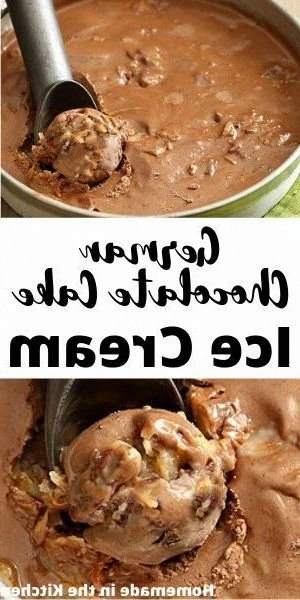
- Once the custard is chilled, pour it into an ice cream maker and churn according to the manufacturer’s instructions. During the last five minutes of churning, gently fold in the toasted coconut, pecans, and German chocolate cake crumbs. The ice cream will begin to thicken into a soft‑serve consistency.
- Transfer the ice cream to an airtight container and smooth the surface with a spatula. Freeze for at least 4 hours to achieve a firm yet scoopable texture. If you prefer a softer consistency, let it sit at room temperature for 10 minutes before serving.
- Optional: Swirl in the German chocolate frosting by gently folding it in during the last stage of churning. The frosting will create a marbled effect and add a buttery chocolate layer that complements the crumbs.
That’s it — you did it. But hold on, I've got a few more tricks that'll take this to another level...
Insider Tricks for Flawless Results
The Temperature Rule Nobody Follows
Many bakers overlook the importance of temperature when chilling the custard. The ideal is to chill the mixture to 40°F (4°C) before churning. I’ve found that a temperature too low makes the ice cream freeze too quickly, causing ice crystals. Keep the mixture cool but not frozen; this ensures a silky finish.
Why Your Nose Knows Best
Smell is your most reliable indicator of progress. When the custard is ready, the aroma should be a rich, sweet chocolate with a hint of vanilla. If you still smell raw milk, give it another 10 minutes on the stove. Trust your nose, not the clock.
The 5-Minute Rest That Changes Everything
After churning, let the ice cream rest for 5 minutes before freezing. This brief pause allows the mixture to settle and prevents the formation of large ice crystals. I’ve seen even small differences in texture when I skip this step.
Stir, Don’t Freeze
During the first freeze cycle, stir the ice cream every 15 minutes if you’re not using an ice cream maker. This manual stirring breaks up ice crystals and keeps the texture smooth. It’s a simple trick that saves you from a rocky dessert.
Keep the Crumbs Dry
Moisture is the enemy of crunch. Store your German chocolate cake crumbs in an airtight container away from humidity. If the crumbs start to clump, gently pulse them in a food processor to restore their texture.
Creative Twists and Variations
This recipe is a playground. Here are some of my favorite ways to switch things up:
Chocolate‑Mint Fusion
Swap the vanilla extract with 1 teaspoon of peppermint extract. The mint pairs beautifully with the chocolate, creating a refreshing aftertaste that’s perfect for summer parties.
Nutty Banana Crunch
Fold in ripe banana slices and chopped walnuts during the last churning stage. The banana adds natural sweetness, while walnuts provide a hearty crunch that contrasts the creamy base.
Espresso Explosion
Stir in 1 tablespoon of instant espresso powder into the custard. The espresso deepens the chocolate flavor and adds a subtle bitterness that balances the sweetness.
Raspberry Ripple
Swirl in a raspberry coulis during the final minutes of churning. The bright berry flavor cuts through the richness and adds a pop of color.
Almond Joy Delight
Replace the pecans with toasted almonds and add a tablespoon of shredded coconut milk to the custard. This variation gives a tropical twist reminiscent of an almond joy bar.
Caramel Swirl
Fold in a light caramel sauce after the ice cream has frozen but before serving. The caramel adds a buttery sweetness that pairs well with the chocolate and nuts.
Storing and Bringing It Back to Life
Fridge Storage
Keep the ice cream in an airtight container in the freezer. For best texture, consume within two weeks. If the surface develops ice crystals, gently stir before serving.
Freezer Friendly
Store in a deep freezer to prevent thawing and refreezing cycles. If you need to thaw for a few minutes, let it sit at room temperature for 5–10 minutes, then stir to redistribute the cream.
Best Reheating Method
When refreezing after a partial melt, add a splash of whole milk to the mixture before placing it back in the freezer. The milk steams back to perfection, restoring the creamy texture.