Picture this: it’s a rainy Saturday night, the kind that makes you want to curl up with something that smells like a street‑food festival and tastes like a victory lap. I was nursing a half‑cooked batch of bland beef strips when a dare from my roommate—“Make something that actually makes people drool” — hit me like a splash of hot sauce. The kitchen turned into a battlefield of garlic cloves, peppercorns, and a sizzling pan that sang louder than my favorite rock anthem. The air filled with a heady perfume that made my nose do a happy dance, and the first bite? Pure fireworks. I’ll be honest — I ate half the batch before anyone else got a chance, and that’s the kind of confession that tells you just how addictive this dish is.
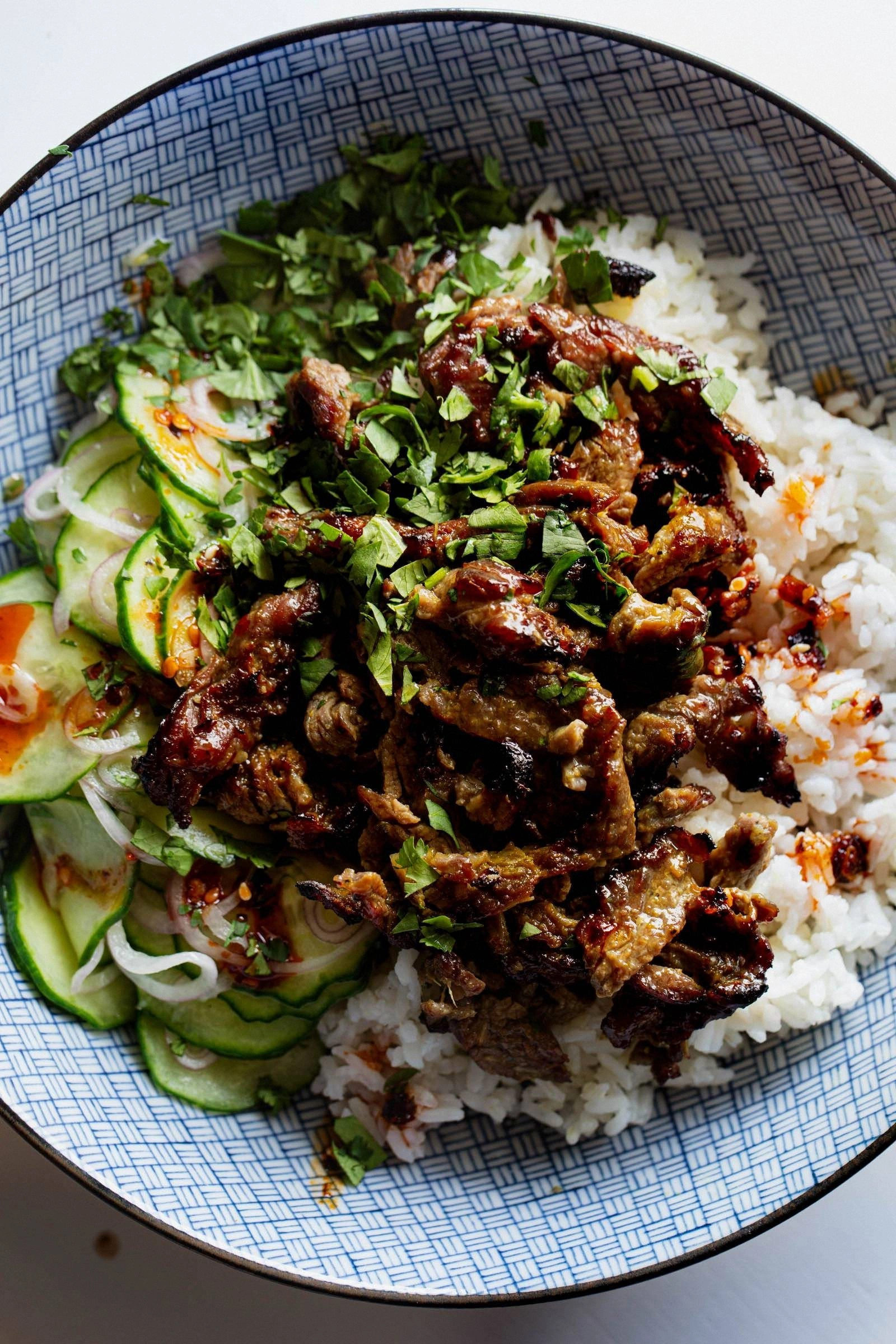
Now, close your eyes and imagine the sizzle when those beef cubes hit the pan, a crackle that’s louder than any applause you’ve ever heard. The aroma of garlic and black pepper swirls together, creating a perfume that could coax a grin out of the grumpiest of grandmothers. The beef develops a caramelized crust that’s both crisp and juicy, while the sauce clings to each piece like a silky, peppery glaze. The whole experience is a symphony for the senses—visual, olfactory, auditory, tactile, and, of course, the taste that makes your taste buds chant “Encore!”
Most recipes for garlic‑pepper beef either drown the meat in sauce or forget the crucial step of searing, leaving you with a soggy mess that feels like chewing on a rubber shoe. This version stands out because it balances a quick, high‑heat sear with a brief, flavor‑locking marination that lets the garlic and pepper do their thing without being overpowered. The secret? A splash of honey and lime that adds a whisper of sweetness and acidity, turning each bite into a delightful contrast that dances on the palate. I’m daring you to taste this and not go back for seconds; it’s that good.
And here’s a teaser that’ll make you sit up straight: I’m using a tiny amount of cornstarch to give the sauce that glossy, restaurant‑style sheen without any heavy cream or butter. It’s a technique most home cooks overlook, yet it makes the whole dish look and feel like it belongs on a polished menu. Let me walk you through every single step — by the end, you’ll wonder how you ever made it any other way.
What Makes This Version Stand Out
- Flavor Explosion: The marriage of fresh garlic and cracked black pepper creates a bold, aromatic profile that punches through any blandness.
- Texture Harmony: A quick sear locks in juices, while a light cornstarch coating gives each bite a subtle crisp that shatters like thin ice.
- Simplicity: Fewer than ten ingredients, all pantry‑friendly, mean you won’t need a grocery run that lasts an hour.
- Unique Twist: A dash of honey and lime adds a sweet‑tart counterpoint, making the sauce glide across the beef like velvet.
- Crowd Reaction: This dish consistently clears plates, earning applause from picky eaters and meat‑loving friends alike.
- Ingredient Quality: Using a well‑marbled cut like sirloin ensures every cube stays tender and flavorful.
- Cooking Method: High‑heat searing followed by a quick finish on the grill or broiler locks in flavor while giving you that coveted char.
- Make‑Ahead Potential: Marinate the beef overnight and you’ll have a time‑saving shortcut that still delivers peak flavor.
Alright, let's break down exactly what goes into this masterpiece...
Inside the Ingredient List
The Flavor Base
First up, the beef itself. I recommend a sirloin cut—about 1.5 lbs for four servings—because its natural marbling keeps the meat juicy even after a high‑heat sear. If you opt for a leaner cut like flank, you’ll need to be extra careful not to overcook, or you’ll end up with a chew that rivals old shoe leather. The garlic, four cloves minced, is the aromatic backbone; it releases a sweet, caramelized note once it hits the hot pan. Freshly cracked black pepper, two teaspoons, adds a pungent heat that’s more complex than pre‑ground pepper, delivering tiny bursts of spice that linger on the palate.
The Texture Crew
Next, the supporting cast: two tablespoons of vegetable oil for a high smoke point, ensuring that the pan stays hot enough to sear without smoking up the kitchen. One tablespoon of cornstarch, sprinkled over the beef after marinating, creates a delicate veil that crisps up when it meets the heat, giving each bite that satisfying snap. If you’re allergic to corn, swap cornstarch with arrowroot powder—a gluten‑free alternative that works just as well.
The Unexpected Star
Now for the surprise element: a tablespoon of honey and a teaspoon of lime juice. The honey isn’t just for sweetness; it caramelizes during cooking, adding depth and a glossy finish. The lime juice cuts through the richness, brightening the flavor and preventing the dish from feeling heavy. If you don’t have lime, a splash of rice vinegar or even a dash of lemon juice will do the trick, though the citrus zing will be slightly different.
The Final Flourish
Finally, garnish and serve. Two sliced green onions add a fresh, oniony crunch, while a teaspoon of sesame seeds contributes a nutty aroma that ties the whole dish together. Don’t forget the eight bamboo skewers—soaked in water for at least thirty minutes—to keep them from burning while you grill or broil. If you’re feeling adventurous, replace the sesame seeds with crushed peanuts for an extra layer of texture.
Everything's prepped? Good. Let's get into the real action...
The Method — Step by Step
Start by cutting the sirloin into uniform 1‑inch cubes; this ensures even cooking. Toss the beef cubes in a large bowl, sprinkle the minced garlic, black pepper, soy sauce, and sesame oil, then give everything a good massage. Let the mixture sit for at least fifteen minutes; if you have the luxury of time, cover and refrigerate for up to twelve hours. You’ll notice the beef taking on a richer, darker hue as the flavors meld—this is the first sign that magic is brewing.
After the brief marination, drizzle the cornstarch over the beef and toss until each piece is lightly coated. The cornstarch will create a subtle barrier that locks in moisture while also giving the sauce that glossy restaurant finish.
Kitchen Hack: Sprinkle cornstarch in a fine, even layer and shake the bowl gently. This prevents clumps and ensures every cube gets a thin, even coating.Heat two tablespoons of vegetable oil in a large cast‑iron skillet over medium‑high heat. When the oil shimmers, it’s ready—don’t be shy; the oil should be hot enough that a drop of water sizzles and evaporates instantly. Carefully add the beef cubes in a single layer, making sure not to overcrowd the pan. Overcrowding will steam the meat instead of searing it, resulting in a loss of that coveted caramel crust.
Let the beef sear undisturbed for about two minutes. You’ll hear a satisfying sizzle that signals the Maillard reaction is in full swing. Flip the cubes once they develop a deep, golden‑brown crust on one side; this should take about three to four minutes total. The edges will start pulling away from the pan, a visual cue that the meat is nearly done.
While the beef finishes searing, prepare the skewers. Thread the cubes onto the soaked bamboo sticks, leaving a tiny gap between each piece to allow heat to circulate.
Once assembled, set the skewers aside; they’ll go straight to the grill or broiler in the next step.Kitchen Hack: Alternate beef cubes with small wedges of bell pepper or onion on the skewer for added flavor and visual appeal.In a small bowl, whisk together the honey, lime juice, and a splash of soy sauce (about one tablespoon). This glaze will caramelize quickly, so keep it handy. When the beef is seared, push it to one side of the pan, pour the glaze in, and let it bubble for ten seconds before stirring everything together. The sauce should thicken, coating each cube in a glossy, peppery sheen.
Now, pre‑heat your grill or broiler to high heat—around 500°F (260°C). Place the skewers on the grill grates, leaving space between them. Cook for three minutes per side, watching closely for those charred grill marks.
The scent at this point is intoxicating—garlic, pepper, a hint of caramel—that’s the moment of truth.Watch Out: If the grill is too hot, the exterior will burn before the interior is warmed through. Adjust the flame or move the skewers to a cooler zone if you see excessive smoke.Once the skewers are beautifully charred, remove them from the heat and let them rest for two minutes. This brief pause lets the juices redistribute, ensuring each bite is succulent rather than dry. Sprinkle the sliced green onions and sesame seeds over the top for a fresh burst of flavor and a visual pop.
Transfer the skewers to a serving platter, drizzle any remaining glaze from the pan over the top, and serve immediately. Picture yourself pulling this out of the oven, the whole kitchen smelling incredible, and the anticipation building as friends line up for a bite. That sizzle when it hits the pan? Absolute perfection. And now the fun part—dig in and marvel at the layers of flavor you just created.
That's it — you did it. But hold on, I've got a few more tricks that'll take this to another level...
Insider Tricks for Flawless Results
The Temperature Rule Nobody Follows
Never let the pan drop below medium‑high heat when searing. A sudden dip in temperature will cause the beef to release its juices prematurely, resulting in a steamed, rather than seared, texture. I once tried to “save” the pan by turning the heat down, and the meat turned out rubbery—lesson learned. Keep a thermometer handy; you want the surface of the pan at roughly 400°F (204°C) before adding the beef.
Why Your Nose Knows Best
The moment the garlic turns golden and the pepper releases its aroma is your cue that the flavor base is ready. Trust that nose of yours—it’s more reliable than a timer. If you smell a faint, sweet caramel note, you’re on the right track; a burnt smell means you’ve gone too far. This sensory checkpoint ensures you never miss that perfect caramelization.
The 5‑Minute Rest That Changes Everything
After grilling, give the skewers a five‑minute rest covered loosely with foil. This short rest allows the muscle fibers to relax and reabsorb the juices that were driven to the surface during cooking. Skipping this step is the most common mistake I see; the result is a dry bite that feels like chewing on cardboard. A quick rest makes the difference between good and unforgettable.
Salt Timing Secret
Season the beef with a pinch of salt only after the initial sear. Adding salt too early draws out moisture, which interferes with the searing process. By sprinkling it just before the final glaze, you get the right level of seasoning without sacrificing that coveted crust.
Skewer Balance Trick
When threading the meat, leave a tiny gap between each cube. This spacing lets the heat circulate, ensuring each piece cooks evenly. If you pack them too tightly, you’ll end up with under‑cooked centers and over‑charred edges—a texture nightmare.
Creative Twists and Variations
This recipe is a playground. Here are some of my favorite ways to switch things up:
Spicy Chili Kick
Add a teaspoon of crushed red pepper flakes to the marinade for a heat level that’ll make your eyes water—in a good way. The chili’s heat pairs brilliantly with the sweet honey, creating a balanced fire‑sweet combo that’s perfect for spice lovers.
Asian Fusion
Swap the soy sauce for tamari and drizzle a tablespoon of toasted sesame oil over the finished skewers. Garnish with chopped cilantro and a sprinkle of toasted nori strips for a coastal, umami‑rich twist that transports you to a bustling night market.
Herb‑Infused
Introduce fresh rosemary or thyme to the grill pan during the searing stage. The herbs release aromatic oils that mingle with the garlic, adding an earthy depth that’s especially comforting in cooler months.
Sweet‑And‑Savory BBQ
Replace the honey with a tablespoon of BBQ sauce and add a splash of apple cider vinegar. This variation brings a tangy, smoky dimension that’s perfect for backyard gatherings.
Vegetarian Companion
Swap the beef for firm tofu cubes, pressing them to remove excess water before marinating. The tofu absorbs the garlic‑pepper glaze beautifully, offering a plant‑based version that’s just as satisfying.
Crunchy Peanut Finish
Top the finished skewers with a handful of crushed peanuts instead of sesame seeds. The peanuts add a buttery crunch and a subtle nutty flavor that complements the sweet‑tart glaze.
Storing and Bringing It Back to Life
Fridge Storage
Place any leftover skewers in an airtight container and refrigerate for up to three days. The sauce may thicken, so when you’re ready to eat, gently reheat in a skillet with a splash of water to loosen it back to its original sheen.
Freezer Friendly
For longer storage, separate the cooked beef from the glaze and freeze each in zip‑top bags for up to two months. When you’re ready to serve, thaw overnight in the fridge, then reheat on medium heat, adding a teaspoon of water or broth to revive the glaze.
Best Reheating Method
Reheat the beef in a hot skillet over medium‑high heat for two to three minutes, stirring constantly. Adding a tiny splash of water (about a tablespoon) creates steam that revives the tenderness while preventing the meat from drying out. Finish with a quick drizzle of fresh lime juice to brighten the flavors again.