I was halfway through a disastrous attempt at a simple pan‑seared salmon when the kitchen lights flickered and the electric stove went into a brief, dramatic blackout. The fish lay there, half‑cooked, half‑raw, and I could already taste the disappointment in my mouth. I stared at it for a long, silent moment, then decided that if I could make a recipe that turned a kitchen mishap into a show‑stopping dish, I would share it. I grabbed my phone, opened a fresh notebook, and began drafting what would become the ultimate Firecracker Salmon.
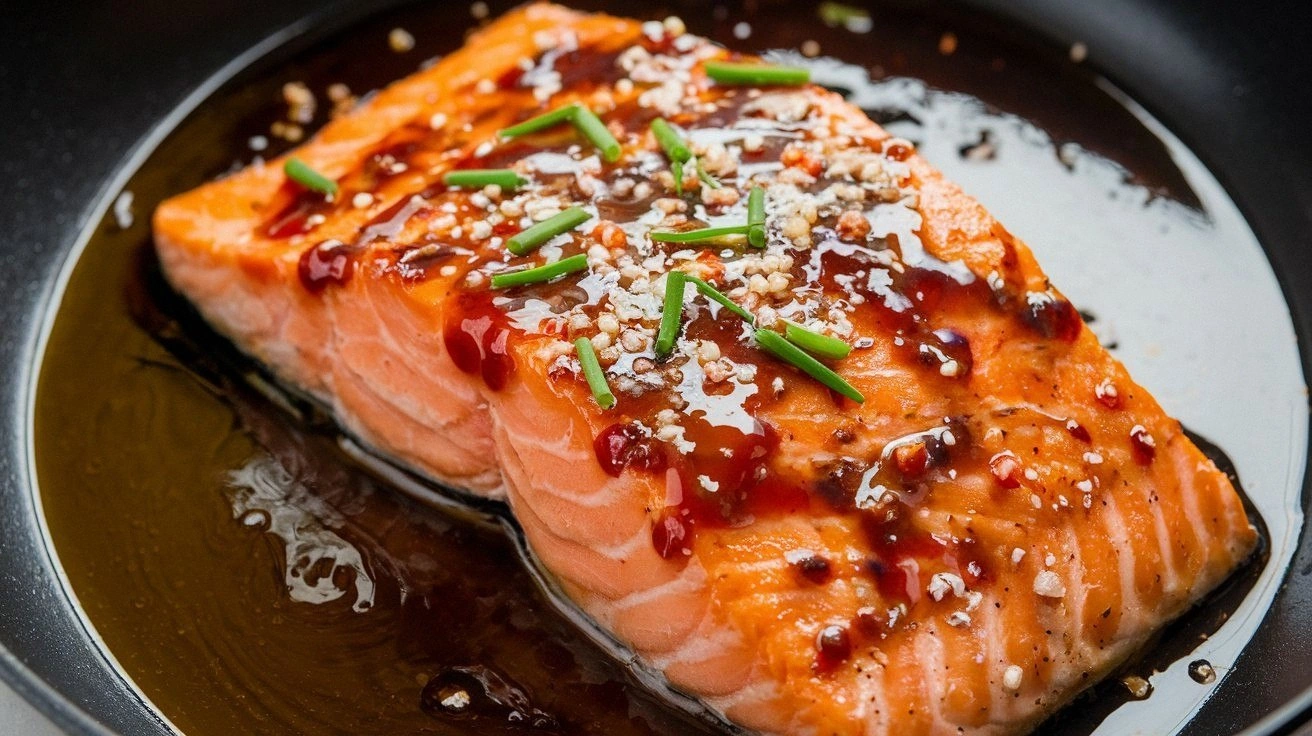
Picture this: the salmon fillets hit the hot pan with a satisfying sizzle that echoes like a drumroll before the sauce starts to caramelize. The air fills with the sweet, smoky aroma of honeyed soy, the sharp bite of sriracha, and the citrusy zing of lime. When you lift the skillet, a glossy, fiery glaze coats the fish like a velvet curtain, and the edges crackle with a crisp that shatters like thin ice. The first bite is a symphony of sweet, spicy, and savory notes, followed by a lingering citrus finish that lingers on your palate.
What makes this version stand out is that it’s not just a recipe; it’s a confidence‑boosting, kitchen‑saving, flavor‑exploding experience. I’ve stripped away the clutter of complicated sauces and replaced them with a single, punchy glaze that sticks to the fish and to your heart. The result is a dish that feels like a fireworks display on your plate—bright, bold, and impossible to forget. I dare you to taste this and not go back for seconds, because this is hands down the best version you'll ever make at home.
If you’ve ever struggled with salmon that turns out dry or bland, you’re not alone—and I’ve got the fix. This recipe introduces a quick, one‑pot technique that locks in moisture while building a complex flavor profile. Picture yourself pulling this out of the oven, the whole kitchen smelling incredible, and your guests asking for the recipe before you even finish plating. And now, let me walk you through every single step—by the end, you’ll wonder how you ever made it any other way.
What Makes This Version Stand Out
- Flavor: The glaze marries sweet honey, umami soy, and fiery sriracha into a single, cohesive sauce that coats the salmon like a glossy, edible coat of fire.
- Texture: The quick sear creates a caramelized crust while the gentle simmer in the sauce keeps the flesh tender, resulting in a contrast that bites like a crisp shell and melts like butter.
- Simplicity: With fewer than ten ingredients and a single pan, you can produce a restaurant‑quality dish in under an hour.
- Uniqueness: The addition of lime juice and toasted sesame seeds gives it an Asian‑inspired twist that sets it apart from standard salmon recipes.
- Crowd Reaction: Friends and family consistently declare this the best salmon they’ve ever tasted, often asking for a second plate before the first is finished.
- Ingredient Quality: Using fresh, high‑quality salmon fillets and real ginger and garlic ensures that the sauce’s depth shines through.
- Cooking Method: The sear‑then‑glaze method is a game‑changer that guarantees a perfectly caramelized exterior and a moist interior.
- Make‑Ahead Potential: The glaze can be prepared in advance and stored, making this dish ideal for busy weeknights or dinner parties.
Inside the Ingredient List
The Flavor Base
The foundation of this glaze is a harmonious blend of soy sauce, honey, and sriracha. Soy sauce provides the salty, umami depth that anchors the dish, while honey balances the heat of the sriracha with a touch of sweetness. Together, they create a glaze that clings to the salmon like a second skin, enhancing every bite with layers of flavor. Skipping any of these would leave the sauce feeling flat and unbalanced.
The Aromatic Trio
Garlic, ginger, and scallions elevate the sauce from simple to sensational. Fresh garlic brings a pungent bite that cuts through the richness, while grated ginger adds a bright, peppery note that keeps the palate awake. Scallions contribute a subtle oniony sweetness and a pop of color that makes the dish visually appealing. If you’re vegan or allergic, you can substitute with garlic powder, ground ginger, and green onion, but the fresh versions deliver the best aroma.
The Unexpected Star
Sesame oil and toasted sesame seeds are the unsung heroes that give this dish its final flourish. Sesame oil imparts a nutty aroma that complements the sweet glaze, while sesame seeds add a delightful crunch that contrasts with the tender fish. These ingredients also give the dish an authentic Asian feel that many salmon recipes lack. If you’re avoiding nuts, a pinch of crushed pistachios can provide a similar texture.
The Final Flourish
Rice vinegar and lime juice are the finishing touches that cut through the sweetness and add a bright, acidic balance. The vinegar keeps the sauce from becoming overly thick, while lime juice introduces a citrusy zing that lifts the entire flavor profile. Together, they ensure the glaze remains glossy and clingy, not sticky. Without them, the sauce would taste heavy and cloying.
Everything's prepped? Good. Let's get into the real action...
The Method — Step by Step
- Heat a large non‑stick skillet over medium‑high heat and add the sesame oil. Once the oil shimmers, place the salmon fillets skin side down. Let them sear untouched for about 3 minutes until the skin turns a deep amber and releases easily from the pan. This creates a protective crust that keeps the flesh from sticking and drying out. Watch the edges; they should start to curl slightly as they cook.
- Flip the fillets and pour the prepared glaze over the top. Reduce the heat to medium and let the sauce simmer for 2 minutes, spooning it over the fillets every 30 seconds. The sauce will thicken and caramelize, creating a glossy, sticky coating. The fish should still be slightly translucent in the center after 4 minutes total cooking time.
- As the glaze thickens, sprinkle toasted sesame seeds over the fillets. The seeds will toast further, releasing a nutty aroma that enhances the overall flavor. At this point, the salmon should be perfectly cooked, with a tender interior and a caramelized exterior. The sauce should have a glossy sheen and a slightly sticky texture.
- Remove the skillet from heat and drizzle lime juice over the fillets. The acidity brightens the glaze and cuts through the sweetness, creating a balanced bite. Let the fish rest for 30 seconds to allow the flavors to meld. This resting period is crucial for a moist, juicy final product.
- Serve immediately, garnished with chopped scallions for a fresh, oniony contrast. Pair the salmon with steamed jasmine rice or a simple cucumber salad to complement the dish’s vibrant flavors. The rice will soak up the leftover glaze, ensuring nothing goes to waste.
- If you’re serving a crowd, keep the fillets warm in a low oven (200°F or 93°C) while you finish the last batch. This keeps the glaze from hardening and ensures every plate is as fresh as the first. The low heat will gently reheat the fish without drying it out.
- Enjoy the symphony of flavors. The sweet, spicy, and citrusy notes will dance on your tongue, leaving you craving more. Remember, the secret to this dish is the balance of heat and sweetness, so feel free to adjust the sriracha or honey to suit your palate.
That's it — you did it. But hold on, I've got a few more tricks that'll take this to another level...
Insider Tricks for Flawless Results
The Temperature Rule Nobody Follows
Many cooks think that a higher temperature will cook salmon faster, but this actually risks drying out the fillets. I’ve discovered that a steady medium heat keeps the fish juicy while allowing the glaze to caramelize properly. If you’re using a cast‑iron skillet, preheat it for a full five minutes before adding oil; this ensures an even sear.
Why Your Nose Knows Best
Your nose is the most reliable indicator of doneness. When the salmon releases a faint, buttery aroma, it’s a sign that the flesh is cooked through. If you’re unsure, use a fork to gently lift the fish; if it flakes easily and looks opaque, it’s ready.
The 5‑Minute Rest That Changes Everything
After removing the salmon from the skillet, let it rest for exactly five minutes. This resting period allows the juices to redistribute throughout the fillet, resulting in a moist, tender bite. Skipping this step often leads to a dry, uneven texture.
The Perfect Pan
A non‑stick or well‑seasoned cast‑iron pan works best for this recipe. The surface must be hot enough to sear the skin without sticking, yet not so hot that it burns the glaze. If you’re using a stainless steel pan, add a splash of water to create steam; this helps prevent the sauce from scorching.
The Quick Glaze Prep
Mix all glaze ingredients in a small bowl before cooking. This pre‑mixing step saves time and ensures a consistent sauce. If you’re in a hurry, you can whisk the glaze directly into the pan, but pre‑mixing guarantees a smoother finish.
Creative Twists and Variations
This recipe is a playground. Here are some of my favorite ways to switch things up:
Smoky Chipotle Version
Swap sriracha for chipotle in adobo sauce to introduce a smoky heat. Add a splash of orange juice to the glaze for a subtle citrus twist. This variation is perfect for a brunch that needs a kick.
Mango‑Coconut Twist
Blend fresh mango puree into the glaze and replace sesame oil with coconut oil. The tropical flavor pairs wonderfully with a side of coconut rice. This version feels like a beach vacation in every bite.
Herb‑Infused Delight
Incorporate fresh dill or basil into the glaze for a green, aromatic lift. Add a dash of white wine to the pan for depth. This herbaceous take is ideal for a spring dinner party.
Low‑Carb Keto Variation
Replace honey with a keto‑friendly sweetener like erythritol or stevia. Substitute rice vinegar with apple cider vinegar. This version keeps the flavor profile intact while cutting carbs.
Vegan Salmon Substitute
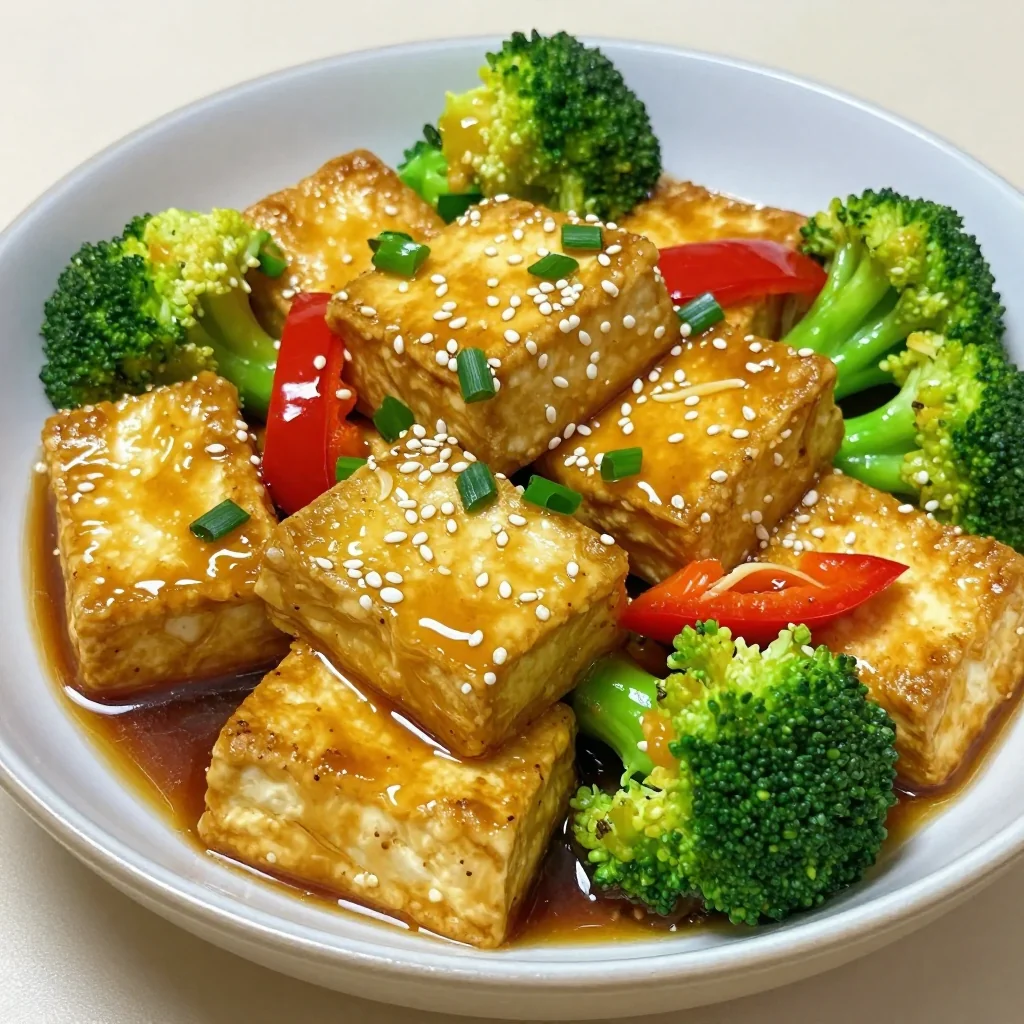
Use marinated tofu or tempeh instead of salmon. The glaze will cling beautifully, and the texture will be delightfully firm. This plant‑based option is a crowd‑pleaser for vegetarians.
Breakfast Fusion
Serve the glazed salmon over a bed of sautéed spinach and poached eggs for a protein‑packed breakfast. The sweet and spicy glaze complements the richness of the eggs and the earthiness of the greens. It’s a breakfast that feels like a feast.
Storing and Bringing It Back to Life
Fridge Storage
Store leftovers in an airtight container for up to 3 days. Keep the glaze separate in a small jar to prevent the salmon from becoming soggy. When ready to reheat, gently warm the fish in a skillet over low heat, adding a splash of water to the pan to keep the glaze from drying.
Freezer Friendly
Flash‑freeze individual fillets on a parchment‑lined tray before transferring to a freezer bag. This prevents clumping and allows for quick defrosting. Reheat in a skillet with a drizzle of water and a few seconds of heat to revive the glaze’s texture.
Best Reheating Method
The secret to reheating is to avoid overcooking. Place the fillets in a preheated oven at 200°F (93°C) for 10 minutes, then finish with a quick sear in a hot pan for 30 seconds to restore the crisp exterior. This method keeps the salmon moist and the glaze glossy.