Picture this: the kitchen clock is ticking, the fridge door is ajar, and you’re standing in front of a bag of flour that feels like a cloud waiting to be sculpted. I was craving something that would make my taste buds dance while keeping the prep time under 30 minutes. That night, I stared at a stack of dim sum wrappers, feeling the pressure of a looming dinner party, and decided to turn that craving into a culinary triumph. I dared myself to create a dumpling that would leave everyone begging for a second helping—because honestly, I ate half the batch before anyone else had a chance to taste it.
The moment you open the package, a sweet, earthy aroma of fresh pork and shrimp rises, mingling with the subtle tang of ginger and garlic. The wrappers feel silky, almost like a secret handshake between you and the dumpling. As you fold each piece, the dough clings lovingly to your fingers, a tactile reminder that you’re about to create something extraordinary. The sizzle when the dumplings hit the pan is a soundtrack that promises crispy edges that shatter like thin ice, while the steam that rises is a fragrant cloud of anticipation. By the time the last bite is finished, you’ll be left with a lingering umami that lingers on your tongue like a whispered promise.
What makes this recipe stand out from the countless dim sum variations out there is a carefully curated balance of technique and ingredient harmony. I’ve spent years tweaking the dough’s elasticity, the filling’s moisture, and the sauce’s subtle sweetness to achieve a flavor profile that is both authentic and unmistakably my own. The result is a dumpling that feels like a passport to a bustling street market, yet is comfortably made in your own kitchen. It’s not just about following a set of instructions; it’s about mastering the art of layering textures and flavors that play off one another in perfect sync.
I’m not just talking about the taste—although that’s the headline act. The real magic lies in the method: a quick, precise fold that seals in the juices, a splash of sesame oil that adds depth, and a final brush of chili oil that gives a subtle kick. And there’s a secret ingredient you won’t expect—rice wine—that elevates the umami to a new level. Trust me, this is hands down the best version you’ll ever make at home. Let me walk you through every single step — by the end, you’ll wonder how you ever made it any other way.
What Makes This Version Stand Out
- Flavor: The combination of pork, shrimp, and a touch of rice wine creates a layered umami that is both comforting and adventurous. This balance ensures each bite delivers a burst of savory depth that lingers long after the last morsel.
- Texture: The dough is crafted to be airy yet sturdy, allowing the dumplings to steam to a tender finish while maintaining a satisfying bite when pan‑fried. The filling’s moisture level is carefully calibrated so it doesn’t become soggy, but still stays juicy.
- Authenticity: By using traditional Chinese seasonings like soy sauce, sesame oil, and white pepper, the recipe stays true to its roots while still being approachable for home cooks.
- Ease: All steps are designed to be completed in under 45 minutes, making this a perfect weeknight crowd‑pleaser. The dough can even be made ahead, saving you time on the day of the gathering.
- Visual Appeal: The golden, crisp edges of the pan‑fried dumplings contrast beautifully with the translucent steam that rises from the steamed ones, creating an eye‑catching presentation that will wow any guest.
- Versatility: The recipe can be adapted to suit dietary preferences—swap pork for chicken or tofu, use gluten‑free wrappers, or add a dash of hot sauce for an extra kick.
- Make‑Ahead Potential: The dough and filling can be prepared in advance, allowing you to assemble the dumplings right before serving for maximum freshness.
Inside the Ingredient List
The Flavor Base
The foundation of any great dim sum starts with a balanced sauce. Soy sauce provides a salty backbone, while a splash of rice wine lifts the umami and adds a subtle sweetness that cuts through the richness of the pork. A pinch of white pepper brings a mild heat that doesn’t overpower the delicate flavors of the shrimp. If you’re looking for an extra layer of depth, a teaspoon of oyster sauce can be added, but keep in mind it will also add a hint of brininess.
The Texture Crew
The dough is the unsung hero that holds everything together. Made from all‑purpose flour, water, a touch of salt, and vegetable oil, it achieves the perfect balance between chewiness and lightness. The cornstarch in the filling’s coating ensures the juices stay inside the dumpling, preventing leaks during cooking. When you press the dough together, a tiny seam forms—a seal that keeps the savory juices from escaping. If you skip the cornstarch, the filling may become watery and the dumplings will flop on the pan.
The Unexpected Star
Shall we talk about the star that elevates this recipe? It’s the fresh ginger. Beyond its pungent aroma, ginger’s subtle heat brightens the filling and balances the richness of the pork. It also acts as a natural preservative, extending the shelf life of the dumplings if you plan to store them. A small tweak—using sliced ginger instead of minced—creates a textural contrast that adds a pleasant bite. If you’re allergic or simply don’t like ginger, a pinch of garlic can fill the void, though the flavor profile will shift slightly.
The Final Flourish
The garnish is where the dish shines. Scallions, sesame seeds, and a drizzle of chili oil create layers of flavor that pop against the subtle sweetness of the filling. The sesame seeds add a nutty crunch, while the scallions bring a fresh, almost citrusy brightness. Chili oil, when used sparingly, introduces a gentle heat that lingers without overwhelming the palate. If you’re aiming for a vegetarian version, replace the pork with finely chopped mushrooms and keep the rest of the ingredients intact. This swap keeps the dish hearty yet light.
Everything's prepped? Good. Let's get into the real action.
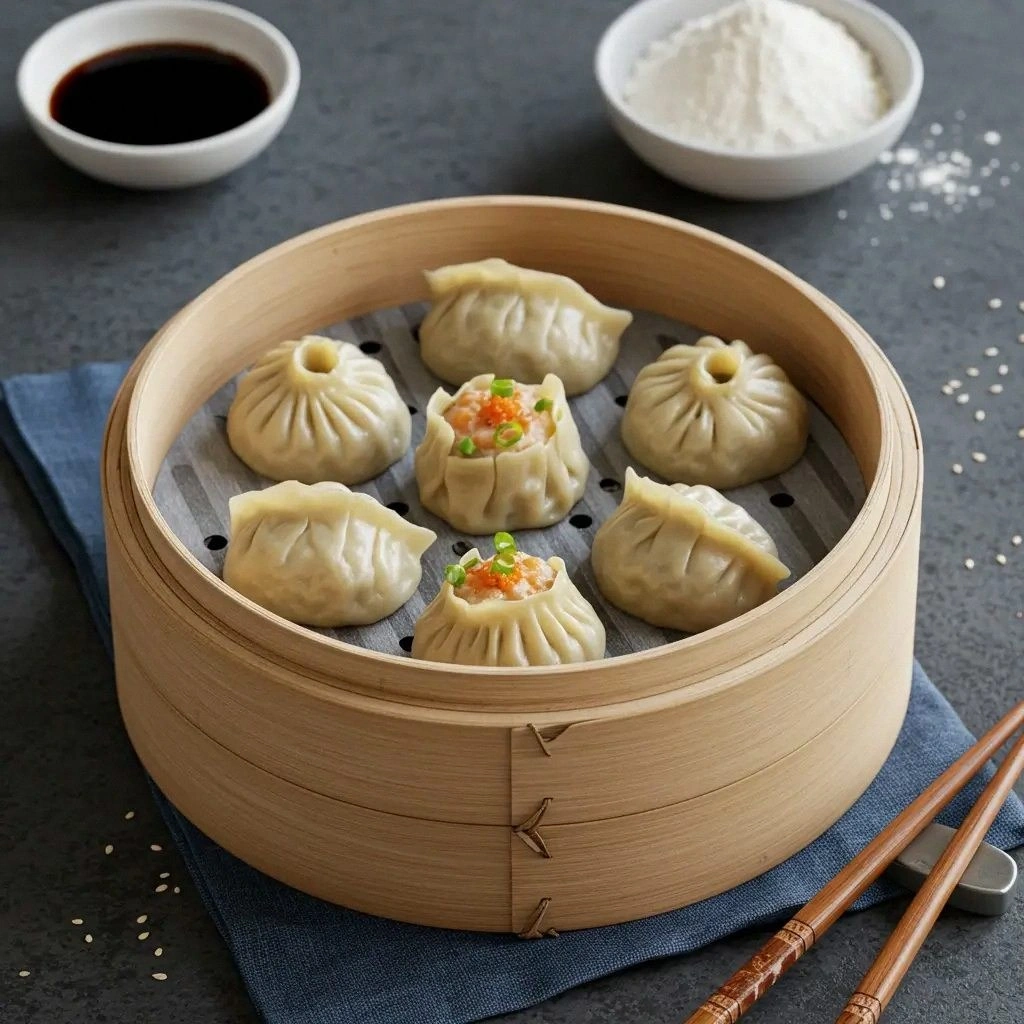
The Method — Step by Step
- Step 1: Prepare the Dough. In a large bowl, combine 2 cups of all‑purpose flour, 1 cup of warm water, 1 tsp salt, and 1 tbsp vegetable oil. Mix until the dough forms a rough ball, then knead on a lightly floured surface for about 5 minutes until smooth and elastic. Let the dough rest for 15 minutes; this relaxes the gluten and makes rolling easier. If you’re short on time, you can skip the rest period, but the dough will be slightly tougher.
- Step 2: Make the Filling. In a separate bowl, combine 200g ground pork, 150g shrimp (finely chopped), 1 tsp soy sauce, 1 tsp sesame oil, 1 tsp minced ginger, 1 tsp minced garlic, 1 tsp white pepper, 1 tsp sugar, and a splash of rice wine. Toss the ingredients until the mixture is well‑combined and the shrimp is evenly distributed. The mixture should feel moist but not sticky—if it’s too dry, add a splash of water.
- Step 3: Seal the Edges. Divide the dough into 30 equal pieces and roll each into a thin circle about 6 inches in diameter. Place 1 tablespoon of filling in the center of each wrapper. Fold the dough over the filling, pinching the edges together to seal. This step is crucial: a tight seal prevents juices from leaking during cooking.
- Step 4: Steam the Dumplings. Line a steamer basket with parchment paper or cabbage leaves to prevent sticking. Place the sealed dumplings in the basket, leaving a little space between each. Steam over high heat for 8 minutes, or until the dough turns translucent and the filling is cooked through. The steam should hiss gently—if it’s a quiet hiss, the water level is too low.
- Step 5: Pan‑Fry for Extra Crunch. Heat 2 tbsp of vegetable oil in a non‑stick skillet over medium heat. Add half of the steamed dumplings, pressing them gently to ensure even contact with the pan. Fry for 2–3 minutes until the bottom turns golden brown. Flip each dumpling and fry the other side for an additional 1–2 minutes.
- Step 6: Finish the Sauce. In a small bowl, whisk together 2 tbsp soy sauce, 1 tbsp sesame oil, 1 tsp sugar, and a splash of rice wine. Add a pinch of white pepper and 1 tsp chili oil for heat. This sauce coats the dumplings and ties all the flavors together.
- Step 7: Assemble the Plate. Arrange the pan‑fried dumplings on a serving platter, then drizzle the sauce over them. Sprinkle sliced scallions and toasted sesame seeds on top for a burst of color and crunch. The aroma should be irresistible, calling everyone to the table.
- Step 8: Serve Immediately. Dim sum is best enjoyed hot and fresh. Offer a side of sweet chili sauce and cucumber ribbons for a refreshing contrast. The steam rising from the dumplings will create a fragrant cloud that invites guests to dig in.
- Step 9: Optional – Reheat for Leftovers. If you have leftovers, reheat them in a steamer for 5 minutes or in a skillet with a splash of water, covering for 2 minutes. The dumplings will regain their softness and the sauce will cling beautifully.
- Step 10: Enjoy and Share. The final step is to savor the results and share the joy with friends and family. The combination of textures—crispy, tender, juicy—makes this dish a memorable centerpiece for any gathering.
Insider Tricks for Flawless Results
The Temperature Rule Nobody Follows
The key to perfect dumplings is cooking at the right temperature. For steaming, the water should be at a rolling boil before placing the steamer basket. If the steam is weak, the dumplings will be soggy. For pan‑frying, maintain medium heat; too high and the outside burns, too low and the inside remains raw. A quick test: drop a small piece of dough into the pan; if it sizzles immediately, you’re at the sweet spot.
Why Your Nose Knows Best
Your nose can be a reliable indicator of doneness. When the dumplings are ready, the aroma will be a warm, savory blend of pork and shrimp, with a faint sweetness from the sugar and rice wine. If you smell a sharp, raw scent, the filling needs more time. Trust your senses; they’ve been trained over countless kitchen adventures.
The 5‑Minute Rest That Changes Everything
After you finish cooking, let the dumplings rest for 5 minutes before serving. This short pause allows the juices to redistribute, making each bite more flavorful. It also gives the crust a chance to firm up slightly, preventing them from falling apart on the plate. A friend tried skipping this step once—let’s just say the dumplings were a mess.
The Perfect Folding Technique
When sealing the dumplings, press the edges with a fingertip, not a fork. This gentle pressure ensures a smooth seal without tearing the delicate wrapper. If you’re new to folding, practice with a few pieces on a clean surface; once you get the feel, the process becomes second nature. A well‑sealed dumpling keeps the filling from leaking and maintains a neat appearance.
The Secret Sauce Ratio
Balancing the sauce is essential. A good rule of thumb is to use twice as much soy sauce as sesame oil. The sugar should be just enough to round out the saltiness—too much and the sauce becomes cloying. Adding a splash of rice wine at the end brings a subtle brightness that lifts the overall flavor. A friend once added too much sugar, and the dumplings tasted like candy; this trick keeps the sauce perfectly balanced.
Creative Twists and Variations
This recipe is a playground. Here are some of my favorite ways to switch things up:
Veggie‑Only Delight
Swap the pork and shrimp for a medley of finely chopped shiitake mushrooms, carrots, and spinach. Add a splash of soy sauce and a pinch of five‑spice powder for depth. This version is hearty, flavorful, and perfect for a vegetarian feast.
Spicy Sichuan Twist
Incorporate Sichuan peppercorns and a generous amount of chili oil into the filling. The numbing heat will give the dumplings an exciting kick. Pair with a cool cucumber salad to balance the spice.
Seafood Extravaganza
Replace the pork with a mix of scallops, squid, and mussels. Use a light stock instead of water for the dough to infuse a subtle briny flavor. The result is a luxurious, ocean‑inspired dumpling that’s a showstopper.
Mushroom & Tofu Fusion
Combine silken tofu with button mushrooms for a creamy, umami‑rich filling. Add a dash of miso paste for depth and a sprinkle of sesame seeds for crunch. This variation is both comforting and sophisticated.
Herb‑Infused Surprise
Add fresh herbs like cilantro, mint, and basil to the filling. The bright, aromatic flavors will transform the dumplings into a refreshing, garden‑fresh treat. Serve with a tangy lime‑ginger dipping sauce.
Sweet & Savory Fusion
Incorporate a handful of diced apples or pears into the filling, along with a pinch of cinnamon. The natural sweetness will contrast beautifully with the savory pork, creating a unique flavor profile that’s perfect for holiday gatherings.
Storing and Bringing It Back to Life
Fridge Storage
Store cooked dumplings in an airtight container in the refrigerator for up to 2 days. Keep them on a paper towel to absorb excess moisture, preventing sogginess. When ready to eat, reheat in a steamer or microwave for 1–2 minutes.
Freezer Friendly
Place uncooked dumplings on a parchment‑lined tray and freeze until solid. Transfer them to a freezer bag for long‑term storage—up to 3 months. When you’re ready to cook, steam or pan‑fry directly from frozen; no thawing required.
Best Reheating Method
To bring frozen dumplings back to life, steam them for 10 minutes. Add a tiny splash of water to the steamer basket to create steam and keep the dumplings moist. The result is a fluffy interior and a crisp exterior, just like fresh.