Picture this: a cramped apartment kitchen, the clock ticking, and your friends hovering around the stove like a swarm of curious bees. I was halfway through a midnight snack experiment when the shrimp on the counter started to look like a sad, unappetizing lump of seaweed. I dared myself to turn that disaster into a culinary triumph and, honestly, I never looked back. I was determined to craft a dumpling that would make the whole house smell like a seaside market, with a texture that balances a crisp edge against a tender, juicy filling that practically melts in your mouth.
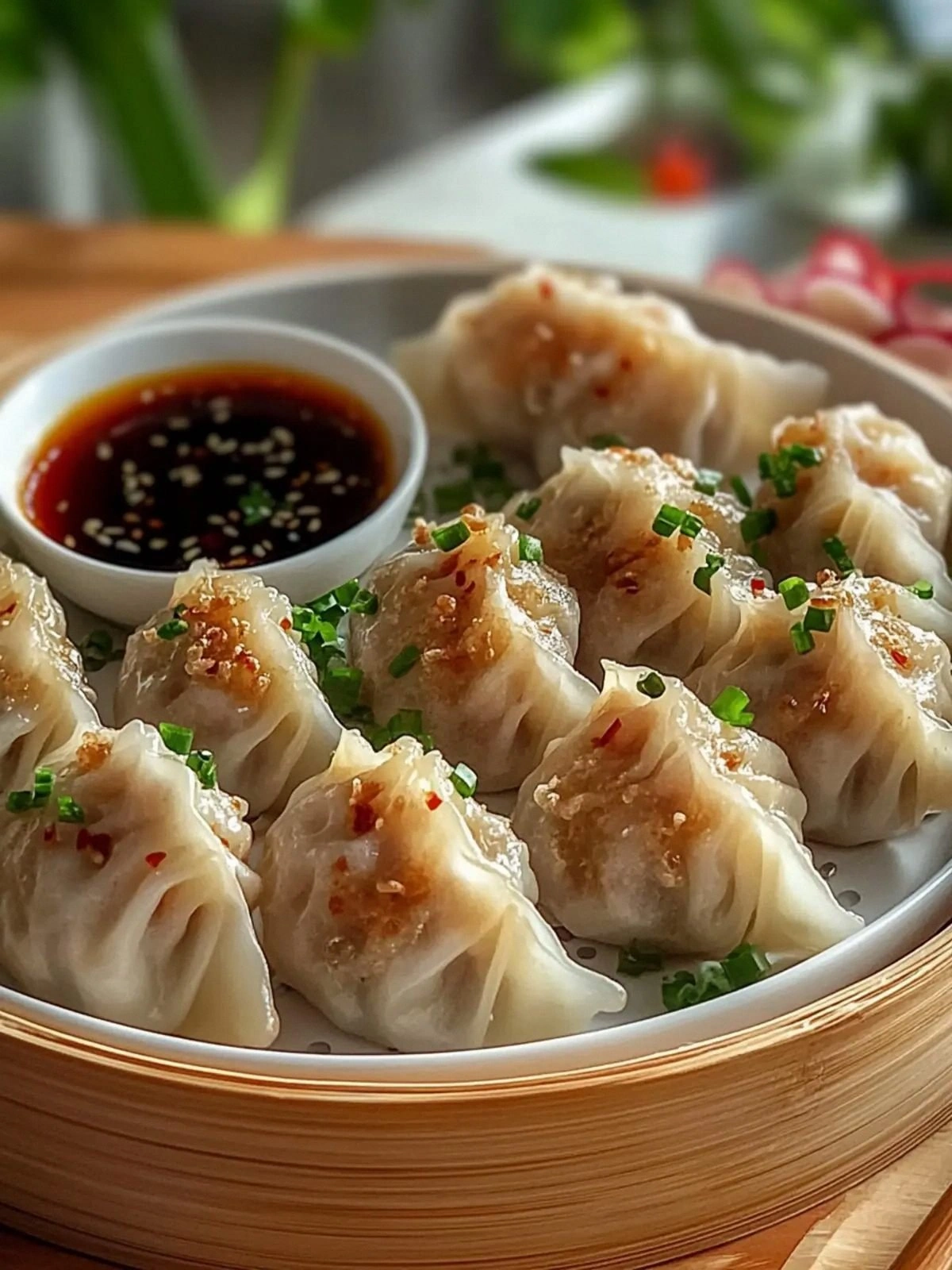
The first bite was a revelation—an explosion of umami that danced with a subtle heat, followed by a whisper of citrus from the vinegar. The wrappers were golden, their edges blistered just enough to give a satisfying snap, and the shrimp was so fresh it sang a note of the ocean. I was so proud that I almost ate a whole batch before anyone else could taste it. That moment was the spark that lit my obsession with shrimp dumplings and the reason I’m writing this recipe for you.
What makes this version stand out isn’t just the ingredients; it’s the meticulous layering of flavors and textures that elevate a simple dumpling into a showstopper. I’ve refined the technique to lock in moisture, added a dash of chili oil that gives a gentle kick, and used a blend of soy sauces that creates depth without overpowering the shrimp. The result? A dumpling that’s hands down the best version you’ll ever make at home. I dare you to taste this and not go back for seconds.
Most recipes get this completely wrong by using too much filling or forgetting the subtle balance of seasonings. I’ve cracked the code on how to keep the wrappers from tearing while still achieving that coveted, slightly chewy center. If you’ve ever struggled with dumpling dough, you’re not alone—and I’ve got the fix. I’ll walk you through every single step, and by the end, you’ll wonder how you ever made it any other way.
What Makes This Version Stand Out
- Flavor: The dual soy sauce blend creates a layered umami profile that’s both savory and slightly sweet, reminiscent of a well-aged broth.
- Texture: The combination of cornstarch and egg white gives the dumpling a silky, almost translucent interior that contrasts with a crisp, caramelized exterior.
- Heat: Chili flakes and chili oil add a controlled heat that warms the palate without overwhelming the delicate shrimp.
- Freshness: Using fresh ginger and green onion keeps the dish bright and prevents the shrimp from tasting flat.
- Ease: The recipe is straightforward—no advanced techniques, just a few simple steps that even a novice can master.
- Make‑ahead: You can assemble the dumplings a day ahead, freeze them, and reheat them to near‑freshness, perfect for busy weeknights.
- Presentation: The golden, slightly blistered edges give a visual appeal that’s Instagram‑ready, while the steam that rises when you dip them is pure theater.
- Versatility: The base can be swapped for different proteins or even a vegetarian filling, making it a staple for any menu.
Inside the Ingredient List
The Flavor Base
Soy sauce is the backbone of this recipe. It provides the deep, salty undertone that complements the briny shrimp. If you’re watching sodium, swap for low‑sodium soy, but keep the ratio the same to preserve the flavor balance.
Rice vinegar adds a bright acidity that cuts through the richness of the shrimp and the oil. Without it, the dumplings would taste flat and heavy. A splash of lime juice can be a fun alternative for a citrusy twist.
The Texture Crew
Cornstarch is the secret weapon that gives the filling a silky, almost translucent quality. It also helps bind the shrimp together so the dumplings hold their shape during steaming or pan‑frying. If you’re gluten‑free, cornstarch is already a perfect match.
Egg white is a classic dumpling binder that adds a subtle richness without overpowering the shrimp. It also gives the dough a glossy sheen when cooked. For a vegan version, substitute with a splash of aquafaba.
The Unexpected Star
Chili flakes and chili oil introduce a layered heat that starts mild and intensifies with each bite. The flakes provide texture, while the oil offers a lingering warmth. If you’re heat‑averse, reduce the amount or omit them entirely.
Fresh ginger brings a zesty bite that awakens the palate. It balances the sweetness of the soy sauce and the richness of the shrimp. Grated ginger is preferable to minced because it releases a cleaner flavor.
The Final Flourish
Green onion adds a crisp, fresh note that cuts through the richness of the filling. It also adds a pop of color that makes the dumplings visually appealing. Use the white part for a milder taste and the green for a sharper bite.
Chopped chives finish the dish with a subtle oniony aroma that lingers after you finish the last bite. They’re a great garnish that also helps balance the heat from the chili oil. If you can’t find chives, a pinch of parsley will work.
Everything's prepped? Good. Let's get into the real action.
The Method — Step by Step
- Begin by finely dicing the shrimp into bite‑sized pieces. I use a sharp knife so the shrimp stay tender and not mushy. Keep the shrimp chilled; it helps them hold their shape during cooking.
- In a bowl, combine the diced shrimp with grated ginger, minced garlic (the first clove), and chopped chives. Toss gently until the aromatics are evenly distributed. The aroma should already hint at a savory, citrusy profile.
- Add the cornstarch, egg white, and the first tablespoon of soy sauce. Mix until the cornstarch is fully incorporated and the mixture looks slightly glossy. This step ensures the filling holds together during steaming.
- Fold in the chopped green onion and chili flakes. The green onion adds freshness, while the chili flakes provide a subtle heat that will develop during cooking. Mix until evenly distributed.
- In a separate bowl, whisk together the second tablespoon of soy sauce, rice vinegar, chili oil, and sugar. This will be your dipping sauce. The sugar balances the acidity and enhances the umami.
- Place a dumpling wrapper on a clean surface. Spoon about 1 tablespoon of the shrimp filling onto the center, then drizzle a small amount of sesame oil around the edge. The oil helps the wrapper seal tightly.
- Fold the wrapper over the filling to create a half‑moon shape, then pinch the edges together. Use a bit of water to seal the edges; the water should bead up but not soak through. This step is crucial for a clean seal.
- Repeat steps 8 and 9 until all filling is used. I typically get about 20 dumplings from a 0.5‑lb shrimp batch.
- Heat a non‑stick skillet over medium heat and add a splash of oil. Place the dumplings in a single layer, leaving space between them. Let them cook for 2 minutes until the bottoms are golden brown.
- Add 1/4 cup of water to the skillet and immediately cover with a lid. The steam will cook the dumplings thoroughly. Let them steam for 5–6 minutes until the water evaporates.
- Remove the lid and allow the dumplings to crisp up for another 1–2 minutes. The edges should be slightly blistered, giving a satisfying snap when you bite into them.
- Serve hot with the dipping sauce on the side. The sauce should coat each dumpling like velvet, complementing the savory filling and the spicy kick.
- If you’re making a large batch, keep the cooked dumplings warm in a low‑heat oven or on a warming tray until ready to serve.
That’s it—you did it. But hold on, I've got a few more tricks that'll take this to another level.
Insider Tricks for Flawless Results
The Temperature Rule Nobody Follows
Heat is the unsung hero of dumpling cooking. If the skillet is too hot, the wrappers will burn before the filling cooks. If it’s too cool, the dumplings will steam rather than crisp. I use a thermometer to keep the skillet at 350°F for the initial sear and 300°F during the steam phase.
Why Your Nose Knows Best
Smell is a powerful indicator of doneness. When the dumplings are ready, the aroma should be a harmonious blend of soy, garlic, and a hint of citrus. If the smell feels flat, give them a few more minutes of steam.
The 5‑Minute Rest That Changes Everything
After removing the dumplings from the skillet, let them rest for five minutes. This allows the juices to redistribute, ensuring each bite is juicy and not dry. It also gives the crispy edges a chance to firm up slightly.
The Secret of a Perfect Seal
When sealing the dumpling, press the edges firmly with your fingertips, not just your thumb. This ensures a tight seal that prevents steam from leaking out during cooking. A good seal also keeps the filling intact.
The Quick Chill Trick
If you’re prepping the dumplings a day ahead, place them on a parchment‑lined tray and chill them in the refrigerator. This prevents the wrappers from sticking together and keeps them fresh until you’re ready to cook.
The Steam‑Heat Balance
During the steam phase, keep the lid slightly ajar to allow excess moisture to escape. This prevents the dumplings from becoming soggy. A small spoon or a paper towel can help maintain the gap.
With these tricks, you’ll master the art of shrimp dumplings in no time. Trust me, the kitchen will thank you.
Creative Twists and Variations
This recipe is a playground. Here are some of my favorite ways to switch things up:
Mushroom & Shrimp Fusion
Add finely chopped shiitake mushrooms to the filling for an earthy depth. The mushrooms absorb the soy sauce, creating a richer umami profile. This combo is perfect for a vegetarian guest who loves seafood flavor.
Citrus‑Infused Shrimp
Replace half of the soy sauce with orange juice and add a pinch of orange zest. The citrus brightens the dish, making it feel lighter and more refreshing. It’s a great option for a summer dinner.
Spicy Kimchi Shrimp
Stir in a tablespoon of kimchi juice and a few chopped kimchi pieces. The fermented flavors add a tangy kick that pairs well with the shrimp’s natural sweetness. This version is ideal for Korean food lovers.
Herb‑Rich Shrimp Dumplings
Swap the green onion for a mix of fresh dill and parsley. The herbs give the dumplings a bright, aromatic profile that complements the shrimp. This is a great way to introduce seasonal herbs into your menu.
Bacon‑Wrapped Shrimp
Wrap a thin strip of bacon around each dumpling before cooking. The bacon renders fat, adding a smoky flavor and a crispy texture. This twist is a crowd‑pleaser at parties.
Lemon‑Garlic Shrimp
Add a teaspoon of lemon zest and a splash of lemon juice to the filling. The acidity cuts through the richness of the shrimp and the oil. This variation is perfect for a light, brunch‑style dish.
Storing and Bringing It Back to Life
Fridge Storage
Store uncooked dumplings in an airtight container in the refrigerator for up to 24 hours. Keep them on a parchment paper‑lined tray to prevent sticking. When ready, steam or pan‑fry them as usual.
Freezer Friendly
Place uncooked dumplings on a parchment‑lined tray and freeze for up to 2 weeks. Once frozen, transfer them to a freezer bag for longer storage. Reheat by steaming for 5 minutes or pan‑frying for a crispy finish.
Best Reheating Method
To reheat, add a splash of water to the skillet and cover. Steam for 3 minutes until the dumplings are hot. Finish with a quick pan‑fry to restore the crisp edges. A tiny splash of water before reheating steams them back to perfection.