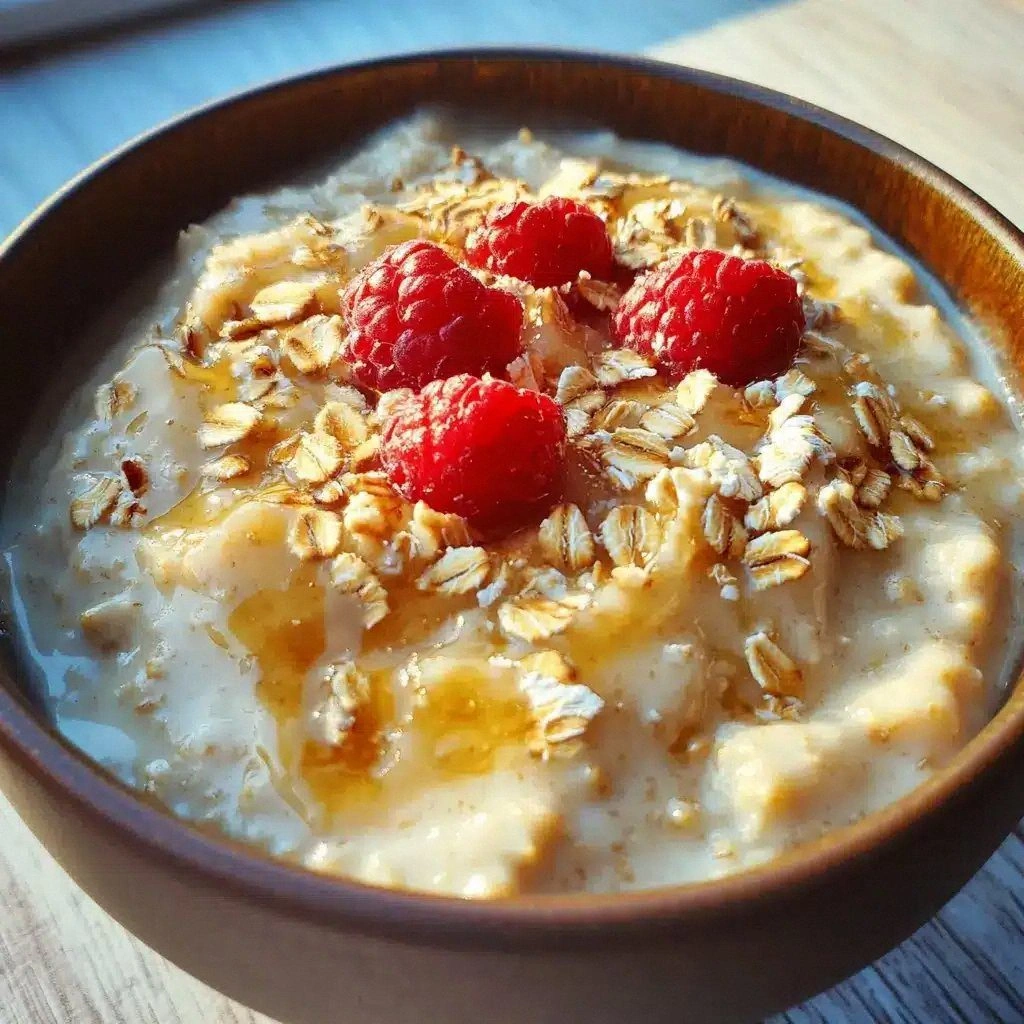
Ever had a kitchen mishap that turned into a culinary revelation? I was chasing the perfect breakfast after a late‑night snack raid, and the stovetop was a chaotic symphony of burnt sugar and clattering pans. The moment the milk began to steam, I realized I had stumbled on something extraordinary—a custard oatmeal that feels like a warm hug in a bowl. The aroma of toasted oats and vanilla drifted through the kitchen, and the sound of the gentle simmer was a lullaby for my taste buds.
Picture the texture: silky custard that clings to each oat grain, the kind that coats your spoon like velvet. The flavor is a harmonious blend of creamy milk, subtle sweetness from brown sugar, and a whisper of cinnamon that lingers like a secret. The first bite melts on the tongue, revealing layers of comfort that are both humble and indulgent. This isn’t just another oatmeal; it’s a culinary experience that turns a mundane morning into a moment of pure delight.
Why does this version stand out? Because it marries simplicity with depth, and every ingredient has a purpose. I dared you to taste this and not go back for seconds—trust me, it’s impossible. The secret? A careful balance of heat, timing, and a few strategic tweaks that most recipes overlook. If you’ve ever struggled to get oatmeal creamy without it becoming mushy, you’re not alone—and I’ve got the fix.
Let me walk you through every single step—by the end, you'll wonder how you ever made it any other way. From the first splash of milk to the final drizzle of maple syrup, each moment is a chance to elevate a classic dish into something unforgettable. The technique is simple, yet the result is a custard oatmeal that feels like a warm blanket on a crisp morning. Ready? Let’s dive in.
What Makes This Version Stand Out
- Richness: The combination of whole milk and butter creates a luxuriously creamy base that outshines the typical dry oatmeal.
- Texture: The careful whisking of eggs into the simmering mixture yields a custard that’s smooth, not lumpy.
- Flavor Depth: A hint of vanilla and cinnamon turns the dish into a fragrant, comforting hug.
- Versatility: Add berries, nuts, or a splash of maple syrup, and you’ve got a breakfast, brunch, or dessert.
- Time Efficiency: In under 45 minutes, you’ll have a dish that feels like it took hours to craft.
- Make‑ahead Friendly: Cook it ahead, refrigerate, and reheat in minutes—no loss of quality.
- Kid‑Friendly: Sweet, creamy, and easy to eat—your little ones will beg for seconds.
- Health‑Conscious: With whole oats and minimal added sugars, it’s a balanced start to the day.
Inside the Ingredient List
The Flavor Base
Whole milk is the backbone of this custard, providing a rich, creamy foundation that balances the oats’ natural earthiness. It also carries the vanilla and cinnamon, allowing their aromas to permeate every spoonful. Skipping milk would leave the oats dry and the custard thin, a disappointing experience. If you prefer a lower fat option, swap for 2% milk or a plant‑based alternative, but note the flavor profile will shift slightly.
The Texture Crew
Rolled oats are the star of the show, offering a chewy bite that contrasts beautifully with the silky custard. Their natural starches thicken the mixture without the need for flour or cornstarch, keeping the dish wholesome. If you’re using quick oats, be prepared for a softer texture; for a firmer bite, stick with rolled oats. A pinch of salt is added to enhance the overall flavor, but you can omit it if you’re watching sodium.
The Unexpected Star
Brown sugar, with its molasses undertones, brings a subtle depth of sweetness that complements the vanilla. Its caramel notes are essential; substituting white sugar will make the custard taste flat. A dash of ground cinnamon introduces warmth and a hint of spice that lingers on the palate. If you’re a cinnamon lover, feel free to increase the amount, but beware of overpowering the delicate balance.
The Final Flourish
Eggs bind the mixture, creating a custard that holds together while remaining airy. They also add a silky mouthfeel that is hard to replicate with plant‑based ingredients. Butter, though optional, enriches the custard’s mouthfeel and adds a subtle buttery aroma. Finally, a splash of maple syrup or fresh berries can be added at the end for a burst of natural sweetness.
Everything's prepped? Good. Let's get into the real action.
The Method — Step by Step
In a medium saucepan, melt the butter over medium heat until it foams and turns a light golden hue. The butter should not brown; keep an eye on it because it’s the first layer of flavor. Once melted, add the rolled oats and stir, allowing them to toast for about two minutes. This step releases their natural oils and deepens the nutty aroma.
Pour in the whole milk, stirring continuously to prevent any lumps from forming. As the milk heats, the mixture should start to bubble gently—this is the cue that the oats are absorbing the liquid. Reduce the heat to low and let it simmer, uncovered, for about five minutes. During this time, the oats will begin to soften and release their starches.
Add the brown sugar, vanilla extract, ground cinnamon, and a pinch of salt. Stir until the sugar dissolves completely, creating a fragrant, sweet base. The mixture should smell like a warm kitchen on a rainy day, and the edges of the pot will begin to pull away slightly, indicating thickening.
In a separate bowl, whisk the eggs until the whites and yolks are fully blended. To prevent the eggs from scrambling, temper them by adding a small ladle of the hot custard mixture to the beaten eggs, whisking constantly. Then slowly pour the tempered eggs back into the saucepan while whisking vigorously.
Continue to cook over low heat, stirring constantly, until the custard thickens to a creamy consistency that coats the back of a spoon. This should take about eight to ten minutes. The texture should be smooth, not lumpy, and the mixture should no longer be runny. If it starts to separate, lower the heat further and stir more.
Once thickened, remove the saucepan from the heat. If you prefer a richer custard, stir in an extra tablespoon of butter at this point for added silkiness. Let the custard rest for a minute; this allows the flavors to meld and the thickness to set.
Transfer the custard oatmeal into individual bowls, allowing it to sit for two minutes. This short resting period lets the custard firm up slightly, making it easier to scoop. If you’re serving a crowd, keep the bowls in a warm place to maintain the creamy texture.
Garnish with fresh berries, a drizzle of maple syrup, and toasted nuts for crunch. These toppings not only add flavor but also create a pleasing visual contrast. The berries bring a burst of tartness that balances the sweetness, while the nuts add a satisfying crunch.
Serve immediately while warm, and enjoy the comforting symphony of textures and flavors. If you’re not ready to eat right away, cover the bowls tightly and refrigerate. The custard will keep for up to 48 hours, and a quick reheating will restore its silky goodness.
That's it — you did it. But hold on, I've got a few more tricks that'll take this to another level.
Insider Tricks for Flawless Results
The Temperature Rule Nobody Follows
Cooking at the right temperature is the secret to a silky custard. Keep the heat low—never let it boil—because a rolling boil will cause the custard to seize. If you notice the mixture bubbling aggressively, reduce the heat immediately and stir more vigorously.
Why Your Nose Knows Best
The aroma of the custard is a reliable indicator of doneness. When the custard is ready, it will emit a warm, buttery scent that is unmistakable. If the smell is faint, give it a few more minutes; if it's overpoweringly sweet, you may have overcooked it.
The 5‑Minute Rest That Changes Everything
Letting the custard rest for five minutes after cooking allows the starches to settle and the flavors to marry. During this brief pause, the custard thickens slightly, creating a more cohesive texture. This simple step is often overlooked but makes a noticeable difference.
Butter or No Butter?
Butter adds richness, but if you’re avoiding dairy, you can use a neutral oil or a vegan butter substitute. The key is to keep the fat content consistent to maintain the custard’s silky mouthfeel. A tablespoon of coconut oil can provide a subtle tropical note.
Egg Alternatives for Vegans
For a vegan version, use silken tofu blended with a splash of plant milk. The tofu’s neutral flavor and creamy texture will mimic the binding properties of eggs. Add a pinch of turmeric for color and a dash of nutritional yeast for depth.
Adding Extra Oats for Fiber
If you want a heartier oatmeal, incorporate an extra half cup of rolled oats. This will increase the fiber content and create a more substantial bite. Be mindful that the custard will thicken more, so you might need to add a bit more milk.
Creative Twists and Variations
This recipe is a playground. Here are some of my favorite ways to switch things up:
Maple‑Glazed Apple Oatmeal
Saute diced apples in butter until caramelized, then fold them into the custard before serving. The natural sweetness of apples pairs beautifully with maple syrup, creating a fall‑in‑love flavor profile. Top with a sprinkle of cinnamon for extra warmth.
Chocolate‑Infused Delight
Stir in a tablespoon of cocoa powder or melted dark chocolate during the simmering stage. The chocolate will deepen the custard’s color and add a rich, bittersweet note. Finish with a dusting of powdered sugar for a decadent touch.
Berry‑Burst Oatmeal
Fold in fresh blueberries, raspberries, or sliced strawberries after removing the custard from heat. The berries will release their juices, creating a vibrant, fruity swirl. This variation is perfect for a quick summer brunch.
Nutty Crunch Oatmeal
Toast a handful of chopped pecans or walnuts in a dry skillet until fragrant, then sprinkle them over the finished custard. The crunch contrasts with the silky custard, and the nuts add a savory depth. A drizzle of honey completes the flavor profile.
Spiced Chai Oatmeal
Infuse the milk with a chai spice blend—cinnamon, cardamom, ginger, and cloves—while it heats. The aromatic spices will give the custard an exotic, warming character. Finish with a sprinkle of ground cinnamon on top.
Protein‑Packed Oatmeal
Add a scoop of vanilla whey protein powder to the milk before simmering. This boosts the protein content without altering the custard’s flavor. Pair with a handful of fresh berries for a balanced, post‑workout meal.
Storing and Bringing It Back to Life
Fridge Storage
Transfer the custard oatmeal into airtight containers and refrigerate for up to 48 hours. The custard will firm up slightly, so let it sit at room temperature for ten minutes before serving. A splash of milk or a drizzle of maple syrup can restore its silky texture.
Freezer Friendly
Divide the custard into individual portions and wrap each tightly in plastic wrap. Freeze for up to 30 days. When ready to eat, thaw overnight in the refrigerator and reheat gently on the stovetop, stirring frequently.
Best Reheating Method
Reheat in a saucepan over low heat, adding a tablespoon of milk or water to loosen the mixture. Stir continuously until the custard reaches a warm, pourable consistency. Avoid boiling, as this can cause the custard to seize.