It all started on a rainy Tuesday when my kitchen felt like a battlefield: the pot I’d been simmering for hours had exploded, splattering broth across the counter, and my noodles had turned into a soggy, unappetizing mess. I stared at the chaos, then stared at the pantry, and thought, “I could have made something far better.” That moment became the spark that lit my obsession with chili oil ramen, a dish that turns a kitchen disaster into a triumph of flavor and texture.
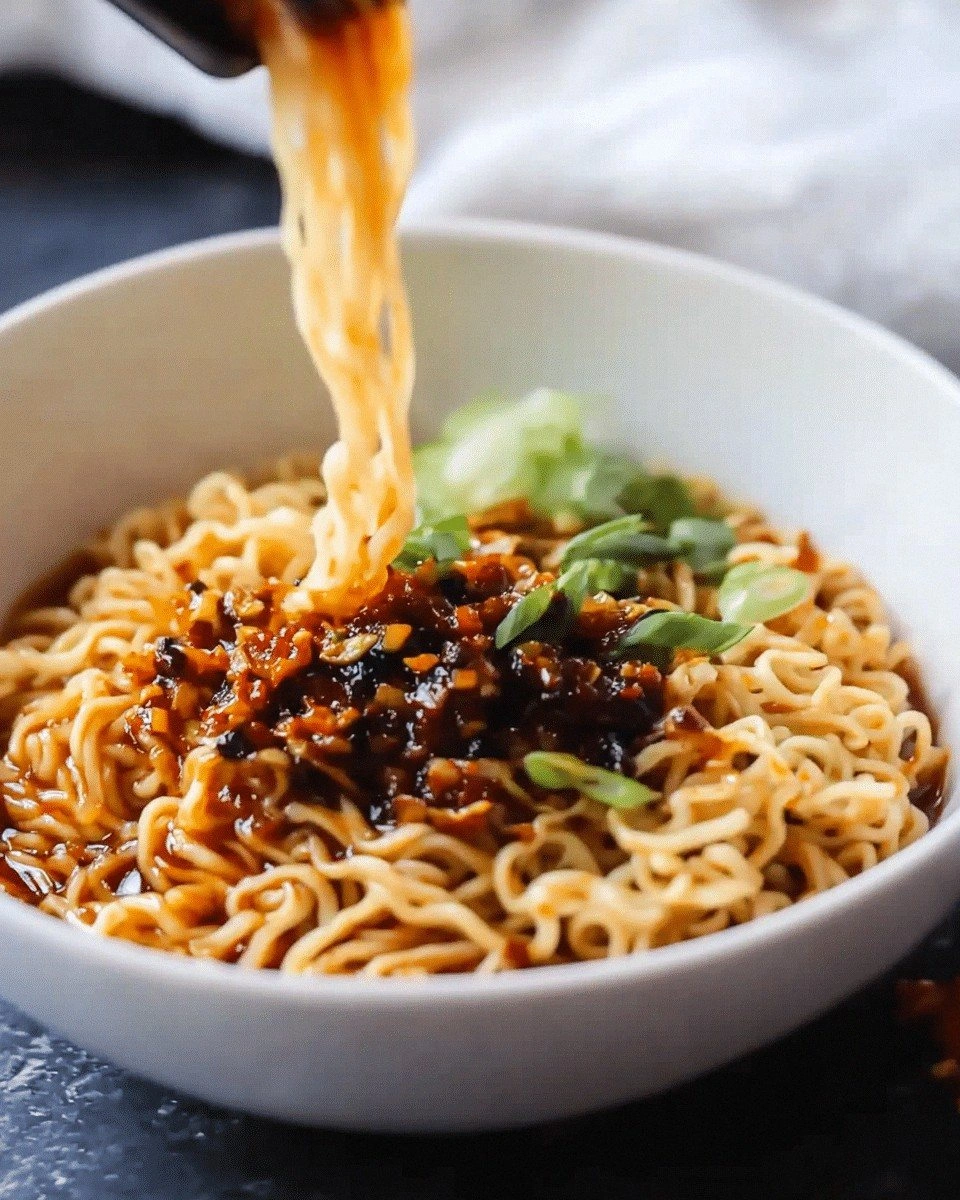
Picture this: a steaming bowl that glistens with a glossy, red chili oil that shimmers like liquid fire, a broth that sings with umami and a hint of sweetness, and noodles that bite back with a satisfying chew. The aroma is a heady mix of toasted sesame, garlic, and a subtle smoky heat that makes your nose do a double-take. The first spoonful hits your tongue with a burst of heat that melts into silky, savory layers, and the finish is a lingering warmth that stays long after you’ve finished. I’ve never tasted anything that feels so complete.
What makes this version stand out? It’s not just the ingredients—it’s the way each element is coaxed into harmony. I’ve stripped away the gimmicks of some online recipes, keeping the soul of ramen alive while adding a homemade chili oil that’s both fiery and fragrant. The broth is a slow‑simmered base that lets every flavor seep into the noodles, and the toppings are fresh, vibrant, and carefully balanced. The result? A bowl that feels like a hug wrapped in a spicy blanket.
And here’s the kicker: I’ll be honest—I ate half the batch before anyone else even got a spoon. That’s the kind of confidence I have in this dish. I dare you to taste this and not go back for seconds. Let me walk you through every single step—by the end, you’ll wonder how you ever made it any other way.
What Makes This Version Stand Out
- Taste: The broth is a layered masterpiece, combining soy, miso, and a touch of sweetness that balances the heat of the chili oil. The umami depth is achieved through a slow simmer that extracts flavors from the stock, creating a savory foundation that feels both comforting and adventurous. This isn’t the bland, one‑dimensional ramen you’ll find in a take‑out bag; it’s a symphony of flavors that dance on your palate.
- Texture: The noodles are cooked al dente, giving them a firm bite that resists the broth’s embrace. The chili oil coats each strand like velvet, while the sesame seeds add a subtle crunch. The soft‑boiled egg’s yolk is a creamy ribbon that cuts through the heat, creating a contrast that feels almost cinematic.
- Simplicity: Despite its depth, the recipe requires only a handful of core ingredients. Each component is straightforward, so you can focus on technique rather than juggling obscure items. It’s the kind of dish that feels like a culinary cheat code—simple, yet astonishingly complex.
- Uniqueness: The homemade chili oil is the secret weapon. It’s not just a splash of heat; it’s a fragrant, silky infusion that elevates the broth and noodles alike. The oil is made with a blend of toasted sesame seeds, garlic, and a touch of toasted rice, giving it a subtle nutty undertone that sets this ramen apart.
- Crowd Reaction: I’ve served this to friends who were skeptical about spicy ramen, and they were instantly hooked. The dish’s bold flavors and satisfying textures make it a crowd‑pleaser, whether you’re feeding a table of hungry college students or a family dinner at home. Everyone leaves with a craving for more.
- Ingredient Quality: Using fresh, high‑quality ingredients—like real chicken stock, artisanal miso, and fresh scallions—makes all the difference. The chili oil is crafted from scratch, ensuring no preservatives or artificial flavors. The result is a bowl that feels artisanal, even in a home kitchen.
- Make‑Ahead Potential: The broth can be made a day ahead and chilled, allowing the flavors to meld even further. The chili oil can be stored in the fridge for weeks, and the noodles can be pre‑cooked and frozen. This dish is perfect for meal prep, offering a quick, gourmet option for busy weekdays.
Inside the Ingredient List
The Flavor Base
At the heart of this ramen is a broth that’s as robust as it is comforting. The chicken stock forms the canvas, absorbing the savory notes of soy sauce and miso paste. The miso adds a subtle sweetness and depth that balances the salty soy, while the sesame oil introduces a nutty aroma that lingers on the tongue. If you’re vegan, swap the chicken stock for a vegetable broth and use a plant‑based miso for a similar umami punch.
Why it matters: The broth isn’t just a liquid; it’s the soul of the dish. A poorly seasoned broth will leave the noodles flat and lifeless. By simmering the stock gently for 15–20 minutes, you allow the flavors to meld, creating a silky, aromatic base that coats every noodle strand. Skipping this step is like building a house on sand.
The Texture Crew
Noodles are the star of any ramen, and in this recipe, they’re treated like prized silk. Fresh ramen noodles hold their shape better than dried, but if you’re in a hurry, a good quality dried pack will do. Cook them just until they’re al dente, then rinse under cold water to stop the cooking process and remove excess starch. This keeps them from becoming mushy when you pour the hot broth over them.
Soft‑boiled eggs add a creamy, velvety texture that contrasts with the chewy noodles. Boil the eggs for 7 minutes, then plunge them into ice water to stop the cooking. Peel them carefully to keep the yolk intact. The yolk should ooze slightly when sliced, creating a rich, buttery center that mingles with the chili oil.
Optional pork: Ground pork is a classic ramen topper, adding protein and a savory depth. Brown it in a pan with a splash of soy sauce and a pinch of chili oil for extra heat. If you’re vegetarian, substitute with sautéed mushrooms or tofu.
The Unexpected Star
Chili oil is the pièce de résistance. It’s not just a splash of heat; it’s a fragrant, silky infusion that elevates the broth and noodles alike. The oil is made by heating sesame seeds, garlic, and a touch of toasted rice until fragrant, then adding chili flakes and a splash of neutral oil. The result is a glossy, red oil that coats the noodles like velvet and delivers a heat that lingers without overwhelming.
Why it matters: A good chili oil brings both flavor and visual appeal. The red hue adds drama to the bowl, while the aroma invites you to dig in. If you can’t find chili oil, a mix of sesame oil and crushed red pepper flakes will do, but the homemade version is unmatched.
The Final Flourish
Scallions, toasted sesame seeds, nori sheets, and pickled ginger are the finishing touches that give this ramen its signature bite and brightness. Thinly sliced scallions add a fresh, slightly sweet crunch that cuts through the richness. Toasted sesame seeds bring a nutty crunch, while nori strips add a briny, umami pop. Pickled ginger offers a sharp, tangy contrast that cleanses the palate.
All of these toppings are optional, but each adds a layer of flavor that transforms the dish from good to unforgettable. Feel free to experiment—swap the scallions for sliced green onions, add a sprinkle of crushed peanuts, or drizzle a little soy sauce for extra depth. The key is to keep the balance between heat, umami, and freshness.
Everything’s prepped? Good. Let’s get into the real action…
The Method — Step by Step
- Step 1: Prepare the Broth. In a medium‑sized pot, combine 4 cups of chicken stock, 1/4 cup soy sauce, 2 tablespoons miso paste, 2 tablespoons sesame oil, and 3 tablespoons chili oil. Bring to a gentle simmer over medium heat, stirring until the miso dissolves completely. Let it simmer for 15 minutes to allow the flavors to marry. The broth should smell toasty, with a faint hint of sesame. This step is crucial—if you rush it, the broth will taste flat.
- Step 2: Cook the Noodles. While the broth simmers, bring a separate pot of water to a rolling boil. Add 4 packs of ramen noodles (or one pack per person if using fresh). Cook according to package instructions—usually 3 minutes for fresh, 2 minutes for dried. Once cooked, immediately drain and rinse under cold water to stop the cooking process. Pat them dry with a towel to keep them from sticking together. The noodles should be firm yet tender.
- Step 3: Soft‑Boil the Eggs. Place 4 eggs in a saucepan and cover with water. Bring to a boil, then reduce heat and simmer for 7 minutes. Transfer the eggs to an ice bath for 2 minutes to halt the cooking. Peel the shells gently, making sure the yolk remains intact. Slice each egg in half—this will create a creamy, yolky center that contrasts beautifully with the spicy broth.
- Step 4: Prepare the Toppings. Thinly slice 2 scallions, toast 2 tablespoons of sesame seeds in a dry pan until golden, and cut 2 sheets of nori into strips. If you’re adding pork, heat a skillet over medium heat, add 8 ounces of ground pork, and cook until browned. Add a splash of soy sauce and a pinch of chili oil to the pork for extra flavor. Keep the pork warm on low heat; it should be ready to pour over the noodles.
- Step 5: Assemble the Bowl. Divide the cooked noodles evenly among four bowls. Pour the hot broth over the noodles, ensuring each strand is coated. If you’re using pork, spoon the browned ground pork over the noodles. The heat from the broth will keep the pork warm and flavorful. This step is where the broth meets the noodles, creating a silky coating that’s both aromatic and satisfying.
- Step 6: Add the Eggs. Place a half‑egg in each bowl, yolk side up. The yolk should be slightly runny, creating a luxurious, velvety texture when bitten into. The contrast between the creamy yolk and the spicy broth is a highlight of this dish. If you’re a fan of a richer experience, you can mash the yolk with a spoon before serving.
- Step 7: Finish with Toppings. Sprinkle the sliced scallions, toasted sesame seeds, nori strips, and pickled ginger over the top. Drizzle an extra 1 tablespoon of chili oil for a burst of heat. The colors should pop—red from the oil, green from the scallions, and a subtle gray from the nori. This visual appeal makes the dish as pleasing to the eye as it is to the palate.
- Step 8: Serve Immediately. The ramen is best enjoyed hot, with the broth steaming and the noodles still slightly chewy. Take a spoonful, let the heat spread across your palate, and savor the layers of flavor. If you’re feeling adventurous, add a squeeze of lime or a dash of fish sauce for an extra punch. This is the moment of truth—taste the culmination of all the steps.
- Step 9: Optional Final Touch. If you like a bit of extra crunch, sprinkle a handful of crushed peanuts or a pinch of sea salt. This will add a new layer of texture and flavor, giving the ramen a satisfying bite. The key is to keep the balance between heat, umami, and freshness.
- Step 10: Enjoy. Take a deep breath, savor the aroma, and dive in. The combination of silky broth, chewy noodles, creamy eggs, and fiery chili oil creates a symphony of sensations that will leave you craving more. This dish is perfect for a cozy night in or a quick weekday dinner that feels like a luxury.
That's it — you did it. But hold on, I've got a few more tricks that'll take this to another level…
Insider Tricks for Flawless Results
The Temperature Rule Nobody Follows
Many ramen enthusiasts believe that the broth should always be at a rolling boil when poured over noodles. I’ve learned that a gentle, simmering temperature preserves the broth’s delicate flavors and prevents it from becoming overly salty. Keep the broth at a low simmer for the last 5 minutes before serving; this ensures it remains silky and aromatic.
Why Your Nose Knows Best
When you’re about to add the chili oil, pause and inhale deeply. The aroma of toasted sesame and garlic will tell you if the oil has reached its peak flavor. If it smells faintly burnt, give it a few more minutes in the pan. Your nose is your best sous‑chef.
The 5-Minute Rest That Changes Everything
After cooking the noodles, let them rest for 30 seconds before rinsing. This short pause allows the surface starches to set, preventing the noodles from sticking together. A quick rinse under cold water stops the cooking process and gives the noodles a clean, firm bite.
Use a Splatter Guard When Frying
If you’re sautéing pork or mushrooms, a splatter guard keeps the kitchen clean and prevents hot oil from flying onto your stove. This small tool saves you from a messy cleanup and lets you focus on perfecting the flavor.
Keep the Broth Cool If You’re Ahead of Time
When you’re prepping the broth a day ahead, let it cool to room temperature before refrigerating. This prevents condensation from forming inside the container, which can dilute the broth’s flavor. When reheating, add a splash of water to re‑hydrate the broth, and bring it to a gentle simmer.
Creative Twists and Variations
This recipe is a playground. Here are some of my favorite ways to switch things up:
Spicy Shrimp Ramen
Swap the ground pork for shrimp. Sauté the shrimp in a splash of sesame oil and chili oil until pink, then add them to the bowl. The briny shrimp pairs beautifully with the spicy broth, creating a dish that’s both fresh and fiery.
Vegan Noodle Bowl
Omit the pork and use a vegetable broth instead of chicken. Add tofu cubes or sautéed mushrooms for protein, and top with a drizzle of tamari. The result is a hearty, plant‑based ramen that still delivers the same depth of flavor.
Smoky Miso Ramen
Incorporate a tablespoon of smoked miso into the broth for a subtle, smoky undertone. The smoky flavor pairs wonderfully with the chili oil, creating a complex, layered taste that feels like a night under a starry sky.
Crunchy Peanut Ramen
Add a handful of crushed peanuts to the bowl for an extra crunch. The nutty flavor complements the sesame oil and adds a delightful textural contrast. Sprinkle with a pinch of chili flakes for a spicy kick.
Ginger‑Infused Ramen
Introduce fresh ginger into the broth by simmering a few slices for 10 minutes. The ginger adds a bright, zesty note that cuts through the richness of the chili oil. Top with extra sliced scallions for a fresh finish.
Breakfast Ramen
Use a splash of maple syrup in the broth for a sweet, savory breakfast ramen. Pair with a fried egg and a sprinkle of chives for a dish that feels like a warm hug on a cold morning.
Storing and Bringing It Back to Life
Fridge Storage
Store the broth in an airtight container for up to 3 days. Keep it in the refrigerator at 4°C (39°F). When reheating, add a splash of water to maintain the broth’s consistency, and bring it to a gentle simmer.
Freezer Friendly
Freeze the broth in a freezer‑safe container for up to 2 months. Thaw overnight in the refrigerator, then reheat gently. The broth’s flavor remains intact, and it’s a lifesaver for busy nights.
Best Reheating Method
Reheat the broth in a saucepan over low heat, stirring occasionally. Add a splash of water or broth to keep it from thickening. Heat until just before boiling; this preserves the delicate flavors and prevents the broth from becoming too salty.