Love this? Pin it for later! 📌
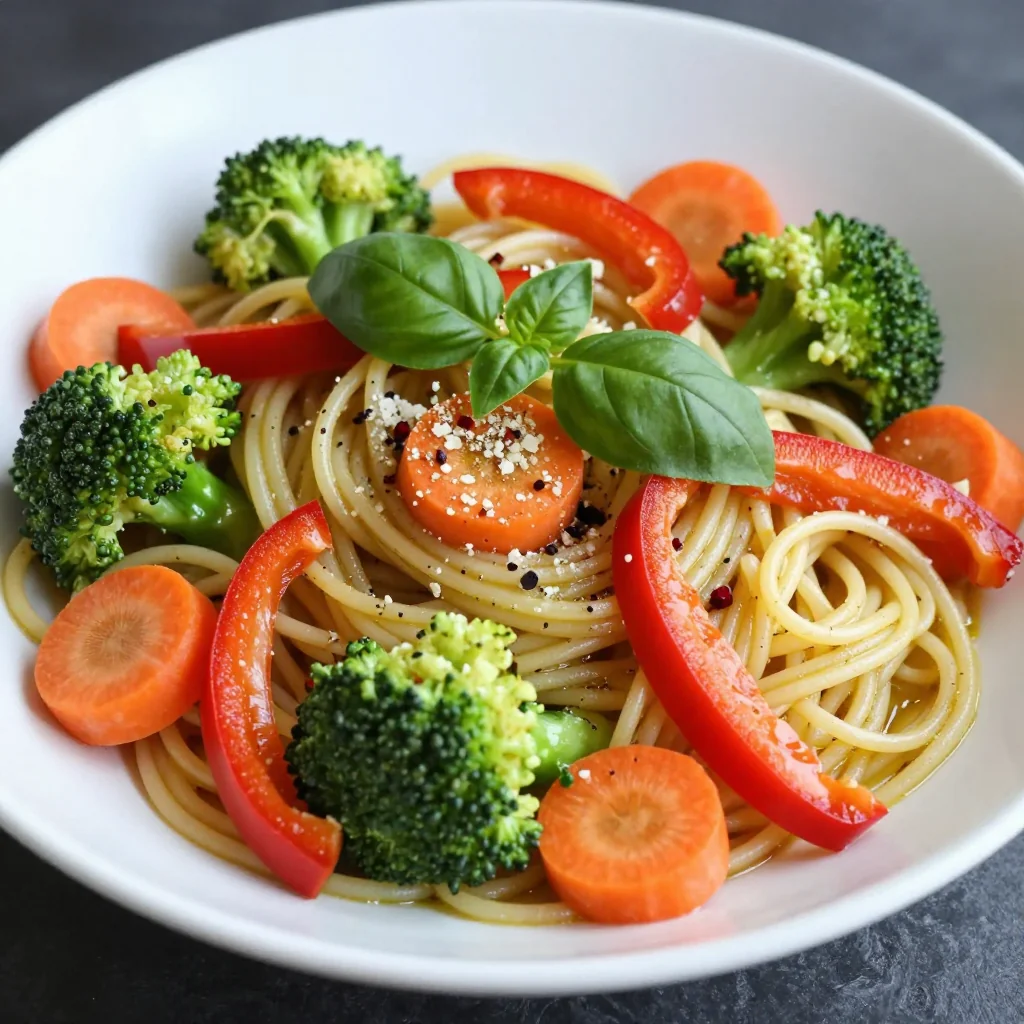
Spring cleaning my fridge one Tuesday night is how this technicolor bowl of comfort was born. I had half a bag of forgotten pasta, a wilting zucchini, and the last handful of cherry tomatoes that were this close to walking themselves to the compost bin. Thirty minutes later I was twirling my fork around the brightest, creamiest, most vegetable-forward pasta I’d eaten all year—on a budget that made my grocery-loving heart sing. Since then, this Budget Pasta Primavera has become my Wednesday-night lighthouse, my pre-road-trip clean-out ritual, and the dish my neighbors request when they “accidentally” drop by at six. It’s fast, it’s flexible, and it turns whatever produce is lounging in your crisper into a restaurant-level dinner that still leaves enough lunch money for tomorrow.
Why This Recipe Works
- One-pot magic: The pasta cooks in the same skillet as the veggies, saving dishes and electricity.
- Seasonal shape-shifter: Swap in whatever vegetables are on sale—broccoli, asparagus, frozen peas, you name it.
- Creamy without cream: A lightened-up sauce uses starchy pasta water and a kiss of Parmesan for indulgence on a dime.
- Under-30-minute weeknight hero: From chopping to plating takes about 25 minutes—faster than delivery.
- Meal-prep superstar: Keeps beautifully for four days, making lunchboxes something to anticipate.
- Kid-approved veg smuggling: The silky coating nudges even picky eaters toward colorful produce.
Ingredients You'll Need
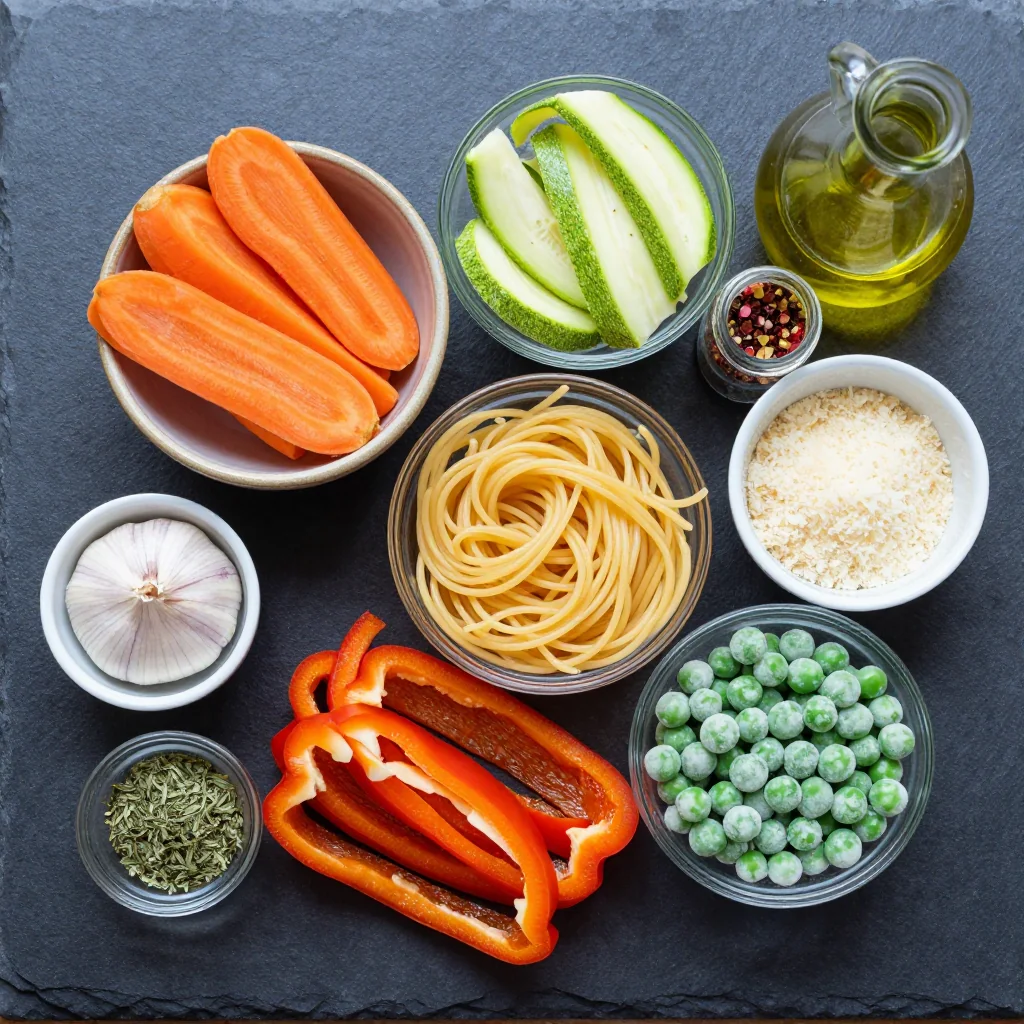
Twelve humble ingredients, zero specialty stores. That’s the beauty here. Start with dried pasta—I love medium shapes like penne or rotini because they trap tiny pockets of sauce. Generic store brands work; just check the label for 100% semolina if you want that al dente bite. Next up, extra-virgin olive oil. You don’t need the pricey finishing kind; any everyday oil with a harvest date within 18 months does the job.
For vegetables, think rainbow. A single zucchini delivers mild sweetness and delicate texture. Look for glossy skin and a stem that isn’t shriveled—both signs it was picked recently. Bell peppers add crunch and vitamin C; red or yellow give the sweetest pop, but green is cheapest. One small red onion gives that mellow sharpness that wakes everything up—yellow onion is fine in a pinch.
Our “secret” weapon is garlic. Buy whole heads; pre-peeled cloves often sit in preservatives that muddy flavor. Cherry tomatoes burst into little pockets of jammy acidity. Off-season, grocery-store tomatoes can be tasteless, so feel free to swap in a drained 14-oz can of diced tomatoes, squeezed dry.
The sauce comes together with vegetable broth (or water in a real pinch) and the pasta’s own starch. A modest ½ cup grated Parmesan brings umami depth—buy a block and grate it yourself for pennies per serving. Finish with fresh basil (or 1 tsp dried) and a squeeze of lemon to keep things bright.
Optional but lovely: a pinch of red-pepper flakes for heat, or a handful of baby spinach for extra nutrients.
How to Make Budget Pasta Primavera for Veggie-Packed Dinners
Prep & chop efficiently
Bring a 12-inch high-sided skillet of well-salted water to boil (about 1½ tsp kosher salt per quart). While it heats, dice the zucchini into ½-inch half-moons, slice the bell pepper into thin strips, and cut the red onion into thin half-rings. Mince the garlic. Halve the cherry tomatoes. Keeping everything similar in size helps the vegetables cook evenly and look gorgeous.
Toast the pasta
Heat 1 Tbsp olive oil in the dry skillet over medium. Add the dry pasta and stir constantly for 2 minutes until the edges turn a shade darker and smell faintly nutty. This quick toast builds deep flavor you can’t get from sauce alone.
Simmer in broth
Carefully pour in 3 cups vegetable broth (it will sputter). Reduce heat to a gentle simmer and cook, stirring every minute or so, until the pasta is just shy of al dente and about ½ cup starchy liquid remains—about 9 minutes for rotini. You want it slightly brothy; that liquid becomes your sauce body.
Layer the vegetables
Scatter the red onion and bell pepper over the pasta. Cover the skillet and steam for 2 minutes. Add zucchini and tomatoes, cover again, and cook 3 minutes more. This staggered timing keeps each vegetable at its sweet spot—crisp-tender and Technicolor bright.
Infuse aromatics
Stir in the minced garlic, 1 Tbsp olive oil, ¼ tsp salt, several grinds black pepper, and optional red-pepper flakes. Cook 30 seconds until fragrant—no longer or the garlic turns bitter.
Creamify (yes, that’s a word now)
Sprinkle Parmesan over the surface and fold gently until the cheese melts into the starchy broth, creating a light, glossy sauce that clings to every noodle. Add the spinach if using; it wilts almost instantly.
Finish bright
Off heat, squeeze in the juice of half a lemon and toss in the torn basil. Taste and adjust salt. The acid heightens all the vegetable sweetness and balances the Parmesan richness.
Serve smart
Twirl into shallow bowls so every portion gets a mosaic of vegetables. Garnish with extra basil leaves and a dusting of Parmesan if you’re feeling fancy. Serve immediately for peak creaminess, or let it cool five minutes for the sauce to tighten and flavors to meld.
Expert Tips
Salt in stages
Salting the pasta water and lightly seasoning each vegetable layer builds depth without over-salting the final dish.
Don’t drown the pasta
Use just enough broth to barely cover the noodles; too much liquid dilutes starch and weakens the sauce body.
Grate your own Parmesan
Pre-shredded cellulose-coated cheese resists melting. A microplane turns a bargain block into feathery snow that melts instantly.
Vary the veg size
Keep quick-cooking spinach whole, but dice carrots small; staggered shapes create textural intrigue.
Reuse the skillet
The same pan you toasted pasta in now carries caramelized bits (fond) that dissolve into the sauce for free flavor.
Cool before storing
Let the finished pasta come to room temp so steam doesn’t condense into soggy leftovers.
Variations to Try
-
Spring Green: Swap zucchini for asparagus tips and frozen peas; finish with mint instead of basil.
-
Mediterranean: Add olives, capers, and a can of drained chickpeas to bulk up protein.
-
Vegan Cheesy: Replace Parmesan with 3 Tbsp nutritional yeast and 1 Tbsp white miso for umami.
-
Gluten-Free: Use a sturdy chickpea or brown-rice pasta; stir gently to avoid breakage.
-
Protein Punch: Fold in shredded rotisserie chicken or canned tuna at the very end for a heartier dinner.
-
Creamy Dreamy: Stir in 2 Tbsp light cream cheese with the Parmesan for extra silkiness.
Storage Tips
Refrigerate leftovers in an airtight container up to 4 days. The sauce will thicken as it sits; loosen with a splash of broth or water when reheating. For best texture, rewarm gently in a covered skillet over medium-low heat, stirring often, rather than zapping on high in the microwave (which turns vegetables to mush).
To freeze, portion cooled pasta into freezer-safe zip bags, press out excess air, and freeze up to 2 months. Thaw overnight in the fridge, then reheat as above. Note: zucchini and tomatoes soften after freezing, so this method is ideal for taste-over-texture lunches.
If meal-prepping for grab-and-go containers, slightly undercook the pasta during step 3 so it finishes to al dente after reheating.
Frequently Asked Questions
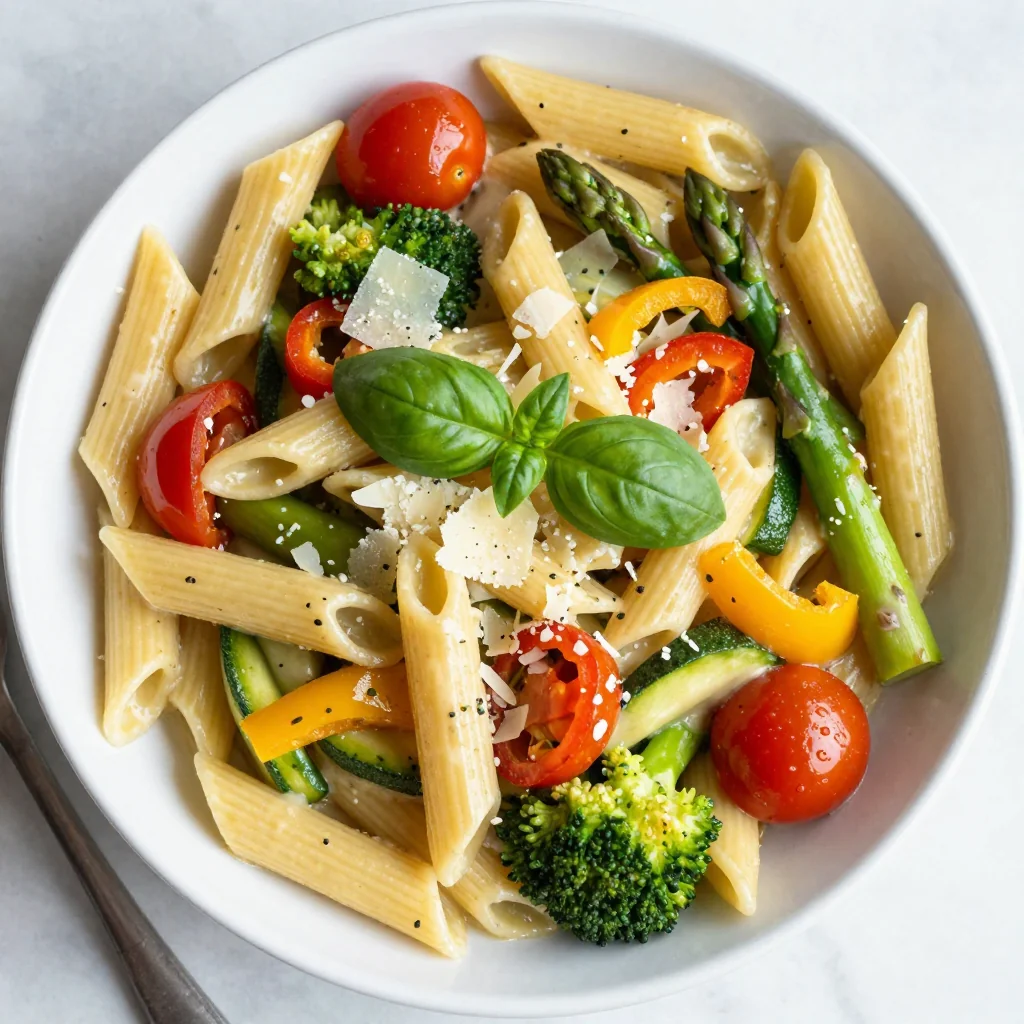
Budget Pasta Primavera for Veggie-Packed Dinners
Ingredients
Instructions
- Toast pasta: Heat 1 Tbsp oil in a deep skillet, add pasta, and stir 2 min until fragrant.
- Simmer: Pour in broth, cook, stirring, until pasta is almost al dente and ½ cup liquid remains, ~9 min.
- Steam veg: Layer onion & bell pepper, cover, 2 min. Add zucchini & tomatoes, cover, 3 min.
- Season: Stir in garlic, remaining 1 Tbsp oil, salt, pepper, and optional red-pepper flakes; cook 30 sec.
- Creamify: Fold in Parmesan until melted and glossy. Add spinach if using.
- Finish: Off heat, add lemon juice and basil; adjust salt and serve warm.
Recipe Notes
For extra protein, add a can of drained chickpeas with the tomatoes. Store leftovers up to 4 days refrigerated or 2 months frozen.