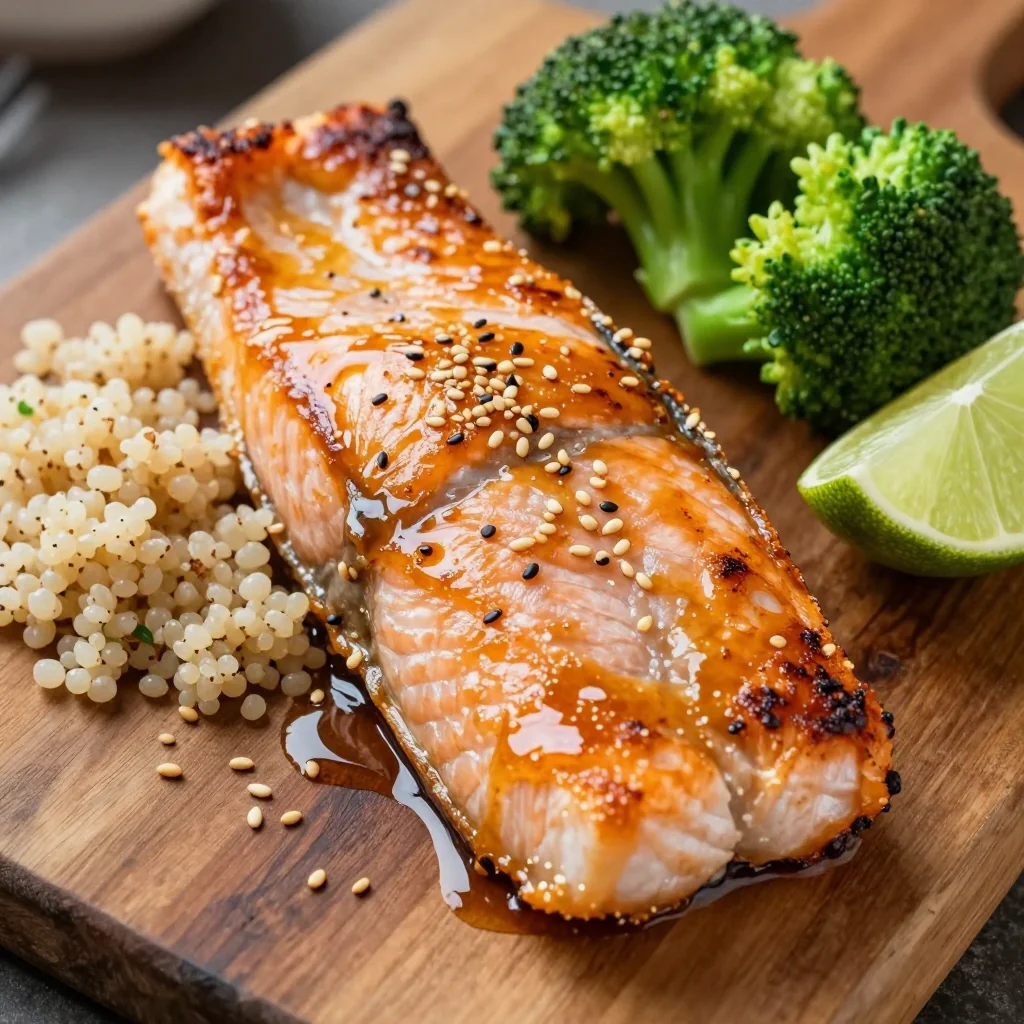
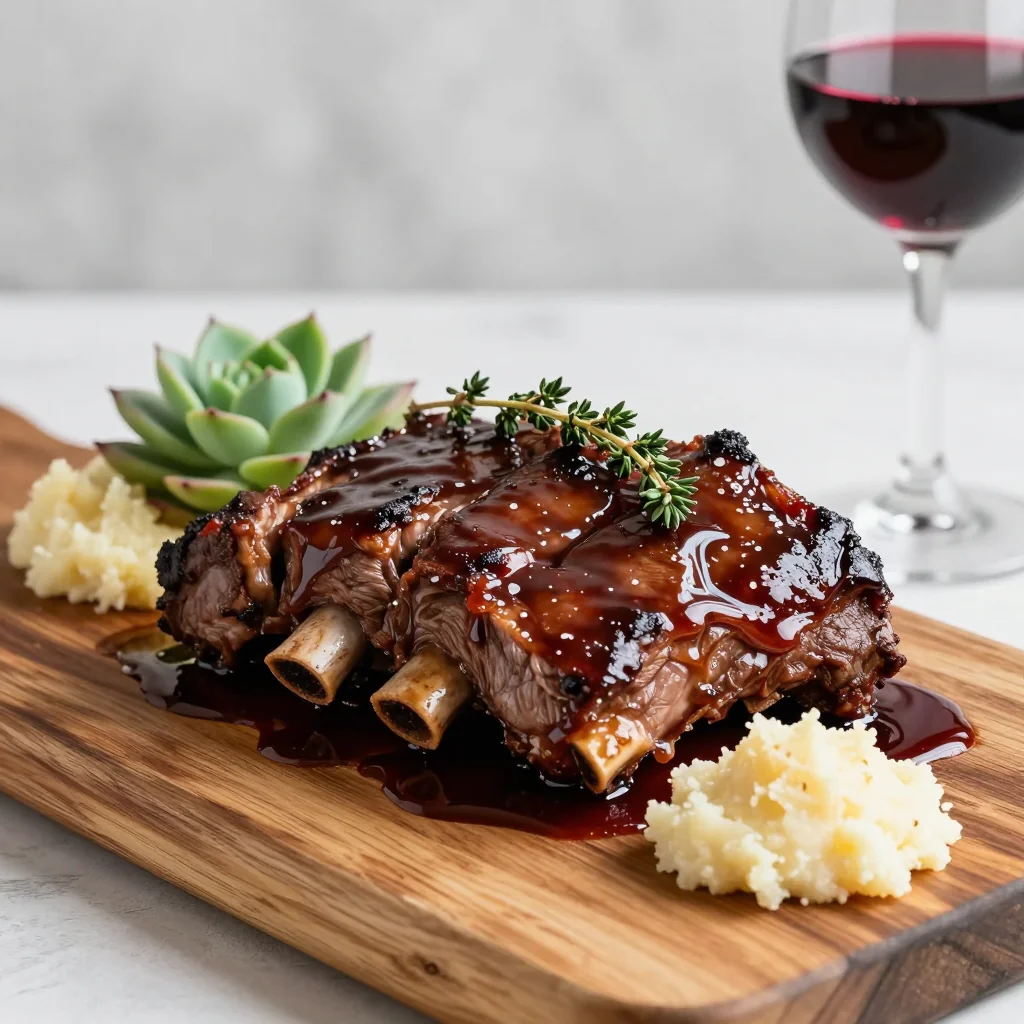
I was standing in my kitchen, staring at a half‑cooked slab of Wagyu that had been left to rest for too long, when the phone rang. My friend dared me to whip up something that could turn that disappointment into a triumph. I laughed, grabbed my skillet, and decided the only way to redeem the meat was to simmer it until every grain of fat was coaxed into silky, umami‑laden ribbons. The result? A dish that feels like a hug from the inside out. This is the Beef Shigureni (Simmered Wagyu) that will make your taste buds do the tango, and I’m about to walk you through every single step. By the end, you’ll wonder how you ever made it any other way.
What Makes This Version Stand Out
- Umami Explosion: The combination of soy sauce, mirin, and dashi creates a depth that rivals a slow‑cooked consommé. Each bite is a burst of savory richness that lingers long after the last morsel.
- Texture Mastery: Wagyu’s intramuscular fat melts into the broth, turning the beef into a tender, melt‑in‑your‑mouth experience. The gobo adds a subtle chew that balances the silkiness.
- Quick & Easy: While the flavors develop over time, the active cooking phase is under 30 minutes, making it perfect for week‑night dinners.
- Ingredient Harmony: Every component—ginger, garlic, scallion, sesame oil—plays a distinct role, yet none overwhelms the others. The result is a symphony of flavors.
- Versatile Base: Use it over rice, noodles, or even as a sauce for grilled veggies. The sauce’s consistency allows it to adapt to any side.
- Make‑Ahead Friendly: The dish holds up beautifully in the fridge and reheats without losing its lusciousness. Ideal for meal prep.
- Elegant Presentation: The glossy sauce and bright scallions make it a showstopper, perfect for impressing guests or a quiet, gourmet night at home.
- Health‑Conscious: By using Wagyu’s natural marbling, you get a protein‑rich meal with minimal added fat, especially if you trim the surface fat before cooking.
Alright, let’s break down exactly what goes into this masterpiece…
Inside the Ingredient List
The Flavor Base
At the heart of Beef Shigureni is the broth that carries the beef’s richness. Dashi or a simple water base infused with kombu (kelp) gives the sauce an umami backbone. Add soy sauce for depth, mirin for a touch of sweetness, and sake for brightness. The sugar balances the acidity, while sesame oil adds a nutty aroma that lingers long after the dish is finished. Skipping any of these will leave the sauce feeling flat; each element is a vital thread in the tapestry of flavor.
The Texture Crew
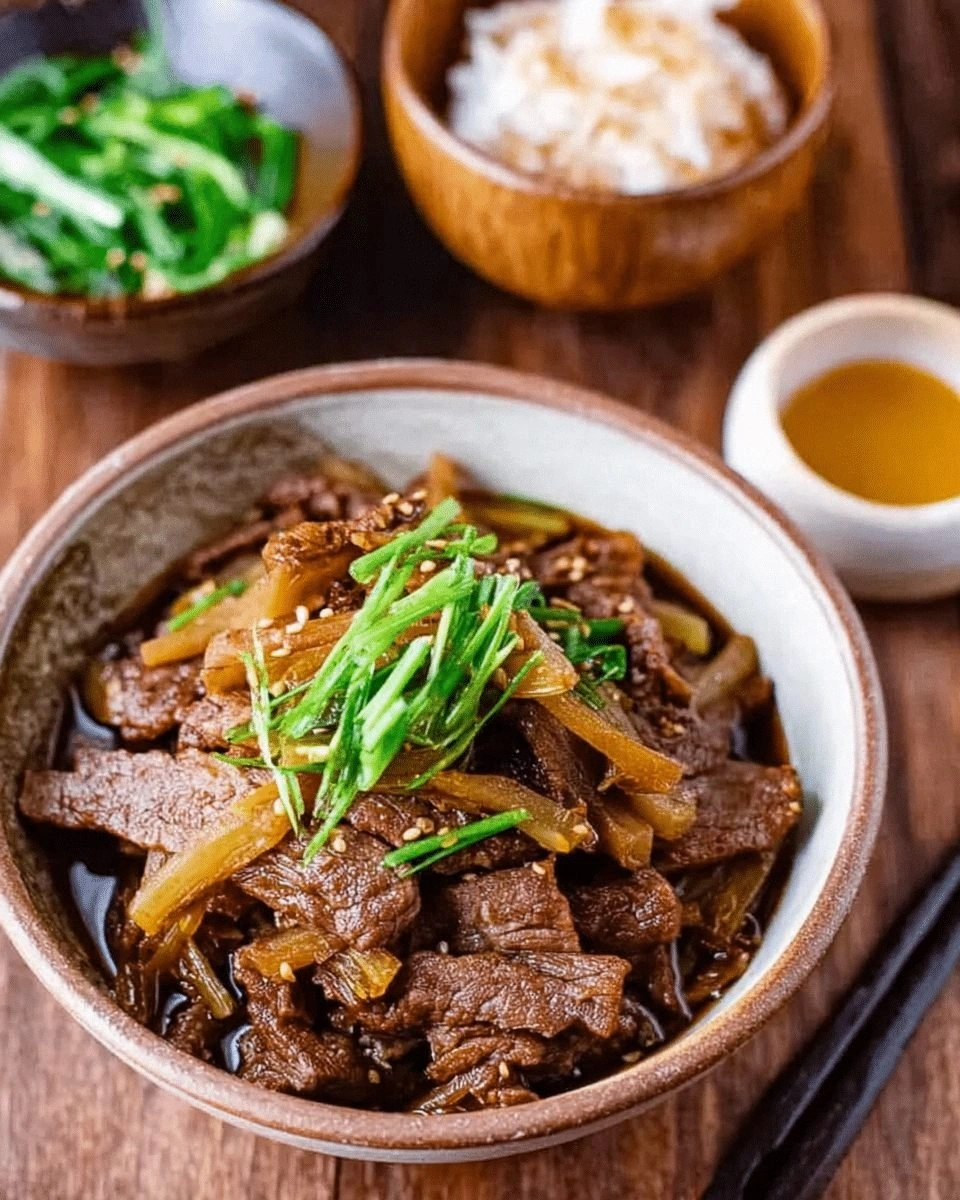
Wagyu beef is the star of the show. Its marbling is the secret sauce that turns a simple simmer into a melt‑in‑your‑mouth experience. Slice the meat into 1‑inch cubes for even cooking and quick tenderness. Gobo, or burdock root, slices thinly and adds a slight crunch that contrasts beautifully with the silky beef. If you’re feeling adventurous, a handful of sliced shiitake mushrooms can deepen the earthiness.
The Unexpected Star
Ginger and garlic are more than aromatics; they’re flavor punch‑cards. Grated ginger cuts through the richness with a zesty kick, while minced garlic offers a mellow, warm backdrop. Together, they elevate the broth into something that feels both comforting and sophisticated. If you’re a fan of heat, a pinch of crushed red pepper can add a subtle heat that pairs wonderfully with the sweet soy notes.
The Final Flourish
Scallions and toasted sesame seeds finish the dish with brightness and a satisfying crunch. The scallions provide a fresh, citrusy note that cuts through the richness, while sesame seeds add a nutty aroma and a textural pop. A drizzle of sesame oil at the end of cooking intensifies the nutty undertone and gives the sauce a glossy sheen. If you want a touch of citrus, a squeeze of yuzu or lemon juice can add a bright counterpoint.
Everything's prepped? Good. Let's get into the real action…
The Method — Step by Step
- Heat the sesame oil in a heavy‑bottomed pot over medium heat until it shimmers. Add the minced garlic and grated ginger, letting them sauté until fragrant—about 30 seconds. This step builds the aromatic foundation; don’t let them burn, or you’ll taste bitterness.
- Introduce the Wagyu cubes, searing them on all sides until they develop a golden crust. The sear locks in juices and creates a caramelized surface that enhances the umami profile. Watch the surface; when it turns a deep amber, you’re ready to move on.
- Pour in the dashi or water, soy sauce, mirin, and sake. Bring the mixture to a gentle boil, then reduce heat to a low simmer. This slow reduction allows the flavors to meld and the sauce to thicken just enough to cling to the beef.
- Add the sliced gobo and sugar. The gobo will absorb some of the broth, releasing its subtle earthy sweetness. Stir occasionally to prevent sticking; the sauce should start to thicken, coating the back of a spoon.
- Let the mixture simmer for 20 minutes, or until the beef is tender and the sauce has reduced to a glossy, caramel‑like consistency. Check the texture; the meat should be fork‑tender but still hold its shape.
- Season with salt and pepper to taste, then stir in the sliced scallions. The scallions add a fresh burst of flavor that cuts through the richness. Keep the heat low to preserve their bright color.
- Finish with a drizzle of sesame oil and a sprinkle of toasted sesame seeds. This final touch gives the sauce a glossy sheen and a nutty aroma that elevates the entire dish.
- Serve immediately over steamed rice or noodles, garnished with extra scallions and sesame seeds if desired. The sauce should coat the grains like velvet, creating a luxurious mouthfeel.
That’s it — you did it. But hold on, I've got a few more tricks that'll take this to another level…
Insider Tricks for Flawless Results
The Temperature Rule Nobody Follows
Many chefs simmer at a rolling boil, which can overcook the Wagyu and make it tough. The secret is a gentle low simmer—just enough to keep the liquid moving. This slow, steady heat preserves the meat’s tenderness and allows the sauce to thicken naturally.
Why Your Nose Knows Best
When the broth starts to caramelize, the aroma will shift from sweet to slightly smoky. Trust that scent as a cue to reduce the heat or add the gobo. The smell is a reliable indicator that the flavors are converging.
The 5-Minute Rest That Changes Everything
After simmering, let the dish rest uncovered for five minutes. This pause allows the juices to redistribute throughout the beef, ensuring every bite is evenly moist.
Perfect Garnish Timing
Scatter the toasted sesame seeds and scallions right before serving. If you add them too early, they’ll lose their crunch and bright flavor.
Heat Management During Rest
Keep the pot slightly covered during the rest period. This traps heat and prevents the sauce from evaporating too quickly, maintaining its glossy sheen.
Creative Twists and Variations
This recipe is a playground. Here are some of my favorite ways to switch things up:
Spicy Shigureni
Add a tablespoon of gochujang or a handful of sliced fresh chilies to the broth. The heat balances the sweetness and adds a vibrant color that’s perfect for adventurous palates.
Miso‑Infused Shigureni
Stir in a tablespoon of white miso after the broth has reduced. The miso deepens the umami profile and gives the sauce a subtle, savory tang.
Vegetarian Shigureni
Replace the Wagyu with thick slices of seared tofu or tempeh. The sauce still clings beautifully, and the dish becomes a hearty, plant‑based main.
Citrus Twist
Finish with a squeeze of yuzu or a splash of lime juice to cut through the richness and add a bright, refreshing note.
Rice Bowl Upgrade
Serve over a bowl of fragrant jasmine rice and top with a soft‑boiled egg. The yolk’s creaminess complements the sauce’s silky texture.
Noodle Variation
Swap rice for udon or soba noodles. The chewy noodles pair wonderfully with the glossy sauce and the tender beef.
Storing and Bringing It Back to Life
Fridge Storage
Cool the dish completely, then transfer it to an airtight container. Store in the refrigerator for up to 3 days. The sauce will thicken slightly; a quick stir will restore its glossy texture.
Freezer Friendly
Divide the dish into single‑serving portions and freeze in freezer‑safe bags. It will keep for up to 2 months. Thaw overnight in the fridge before reheating.
Best Reheating Method
Reheat gently in a saucepan over low heat, adding a splash of water or broth to loosen the sauce. Finish with a drizzle of sesame oil to bring back that glossy sheen.
Add a tiny splash of water before reheating — it steams back to perfection and prevents the sauce from drying out.