Picture this: you’re halfway through a marathon of Sunday brunch, the fridge is a sad, empty void, and the only thing that’s left to rescue the day is a stack of bacon‑crusted, potato‑laden frittata that you’ve been craving since last night. I was in that exact situation, and I realized that the key to a truly unforgettable breakfast—or brunch—lies in the tiny, seemingly innocuous details: the crispness of the bacon, the bite of the potato, and the silky, golden‑brown crust that forms on the top. I dared myself to make a version that would make the whole kitchen smell like a cozy farmhouse and taste like a warm hug from your favorite aunt. And I succeeded.
That night, the kitchen was a chaotic symphony of sizzling sounds, the metallic clink of a cast‑iron skillet, and the faint, comforting aroma of bacon frying. I watched as the potatoes turned from raw, pale cubes to caramelized, golden morsels, each one absorbing the smoky essence of the bacon. The air filled with the subtle, nutty scent of toasted onions and the sharp, aromatic punch of garlic. My taste buds were already tingling, and I knew I had stumbled upon a recipe that would become a staple in my culinary repertoire.
What makes this version stand out? It’s not just the ingredients; it’s the technique that turns an ordinary frittata into a showstopper. The bacon is cooked to a buttery crisp that still retains a hint of chew, the potatoes are diced just right to achieve a tender interior and a caramelized exterior, and the eggs are folded in with a secret whisking method that locks in a silky texture. The result? A golden, caramelized top that cracks with a satisfying snap, a fluffy interior that feels like a cloud, and a flavor profile that is simultaneously comforting and adventurous. I dare you to taste this and not go back for seconds.
And there’s a twist you won’t see in most recipes: a splash of smoked paprika that adds a subtle, smoky depth, and a handful of fresh herbs that bring brightness to the dish. The combination of these elements creates a harmony of flavors that is both hearty and surprisingly light. Most recipes get this completely wrong by over‑cooking the eggs or using too much oil. Here’s what actually works: a balance of heat, timing, and ingredient quality. This is hands down the best version you’ll ever make at home.
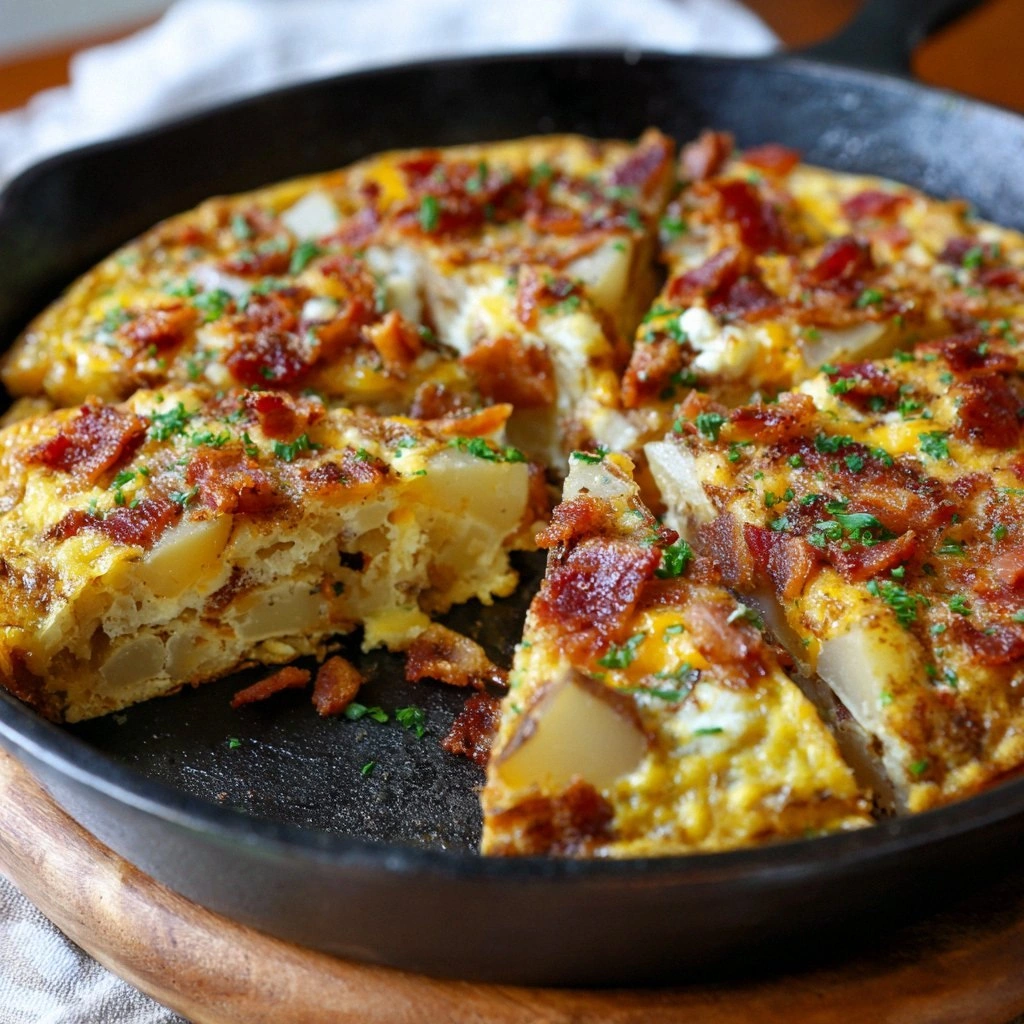
Imagine yourself pulling this golden masterpiece out of the oven, the whole kitchen smelling incredible, the steam rising in gentle waves that carry the savory scent of bacon and the earthy aroma of potatoes. The frittata sits on a rustic wooden board, its edges crisp, its center moist and tender. The moment you cut into it, the layers unfold like a perfectly baked loaf, revealing the gooey, cheesy heart that invites you to take a bite. If you've ever struggled with this, you're not alone—and I've got the fix.
So, buckle up. Let me walk you through every single step—by the end, you'll wonder how you ever made it any other way. This is not just a recipe; it’s a culinary adventure that will elevate your breakfast or brunch game to legendary status.
What Makes This Version Stand Out
- Flavor: The bacon isn’t just salty; it’s caramelized to a buttery crisp that adds a deep, savory undertone that permeates every bite.
- Texture: The potatoes are diced to achieve a tender core and a caramelized crust, creating a delightful contrast with the creamy eggs.
- Technique: A secret whisking method locks in air, resulting in a fluffy interior that feels like a cloud.
- Simplicity: Only nine ingredients, no fancy equipment—just a skillet, an oven, and a little patience.
- Versatility: Perfect for breakfast, brunch, or a hearty dinner; it can be made ahead and reheated without losing its charm.
- Visual Appeal: The golden top, the crisp edges, and the burst of color from fresh herbs make it Instagram‑worthy.
Alright, let's break down exactly what goes into this masterpiece…
Inside the Ingredient List
The Flavor Base
At the heart of this frittata is the bacon, which provides a rich, smoky foundation that elevates every other component. Choose thick‑cut bacon for a deeper flavor and a more satisfying chew. The onion adds a subtle sweetness that balances the saltiness of the bacon, while the garlic delivers a punch of aroma that permeates the entire dish. Together, they create a savory base that is both comforting and complex.
The Texture Crew
Potatoes are the unsung heroes that give the frittata its hearty texture. When diced into bite‑sized cubes, they absorb the bacon’s oils and develop a golden crust that adds crunch. The eggs, whisked with milk, provide a silky, custard‑like consistency that clings to the potatoes and cheese, creating a cohesive bite. If you skip the potatoes, the frittata becomes a flat, dense egg cake—just not as satisfying.
The Unexpected Star
Smoked paprika is the secret ingredient that adds depth without overpowering the dish. Its subtle smokiness complements the bacon, while the fresh herbs—parsley and chives—inject a bright, herbal note that cuts through the richness. These herbs also add a pop of color, making the frittata visually appealing and appetizing.
The Final Flourish
Cheddar and Parmesan cheeses bring a creamy, melty finish that coats the eggs and potatoes. The cheddar provides a sharp, tangy flavor, while the Parmesan adds a nutty, umami kick. A splash of milk keeps the eggs from drying out during baking, and a dash of black pepper adds a mild heat that rounds out the flavor profile. Together, they create a mouth‑watering, gooey center that is simply irresistible.
Everything's prepped? Good. Let's get into the real action…
The Method — Step by Step
- Heat a 10‑inch cast‑iron skillet over medium heat. Add the diced bacon and cook, stirring occasionally, until the fat has rendered and the bacon is crisp but not burnt. The bacon should sizzle like a happy jazz solo, releasing a savory aroma that fills the kitchen. Once done, transfer the bacon to a paper‑towel‑lined plate and reserve the drippings for the next step. This is the moment of truth: the bacon’s texture sets the stage for the entire dish.
- In the same skillet, add the diced potatoes. Sauté them for about 8 minutes, stirring frequently, until they start to turn golden brown on the edges. The potatoes will absorb the bacon fat, gaining a caramelized flavor that’s simply irresistible. Keep an eye on them; if they brown too quickly, reduce the heat to avoid burning. The sizzling sound here is music to any food lover’s ears.
- Add the diced onion and minced garlic to the skillet. Cook for another 3–4 minutes, until the onion is translucent and the garlic is fragrant. The combination of onion and garlic will create a flavor base that’s both sweet and sharp. Watch the mixture; when the onion turns a golden amber, it’s a sign that the flavor is developing beautifully.
- Pour in the milk and stir to combine, ensuring the milk is evenly distributed throughout the potatoes and onions. The milk helps keep the eggs from drying out during baking and adds a silky texture. Let the mixture simmer for 2 minutes, allowing the flavors to meld together. The steam rising from the skillet should be like a warm blanket, inviting you to stay and enjoy.
- In a large bowl, whisk the eggs until frothy. Add the shredded cheddar, grated Parmesan, smoked paprika, salt, black pepper, and a pinch of fresh herbs (parsley and chives). Whisk until the mixture is uniform and the herbs are evenly dispersed. This step is crucial for achieving a cohesive texture; a well‑whisked mixture ensures the cheese melts evenly and the eggs remain fluffy.
- Return the skillet to low heat and pour the egg mixture over the potato and bacon mixture. Stir gently to distribute the eggs evenly. The skillet should feel warm and comforting, and the mixture should begin to set at the edges. Let it cook for 5–7 minutes, until the edges start to lift from the skillet but the center remains slightly runny. This is when the frittata’s texture starts to solidify, creating that coveted custard consistency.
- Transfer the skillet to a preheated oven at 375°F (190°C). Bake for 20–25 minutes, or until the top is golden brown and the center is set but still slightly moist. The oven’s steady heat will finish the cooking process, ensuring the frittata is perfectly cooked throughout. Keep an eye on the top; if it browns too quickly, cover the skillet loosely with foil to prevent burning.
- Remove the skillet from the oven and let the frittata rest for 5 minutes. This resting period allows the flavors to settle and the edges to crisp further. While it rests, sprinkle a handful of fresh herbs over the top for a burst of color and freshness. The final result will be a golden, caramelized crust with a soft, cheesy interior that melts in your mouth.
That's it — you did it. But hold on, I've got a few more tricks that'll take this to another level…
Insider Tricks for Flawless Results
The Temperature Rule Nobody Follows
Many cooks overheat the skillet when adding the egg mixture, causing the eggs to scramble. The trick is to keep the heat on low and let the eggs gently set. I’ve found that a temperature of around 250°F (120°C) in the oven works best for a slow, even bake that keeps the interior moist.
Why Your Nose Knows Best
As the frittata cooks, the scent of bacon, cheese, and potatoes will intensify. Trust your nose; when it smells toasty and nutty, it’s a sign the frittata is nearing perfection. This sensory checkpoint saves you from overcooking and ensures a perfectly balanced flavor profile.
The 5‑Minute Rest That Changes Everything
After removing the frittata from the oven, let it rest for exactly five minutes. This short pause allows the eggs to finish setting, the cheese to firm up, and the flavors to meld. The result is a frittata that slices cleanly and holds together beautifully.
Use a Silicone Baking Mat
When transferring the skillet to the oven, place a silicone baking mat underneath. This prevents sticking and makes cleanup a breeze. It also ensures even heat distribution, giving you a uniformly cooked frittata.
Keep the Skillet Clean
After cooking, rinse the skillet immediately to prevent the bacon fat from hardening. A clean skillet ensures that the next batch of frittata turns out just as crispy and flavorful as the first.
Creative Twists and Variations
This recipe is a playground. Here are some of my favorite ways to switch things up:
Smoky Chipotle Frittata
Swap the smoked paprika for chipotle powder and add a tablespoon of adobo sauce. The result is a smoky, mildly spicy frittata that pairs wonderfully with fresh avocado slices.
Herb‑Infused Greek Style
Replace cheddar with feta, add a handful of chopped spinach, and sprinkle dried oregano. This version offers a Mediterranean twist with a tangy, herby flavor profile.
Vegetarian Delight
Omit the bacon entirely, and increase the amount of diced bell pepper and zucchini. The frittata becomes a colorful, veggie‑packed breakfast that’s still hearty and satisfying.
Cheese‑Lover’s Dream
Use a blend of Gruyère, mozzarella, and aged cheddar for a richer, meltier texture. The extra cheese adds depth and a luxurious mouthfeel that makes each bite indulgent.
Breakfast Burrito Frittata
Add a handful of cooked chorizo, a splash of salsa, and top with a sprinkle of fresh cilantro. This version brings the flavors of a breakfast burrito into a single, portable dish.
Low‑Carb Powerhouse
Replace the potatoes with cauliflower florets, and reduce the cheese slightly. The result is a low‑carb frittata that still delivers on flavor and texture.
Storing and Bringing It Back to Life
Fridge Storage
Wrap the cooled frittata tightly in plastic wrap and store it in the refrigerator for up to 3 days. When ready to serve, slice and reheat in the oven at 350°F (175°C) for 10 minutes to restore the crispness.
Freezer Friendly
Place the frittata in a freezer‑proof container or freezer bag, and freeze for up to 2 months. To reheat, thaw overnight in the fridge, then bake at 350°F (175°C) for 15 minutes.
Best Reheating Method
To keep the frittata moist and flavorful, add a splash of water to the skillet before reheating. The steam created will bring the frittata back to its original, silky texture.