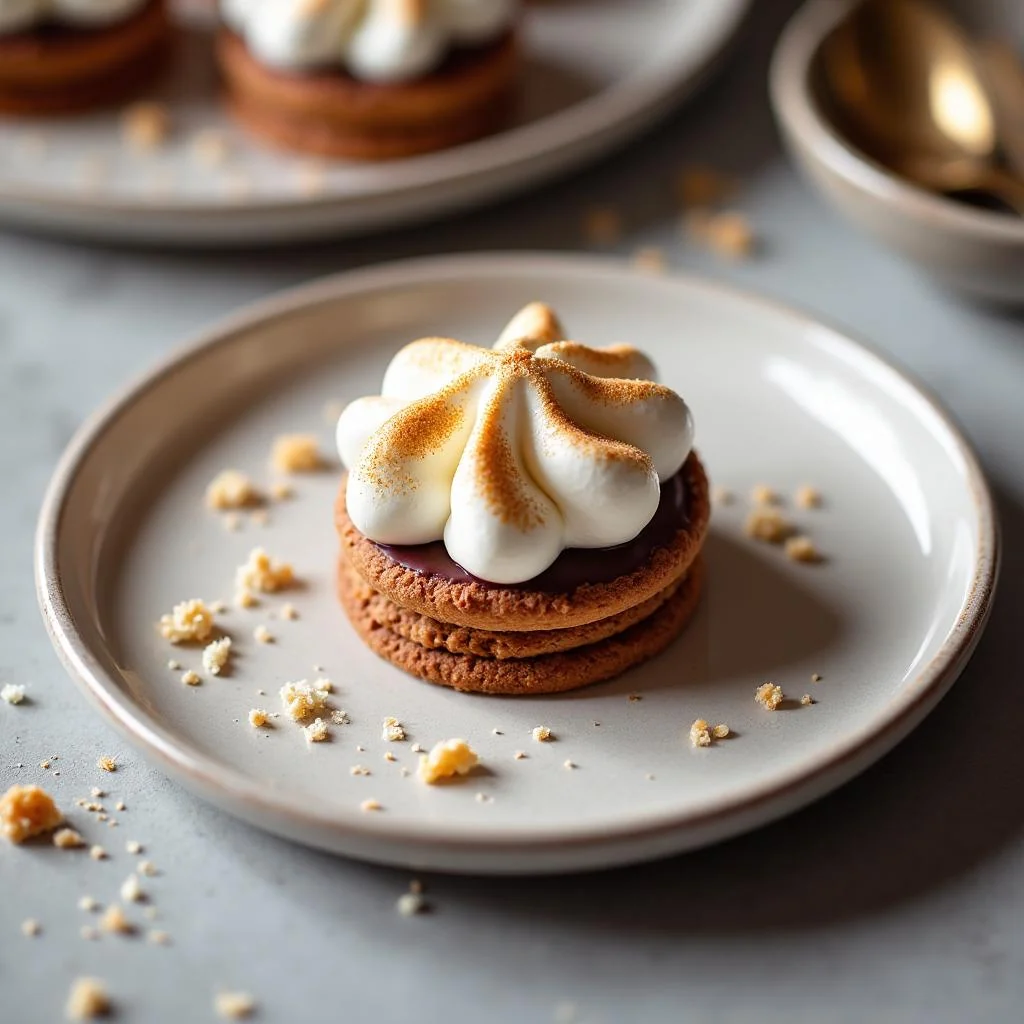
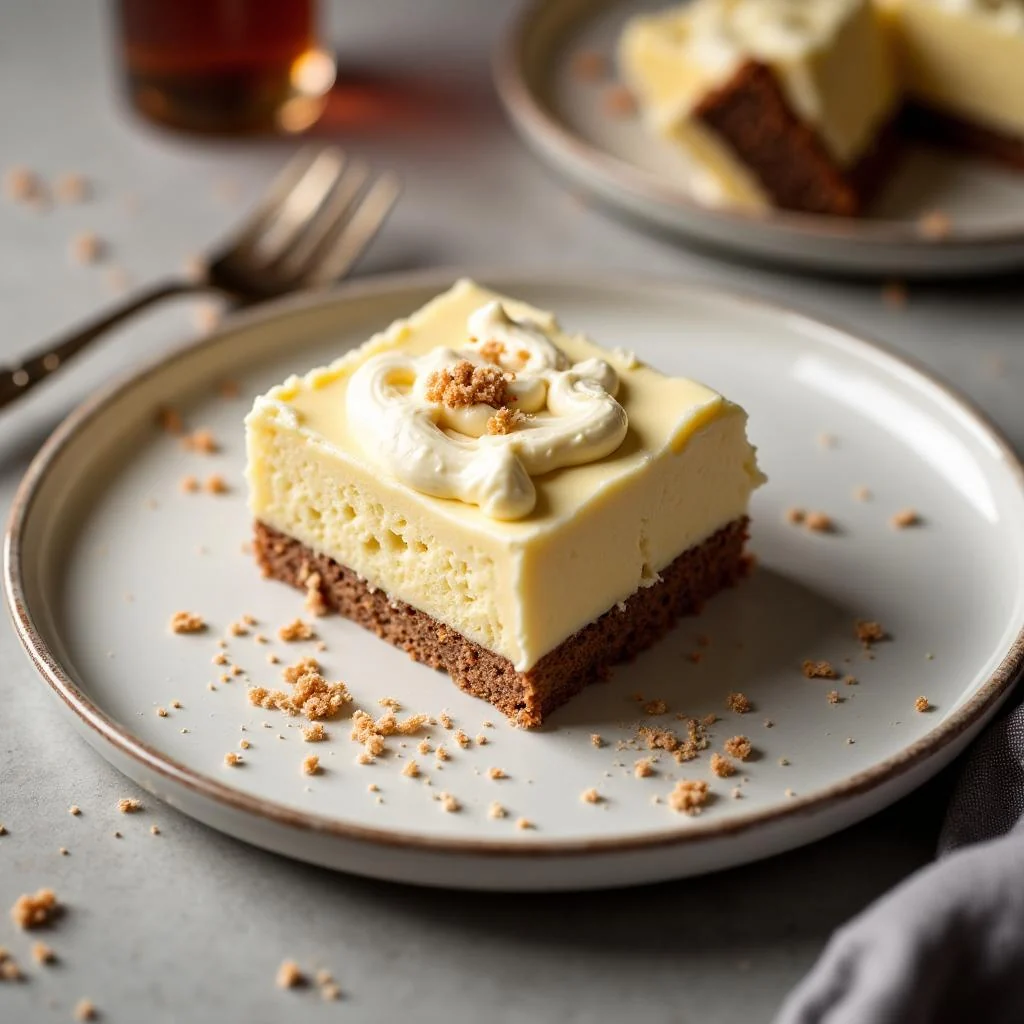
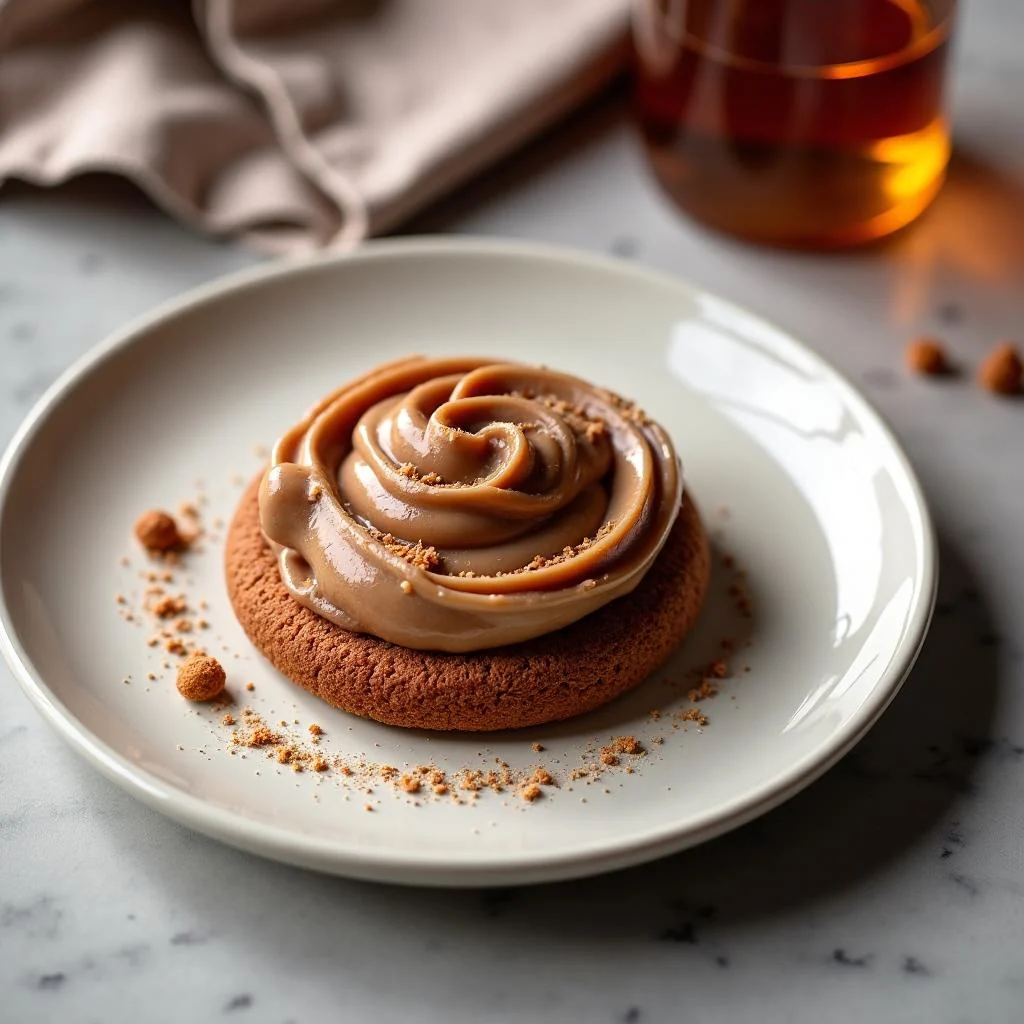
Picture this: a kitchen that smells of cinnamon and apples, a pan sizzling with batter, and a friend daring you to taste a slice before you even finish the first bite. I was halfway through a disastrous pumpkin pie that had turned into a sticky mess, when I remembered the humble applesauce cake recipe that my grandma used to make. The moment the batter hit the oven, the kitchen filled with a warm, caramelized aroma that could make any skeptic swoon. This isn’t just a cake; it’s a passport to nostalgia, a quick fix for a last‑minute dessert, and a sweet reminder that sometimes the simplest ingredients bring the richest joy. Let me walk you through every single step — by the end, you’ll wonder how you ever made it any other way.
What Makes This Version Stand Out
- Texture: The applesauce keeps the cake moist without heavy butter, giving it a cloud‑like crumb that melts in your mouth.
- Flavor: Ground cinnamon is folded into the batter, not just sprinkled on top, so every bite bursts with spice.
- Simplicity: Only a handful of pantry staples are required, making it a go‑to for busy evenings.
- Versatility: The cake can be served plain, frosted, or layered with fresh fruit for a show‑stopping dessert.
- Make‑ahead: The batter freezes well, so you can bake ahead and finish the day with a fresh, warm cake.
- Healthier Twist: Replacing half the butter with applesauce cuts calories while boosting fiber and natural sweetness.
Alright, let's break down exactly what goes into this masterpiece...
Inside the Ingredient List
The Flavor Base
Ground cinnamon is the star that turns ordinary batter into a fragrant, warm hug. It dissolves slowly as the cake bakes, releasing its sweet, woody notes. If you skip it, you’ll miss that unmistakable spice kick that makes this cake memorable. Swap it with nutmeg for a different warm profile, but keep the quantity the same to maintain balance.
The Texture Crew
Applesauce is the unsung hero that replaces part of the butter, reducing greasiness while adding moisture and natural sweetness. The applesauce’s pectin works like a binder, keeping the crumb tender. Without it, the cake would be denser and less airy. Choose unsweetened applesauce to control the overall sugar level.
The Unexpected Star
Cream cheese frosting adds a tangy counterpoint to the sweet batter, creating a layered flavor experience. Its richness balances the lightness of the cake, while the powdered sugar ensures a silky finish. If you’re vegan, a coconut‑cream base can mimic the same texture and tang. The frosting also doubles as a decorative element, giving the cake a glossy, professional look.
The Final Flourish
Butter, though reduced, still contributes depth and a buttery sheen. It’s softened to blend seamlessly with the applesauce, preventing clumps. Skipping it will result in a drier crumb. For a lower‑fat option, use Greek yogurt in place of butter for extra protein and moisture.
Everything's prepped? Good. Let's get into the real action...
The Method — Step by Step
- Preheat the oven to 350°F (175°C). Grease and flour an 8‑inch round cake pan, then tap the bottom to remove excess flour. This prevents sticking and ensures even heat distribution. I dare you to taste this and not go back for seconds.
- In a medium bowl, whisk together 2 cups flour, 1 tsp baking powder, 1 tsp baking soda, 1/2 tsp salt, 2 tsp cinnamon, 1 cup sugar, and 1/2 cup brown sugar. This dry mix will create the cake’s structure. Kitchen Hack: Sift the dry ingredients through a fine sieve to avoid lumps and ensure a silky crumb.
- In another bowl, beat 1 cup applesauce, 1/2 cup brown sugar, 2 eggs, 1 tsp vanilla extract, 1/2 cup softened butter, and 1 cup milk until the mixture is smooth and glossy. The applesauce and butter work together to keep the cake moist. The eggs bind everything, so don’t skip them. The vanilla adds a subtle depth that complements the cinnamon.
- Pour the wet mixture into the dry ingredients and stir gently with a spatula until just combined. Overmixing here will develop gluten and produce a dense texture. Watch Out: if the batter appears lumpy, give it a quick fold instead of a vigorous stir. The batter should feel smooth but slightly thick.
- Transfer the batter into the prepared pan and tap the pan on the counter to release any trapped air bubbles. A smooth surface ensures even baking. This is the moment of truth—watch how the batter rises and sets. The edges will start pulling away when it’s ready.
- Bake for 30–35 minutes, or until a toothpick inserted into the center comes out clean. The cake should have a golden‑brown top and a fragrant, toasty scent. While baking, the cinnamon will release its oils, creating a subtle aroma that fills the kitchen.
- While the cake cools, prepare the frosting: beat 8 oz softened cream cheese, 1/2 cup softened butter, 2 cups powdered sugar, 1 tsp vanilla, and a pinch of salt until fluffy and smooth. The cream cheese provides tang, the butter adds richness, and the powdered sugar gives the right thickness. Kitchen Hack: Use a chilled bowl for the frosting; it keeps the butter from melting and results in a thicker, more stable spread.
- Let the cake cool completely on a wire rack before frosting. This prevents the frosting from melting into a puddle. Once cooled, spread the frosting evenly over the top with a spatula. The frosting will set into a silky finish that glistens under the kitchen lights.
- Optional: garnish with a dusting of cinnamon or thin apple slices for an extra burst of flavor and a decorative touch. The garnish not only adds visual appeal but also enhances the aromatic experience.
- Serve at room temperature or slightly chilled. The cake’s moist crumb pairs wonderfully with a cup of coffee or a splash of vanilla milk. If you’re feeling adventurous, drizzle a little maple syrup over the top for a caramel twist.
That's it — you did it. But hold on, I've got a few more tricks that'll take this to another level...
Insider Tricks for Flawless Results
The Temperature Rule Nobody Follows
Bake at a steady 350°F; fluctuating temperatures can cause the cake to rise unevenly, leading to a domed top that cracks. Keep your oven preheated for at least 15 minutes before sliding the pan in. If you’re using a convection oven, lower the temperature by 25°F to compensate for the fan’s extra heat.
Why Your Nose Knows Best
The aroma of baking cinnamon and apples is your best judge of doneness. If you smell a sweet, nutty scent, the cake is almost ready. A faint, sour smell indicates underbaked batter; let it bake a few more minutes. Trust your senses—your nose is a reliable cue that the cake is perfectly cooked.
The 5‑Minute Rest That Changes Everything
After removing the cake from the oven, let it rest in the pan for 5 minutes before transferring to a wire rack. This short rest allows the cake to finish setting, preventing it from breaking apart when you remove it. I’ve seen cakes crumble after a quick transfer—this simple step saves the day.
Use a Water Bath for Moisture
If you’re baking in a very dry climate, place a shallow pan of hot water in the oven beneath the cake. The steam keeps the cake moist and prevents the top from drying out. This trick is especially useful for large batches or when baking on a high rack.
The Perfect Frosting Consistency
If your frosting is too stiff, add a tablespoon of milk or cream and beat again until smooth. If it’s too runny, fold in a little more powdered sugar. The goal is a spreadable, silky texture that coats the cake without dripping.
Creative Twists and Variations
This recipe is a playground. Here are some of my favorite ways to switch things up:
Nutty Crunch Layer
Fold 1/2 cup chopped pecans into the batter for a crunchy texture. The nuts add a buttery flavor that complements the cinnamon. Serve with a drizzle of honey for a sweet‑savory combo. This version is a hit at holiday gatherings.
Apple Pie Cake
Add 1 cup diced apples and 1 tsp ground ginger to the batter for a spiced apple pie feel. The apples release moisture as they bake, keeping the cake extra tender. Top with a crumbly streusel for extra texture.
Chocolate Swirl
Swirl 1/4 cup melted dark chocolate into the batter before baking. The chocolate creates a marbled effect and a rich flavor contrast. Pair with a chocolate glaze for a decadent treat.
Maple‑Infused
Replace 1/4 cup milk with maple syrup and add an extra 1/2 tsp cinnamon. The maple adds depth and a subtle sweetness that pairs well with the applesauce. This variation is perfect for a cozy fall brunch.
Vegan Version
Use coconut milk instead of dairy milk, flaxseed eggs (1 tbsp ground flaxseed + 3 tbsp water), and a vegan cream cheese alternative for frosting. The texture remains airy, and the flavor stays true to the original. This version is great for plant‑based diets.
Spiced Citrus Twist
Add 1 tsp orange zest and 1/2 tsp cardamom to the batter. The citrus brightens the cinnamon, while cardamom adds a floral undertone. Garnish with candied orange peel for a festive look.
Storing and Bringing It Back to Life
Fridge Storage
Wrap the cake tightly in plastic wrap and store in the refrigerator for up to 5 days. The frosting will firm up, so let the cake sit at room temperature for 15 minutes before slicing to soften the glaze. Keep the cake in a cool, dry place to avoid excess moisture.
Freezer Friendly
For longer storage, wrap the cake in foil and place in a freezer bag. Freeze for up to 3 months. Thaw overnight in the refrigerator, then bring to room temperature before serving. The cake’s moist crumb remains intact.
Best Reheating Method
Preheat the oven to 300°F (150°C). Place the cake on a parchment‑lined sheet and warm for 10–12 minutes. Add a tiny splash of water to the pan before reheating—this steams the cake back to perfection, restoring its airy texture. Avoid microwaving; it can make the cake rubbery.