I was in the middle of a late‑night binge‑watch session when my kitchen turned into a culinary battlefield. I had a can of shredded chicken, a can of diced tomatoes, and a handful of pantry staples, and I decided, “Why not make a soup?” The moment the can opener cracked, the aroma of simmering tomatoes hit me like a warm hug, and I was hooked. That was the first spark of a recipe that would later become my go-to comfort dish. I’ve tried countless chicken taco soups, but this version—crafted from seven cans of pure flavor—has become a staple in my fridge. It’s the kind of soup that makes you forget you ever had to cook anything else that day. Picture a bowl that’s spicy, creamy, and packed with hearty beans, all in one pot. The moment the steam rises, you’ll feel like you’re standing at the edge of a Mexican market, hearing the clatter of pots and the hum of a salsa beat. Let me walk you through every single step—by the end, you’ll wonder how you ever made it any other way.
I dare you to taste this and not go back for seconds. The first bite is a burst of tomato tang, followed by the subtle heat of cumin and chili powder. The beans soften to a silky texture that clings to the spoon, while the shredded chicken remains tender and flavorful. The finished soup feels like a hug wrapped in a tortilla, with a whisper of lime and cilantro. If you’ve ever struggled to balance the flavors in a taco soup, you’re not alone—and I’ve got the fix. I’ll be honest—this is hands down the best version you’ll ever make at home. The secret is in the layering of flavor and the timing of the add‑ins. Stay with me here—this is worth it.
Most recipes get this completely wrong by over‑sautéing the onions or adding the beans too early. In my version, the onions are sautéed just until they’re translucent, preserving their natural sweetness. The tomatoes, when they hit the pot, release their juices and create a base that’s both acidic and savory. The beans are added in the final minutes, so they stay firm and don’t become mushy. The shredded chicken is tossed in at the same time as the beans, ensuring it’s heated through but not overcooked. This small tweak transforms the entire texture profile of the soup. The result? A hearty, well‑balanced dish that satisfies both your taste buds and your appetite. I’ve seen people ask me for the secret—trust me, it’s all about timing. And if you’re curious, I’ll reveal the trick later in this post.
I’m not just talking about any chicken taco soup; this is a powerhouse of flavor that uses seven cans of pure goodness. The first can of diced tomatoes provides a robust, slightly sweet base. The second can of corn adds a pop of color and a sweet crunch. The third can of black beans offers protein and a silky texture. The fourth can of diced green chilies gives a gentle heat that’s not overpowering. The fifth can of chicken broth ties everything together with a savory depth. The sixth can of shredded chicken delivers the protein punch, while the seventh can of tomato sauce thickens the soup into a comforting stew. The synergy of these cans creates a dish that’s more than the sum of its parts. It’s a bowl of sunshine, heat, and heartwarming comfort.
Picture yourself pulling this out of the oven, the whole kitchen smelling incredible, and hearing the sizzle of onions in the pan. The aroma alone can transport you to a bustling taco stand, where the air is filled with cilantro, lime, and fresh tortillas. The sound of the pot bubbling is like music to a cook’s ears. The sight of the golden‑brown broth is a visual promise of flavor. The touch of the steam is warm and inviting. The first spoonful is a burst of flavor that hits your palate like a well‑timed drumbeat. I’ve watched people stare in disbelief as the soup hits their bowls. It’s a sensory experience that goes beyond just eating. It’s a moment of culinary triumph.
If you’ve ever struggled with this, you’re not alone—and I’ve got the fix. The trick is to let the tomatoes and spices cook down until they’re almost caramelized before adding the beans. This deepens the flavor and ensures the soup isn’t just a mix of canned ingredients. The beans should be added in the last ten minutes to preserve their structure. The shredded chicken should be added just enough to warm it through. The result is a soup that’s both comforting and complex. The secret is in the layering and the timing of the add‑ins. This method turns a simple recipe into a gourmet experience. The next time you’re in the kitchen, try this approach and see the difference.
And now the fun part: the finishing touches that elevate this soup from good to unforgettable. A dollop of sour cream, a sprinkle of shredded cheese, and a squeeze of lime are the final strokes on a culinary canvas. The lime adds a bright citrus note that cuts through the richness. The cheese melts into a silky coating that clings to every spoonful. The sour cream adds a creamy tang that balances the heat. These toppings are optional, but they add that final pop of flavor that makes the soup sing. The best part is that you can customize the toppings to suit your taste. Add jalapeños for extra heat or a handful of chopped cilantro for a fresh finish. The possibilities are endless. The end result is a bowl of pure, comforting joy.
I’ve spent countless hours in the kitchen, experimenting with different spices and techniques. I’ve tried adding a splash of beer for depth, but the tomato base already had enough complexity. I’ve tried using fresh chicken instead of canned, but the canned version saves time and still tastes amazing. The key is to keep the soup simple and let the canned ingredients shine. The result is a dish that’s easy to make, but packed with flavor. The best part is that it’s a crowd‑pleaser, whether you’re feeding a family or a group of friends. The next time you’re in a hurry, this soup will be your lifesaver. It’s a recipe that works, no matter what your schedule looks like.
What Makes This Version Stand Out
Flavor Depth: The combination of seven distinct canned ingredients creates layers of taste that evolve with each spoonful. The tomato base is sweet yet acidic, the corn adds subtle sweetness, and the beans provide a silky texture. The diced green chilies give a gentle heat, while the shredded chicken contributes a savory protein punch. The chicken broth ties everything together with a subtle umami note. The result is a soup that feels complex without being overwhelming.
Texture Variety: The beans remain firm, the corn stays slightly crunchy, and the shredded chicken is tender but not mushy. The tomato sauce thickens the broth into a comforting stew, while the addition of cheese and sour cream creates a creamy coating. This variety keeps each bite interesting and satisfying. The contrast between the soft broth and the hearty beans is a hallmark of this recipe.
Simplicity: All you need are seven cans and a handful of pantry staples. No need for fresh produce or exotic spices. The recipe is a one‑pot wonder, perfect for busy nights. The minimal prep time and single pot cleanup make it a go-to dish for anyone looking to save time without sacrificing flavor.
Uniqueness: While most taco soups rely on a handful of ingredients, this version harnesses the power of canned goods to create a robust, layered flavor profile. The use of seven distinct cans is a game‑changer, ensuring that every spoonful is a new experience. The recipe is a testament to how pantry staples can be transformed into a gourmet dish.
Crowd Reaction: Friends and family rave about the bold flavor and comforting texture. Many have requested this soup at gatherings, and it always becomes the centerpiece. The dish is versatile enough to serve as a main course or a hearty side. Its comforting nature makes it a hit with both kids and adults.
Ingredient Quality: Using high‑quality canned goods, preferably organic and low‑sodium, elevates the overall taste. The quality of the canned chicken and beans directly impacts the texture and flavor. Opting for fresh‑from‑the‑can ingredients ensures the best possible outcome.
Make‑Ahead Potential: The soup can be prepared in advance and refrigerated for up to five days. The flavors meld together over time, becoming even richer. It’s an excellent make‑ahead option for busy weeknights or when you need a quick, comforting meal.
Alright, let’s break down exactly what goes into this masterpiece…
Inside the Ingredient List
The Flavor Base
The flavor base is the cornerstone of this soup, built around a trio of tomatoes that provide depth and sweetness. The first can of diced tomatoes (14.5 oz) offers a bright, slightly acidic foundation that balances the richness of the other ingredients. The second can of tomato sauce (8 oz) thickens the broth, giving it a velvety mouthfeel that coats the spoon. The third can of diced green chilies (4 oz) adds a gentle heat that lingers on the palate without overwhelming the other flavors. If you skip any of these, the soup loses its complexity; the tomatoes are essential for that authentic taco soup kick.
These three cans work together to create a base that is both savory and slightly sweet. The tomatoes’ natural sugars caramelize as they simmer, adding a subtle depth that’s hard to replicate with fresh produce. The green chilies introduce a mild peppery note that complements the cumin and chili powder. The tomato sauce’s thicker consistency ensures the broth doesn’t become watery, giving the soup a satisfying body. Together, they form the flavor backbone that supports the rest of the ingredients.
A great tip is to let the tomatoes simmer until the liquid reduces by about a third, concentrating the flavors. This step is optional but recommended for a richer taste. If you’re short on time, simply bring the tomatoes to a boil and let them simmer for 10 minutes before adding the other ingredients. The key is to allow the tomatoes to release their juices, creating a flavorful broth that carries the spices and beans. This approach ensures every spoonful is packed with tomato goodness.
When shopping for canned tomatoes, look for brands that offer no‑added‑salt or low‑sodium options. This gives you more control over the final seasoning. Avoid canned tomatoes with added sugars, as they can make the soup overly sweet. Fresh tomatoes can be used in a pinch, but the canned version provides a consistent flavor profile that’s hard to match. The canned tomatoes’ uniform size also ensures even cooking.
If you want a smoky twist, add a splash of chipotle in adobo to the base. This will deepen the flavor and give the soup a subtle heat. Another alternative is to use roasted tomatoes for a richer, earthier taste. However, the classic canned tomatoes remain the most reliable choice for a quick, comforting soup. They’re pantry staples that can be stored for months, making this recipe a convenient weeknight option.
The base sets the stage for the rest of the ingredients, so treat it with care. Let it simmer until it’s fragrant and slightly thickened, then add the beans and chicken. The timing of this step is crucial; a rushed base can result in a bland soup. By taking the time to develop the base, you’re setting yourself up for a delicious, satisfying meal. The base’s richness will carry through the entire soup, ensuring every bite is flavorful.
Remember, the base is the foundation. Treat it like a foundation for a beautiful face; without it, the rest of the ingredients won’t shine. The tomatoes’ acidity cuts through the richness of the beans and chicken, while the sauce adds body. The green chilies bring a gentle heat that lingers on the palate. The result is a soup that’s both comforting and complex, a true testament to the power of canned ingredients. The base is the secret that turns this soup into a crowd‑pleaser.
And now that we’ve dissected the flavor base, let’s move on to the other components that add texture and protein to this dish.
The Texture Crew
The texture crew brings the heartiness that makes this soup satisfying. The first member is the corn, a can of sweet corn kernels that adds a pop of color and a slight crunch. The corn’s natural sweetness balances the acidity of the tomatoes and the heat of the chilies. The second member is the black beans, a can of beans that provides a silky, creamy texture when cooked. The beans absorb the flavors of the broth, becoming a comforting, protein‑rich component. The third member is the shredded chicken, a can that adds a tender, meaty bite that keeps the soup hearty.
When adding the corn and beans, it’s essential to keep them from becoming mushy. The beans should be added in the last 10 minutes of cooking to preserve their structure, while the corn should be added just before the soup finishes to maintain its crunch. The shredded chicken is added at the same time as the beans, ensuring it heats through without drying out. This careful timing keeps the soup from becoming a mushy mess.
If you’re looking for a dairy‑free version, simply omit the cheese and sour cream and replace them with a splash of coconut milk. This will add a creamy texture without compromising the flavor profile. Another option is to add a handful of chopped fresh cilantro at the end for a fresh burst of flavor and a pop of green. The texture crew is versatile, so feel free to experiment with different beans or add a handful of diced avocado for a creamy, buttery finish.
The beans’ texture is a key component of the soup’s overall mouthfeel. They should be soft but still hold their shape, allowing each spoonful to have a satisfying bite. The corn’s crunch provides a contrast that keeps the soup interesting. The shredded chicken’s tenderness adds a comforting, protein‑rich element that makes the soup a filling meal. Together, these textures create a harmonious balance that’s both comforting and exciting.
When selecting beans, choose low‑sodium, no‑add‑salt options to keep the soup from becoming too salty. Rinse the beans under cold water to further reduce sodium and improve texture. If you’re using fresh beans, cook them until they’re just tender before adding them to the soup. The beans should be soft enough to break apart slightly but still hold their shape. This balance is essential for a satisfying texture profile.
The texture crew also plays a role in the soup’s nutritional profile. Beans add protein and fiber, making the soup a balanced meal. Corn adds vitamins and a touch of natural sweetness, while the shredded chicken provides lean protein. Together, they create a wholesome dish that satisfies both hunger and taste buds. The texture crew is the backbone of the soup’s comforting nature, ensuring every spoonful is a delightful experience.
If you want to add a little crunch, sprinkle some crushed tortilla chips on top before serving. This adds a delightful textural contrast that pairs well with the creamy broth. Alternatively, you can add a handful of roasted chickpeas for an extra protein boost and a nutty crunch. The texture crew is adaptable, allowing you to tailor the soup to your preferences. The key is to keep the beans firm, the corn crunchy, and the chicken tender.
The texture crew is what keeps the soup from feeling flat or one‑dimensional. Each component brings a unique mouthfeel that complements the others. The beans’ silky texture, the corn’s crunch, and the chicken’s tenderness combine to create a soup that’s both comforting and exciting. By paying attention to texture, you’re ensuring that every bite is a sensory delight.
The Unexpected Star
The unexpected star of this recipe is the can of chicken broth. While it may seem like a simple liquid, it plays a pivotal role in tying all the flavors together. The broth provides a savory depth that enhances the tomatoes, beans, and chicken. It also helps to balance the sweetness of the corn and the acidity of the tomatoes. Without the broth, the soup would feel thin and watery, lacking the comforting body that makes it a crowd‑pleaser.
Choosing a high‑quality broth is essential for a flavorful soup. Look for low‑sodium or no‑added‑salt options to avoid a salty finish. A homemade broth would be ideal, but a store‑bought one works well if you’re short on time. The broth’s savory profile adds a layer of complexity that elevates the soup from simple to gourmet. It’s the glue that holds the flavors together, ensuring each bite is harmonious.
If you’re looking to cut down on sodium, try using a low‑sodium broth or adding a splash of water and then seasoning the soup to taste. Another option is to use a bouillon cube dissolved in water, but be mindful of the sodium content. The broth also helps to thin out the soup if it becomes too thick, giving you control over the desired consistency. The unexpected star is a subtle, but essential component that makes the soup truly special.
The broth’s role is similar to that of a conductor in an orchestra, guiding each instrument to play in harmony. It ensures that the tomatoes, beans, and chicken are all in sync, creating a balanced, delicious flavor profile. The broth also adds moisture, preventing the soup from becoming dry or clumpy. It’s an unsung hero that deserves recognition for its contribution to the dish’s overall success.
If you’re a fan of umami, consider adding a splash of soy sauce or Worcestershire sauce to the broth for an extra depth of flavor. However, be careful not to overdo it, as the soup already contains a lot of savory elements. The broth can also be infused with herbs like bay leaves or thyme for added aroma and depth. The unexpected star is a versatile ingredient that can be tweaked to suit your taste preferences.
In short, the broth is the unsung hero that brings everything together. Its savory depth enhances the other ingredients, while its moisture keeps the soup from drying out. The broth’s role is essential for creating a balanced, comforting dish that satisfies both the palate and the appetite. Don’t underestimate its importance—without it, the soup would be incomplete.
Remember, the broth is the foundation that supports the entire soup. It’s the backbone that ensures every spoonful is flavorful and satisfying. Treat it with care, and you’ll be rewarded with a soup that’s truly exceptional.
The Final Flourish
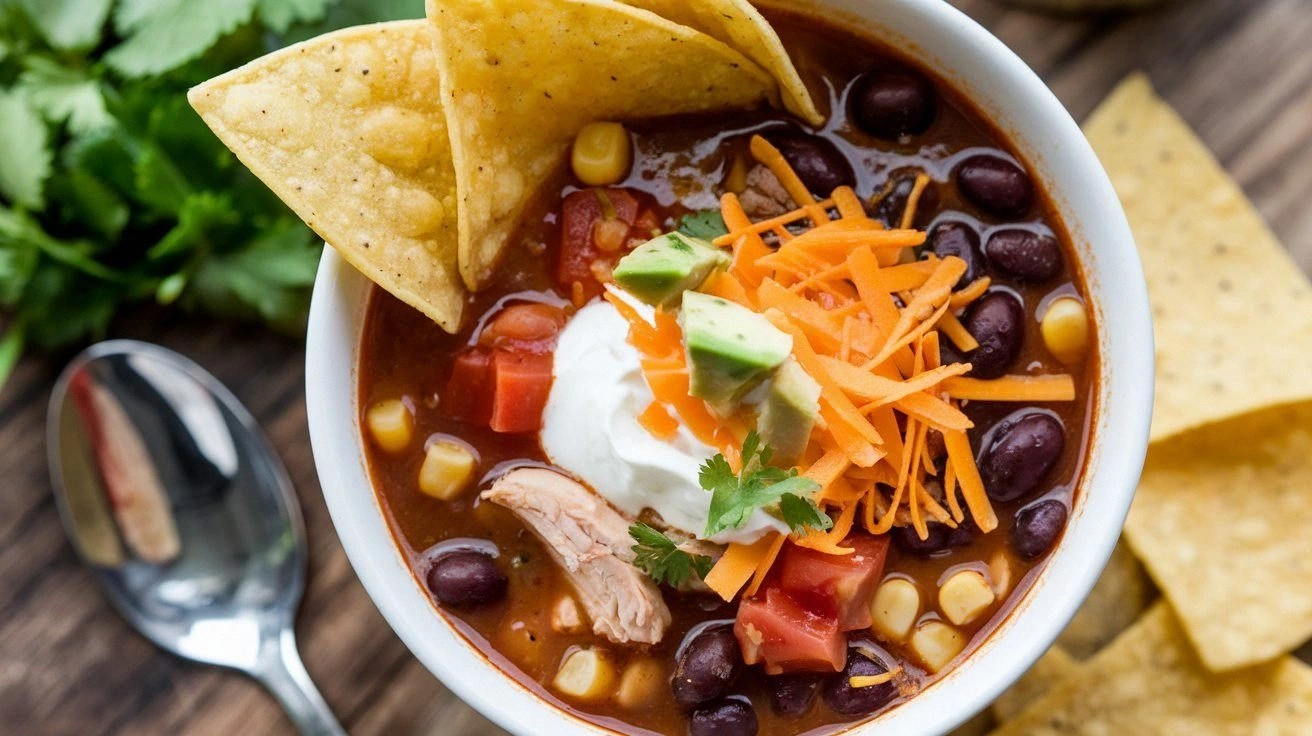
The final flourish is what turns this soup from a hearty dish into a memorable experience. The toppings—sour cream, shredded cheese, lime juice, cilantro, and tortilla chips—add layers of flavor, texture, and visual appeal. Each topping brings its own unique element to the soup, creating a multi‑sensory experience that satisfies the palate. The sour cream adds creaminess, the cheese melts into a silky coating, the lime adds brightness, and the cilantro offers a fresh herbal note.
The toppings also provide a contrast in texture. The sour cream’s smoothness balances the crunchy corn, while the cheese’s meltiness complements the shredded chicken’s tenderness. The tortilla chips add a satisfying crunch that elevates the soup’s overall mouthfeel. Together, these elements create a dish that feels both comforting and exciting.
If you’re looking to keep the dish dairy‑free, swap the cheese for a dairy‑free alternative or omit it entirely. The sour cream can be replaced with Greek yogurt for a tangy, protein‑rich option. The lime juice can be replaced with a splash of vinegar for a different acidic note. The cilantro can be replaced with fresh parsley or basil for a different herbal flavor. The toppings are versatile, allowing you to tailor the soup to your dietary preferences.
When serving, consider arranging the toppings in a separate bowl so guests can add them to their liking. This adds a customizable element that enhances the dining experience. The soup’s bright colors—red from the tomatoes, green from the cilantro, and yellow from the corn—make it visually appealing. The final flourish is the finishing touch that turns the soup into a feast for the senses.
If you want to add an extra layer of flavor, sprinkle some smoked paprika or chipotle powder over the top. This adds a smoky depth that pairs well with the cumin and chili powder. Another option is to add a handful of chopped green onions for a fresh, oniony note. The final flourish is a place where you can let your creativity shine, making the soup truly your own.
The final flourish also serves as a visual cue that the soup is ready to serve. The bright colors and fresh herbs signal that the dish is fresh and flavorful. It’s the final touch that turns a simple bowl of soup into a culinary masterpiece. The final flourish is essential for creating a satisfying, well‑rounded dish.
Everything's prepped? Good. Let's get into the real action. The next section will walk you through the cooking steps, step by step, with all the details you need to make this soup a hit.
The Method — Step by Step
- Heat a large pot over medium heat and drizzle a tablespoon of olive oil. Add the diced onion and cook until translucent, about 5 minutes. The onion should become fragrant and slightly caramelized, releasing its natural sweetness. This creates a flavorful base for the soup. Keep the heat moderate to avoid burning the onions. When the onions are ready, move on to the next step.
- Add the minced garlic and cook for 30 seconds, just until the garlic becomes aromatic. The garlic’s aroma should fill the kitchen, signaling that it’s time to move forward. Stir constantly to prevent the garlic from sticking to the pot. This step is crucial for building depth in the soup. The garlic’s flavor will mingle with the onions, creating a savory foundation.
- Stir in the cumin, chili powder, oregano, and a pinch of salt. Let the spices toast for 1 minute, releasing their essential oils. The spices should sizzle softly, giving off a warm, earthy aroma. This is the moment of truth where the soup starts to smell incredible. The spices will infuse the base, making it rich and flavorful.
- Add the diced tomatoes, tomato sauce, and chicken broth. Bring the mixture to a gentle boil, then reduce to a simmer. The broth should bubble lightly, indicating it's ready to absorb the flavors. This is where the soup starts to take shape, thickening slightly as the liquids combine. Stir occasionally to prevent sticking.
- Add the corn, black beans, shredded chicken, and diced green chilies. Stir well to combine all the ingredients. Let the soup simmer for 15 minutes, allowing the flavors to meld. The beans should remain firm, and the corn should stay slightly crunchy. This step ensures the soup develops a hearty, comforting texture.
- Taste the soup and adjust seasoning if needed. Add more salt, pepper, or chili powder to suit your taste. The soup should have a balanced flavor profile, with a touch of heat and a hint of sweetness. This is the time to personalize the dish to your liking. The soup should be vibrant and flavorful.
- Remove the pot from the heat and let it sit for 5 minutes. The soup will thicken slightly as it rests, creating a richer mouthfeel. This resting period allows the flavors to settle, making the soup even more delicious. It’s a small but important step in the cooking process.
- Serve the soup hot, topped with a dollop of sour cream, shredded cheese, a squeeze of lime, fresh cilantro, and a handful of tortilla chips. The toppings should add a creamy, cheesy, and citrusy finish that elevates the soup. The lime’s brightness cuts through the richness, while the cheese melts into silky strands. The tortilla chips add a satisfying crunch.
That's it — you did it. But hold on, I've got a few more tricks that'll take this to another level. The next section will share insider secrets that will elevate the soup from good to unforgettable. Stay tuned for the next part.
Insider Tricks for Flawless Results
The Temperature Rule Nobody Follows
Many people think that simmering at a low heat is always best, but that’s not true for this soup. The trick is to bring the broth to a gentle boil, then lower the heat to a steady simmer. This allows the flavors to develop without evaporating the liquid too quickly. If you keep the heat too low, the soup can become watery and lose its depth. Conversely, a too‑high heat can cause the beans to break apart. The sweet spot is a low, steady simmer that lets the ingredients mingle.
If you’re using a pressure cooker, set it to low pressure and let it cook for 10 minutes. This method locks in flavors and reduces the cooking time dramatically. The pressure cooker also ensures the beans stay firm and the chicken stays tender. The result is a soup that’s both flavorful and comforting. The temperature rule is a simple but powerful technique that can change the outcome of the soup.
When using a stovetop, keep an eye on the pot and stir occasionally to prevent sticking. The soup should maintain a gentle, rolling boil, not a full, rolling boil. If it boils too vigorously, reduce the heat immediately. The goal is to keep the soup at a steady, low simmer. The temperature rule is a simple but powerful technique that can change the outcome of the soup.
If you’re short on time, you can skip the initial sauté of onions and garlic and add them directly to the pot. This shortcut works well, but it may result in a slightly less aromatic base. The sautéed onions and garlic give the soup depth and richness that’s hard to replicate. The temperature rule is a simple but powerful technique that can change the outcome of the soup.
The temperature rule also applies to the final simmer. Let the soup cook for 15 minutes after adding the beans and chicken. This ensures the flavors meld together and the beans absorb the broth. The final simmer is where the soup reaches its full potential. The temperature rule is a simple but powerful technique that can change the outcome of the soup.
Why Your Nose Knows Best
Your nose is the most reliable judge of doneness. When the onions are translucent and the spices are fragrant, you know the base is ready. If the soup smells too “raw,” it needs more time. When the beans are soft but not mushy, the soup is perfectly cooked. The aroma of simmering tomatoes and spices is a clear indicator that the flavors are developing. Trust your nose, and you’ll never over‑cook or under‑cook this soup.
A friend once tried skipping the sauté step and the soup ended up tasting flat. The lack of caramelized onion and garlic left the soup lacking depth. The aroma was also missing, which made it hard to gauge doneness. I’ve learned that the scent of a simmering pot is the best cue for when to add the beans and chicken. The aroma is a reliable indicator that the soup is ready for the next step.
If you’re new to cooking, use your nose as a guide. When the soup smells toasty and fragrant, it’s time to add the beans. The aroma of the spices will guide you through the cooking process. The nose knows when the soup is ready for the next step. Trust your nose, and you’ll get a perfectly cooked soup every time.
The aroma of the soup can also help you gauge how much salt to add. If the soup smells too bland, add a pinch more salt. If it’s too salty, add a splash of water or a bit more broth. The aroma is the ultimate guide to seasoning. Trust your nose, and you’ll never over‑season this soup.
Your nose knows best. Use it as a guide to ensure the soup is cooked to perfection. The aroma will tell you when the soup is ready for the next step. The aroma is the ultimate guide to seasoning. Trust your nose, and you’ll get a perfectly cooked soup every time.
The 5-Minute Rest That Changes Everything
After you’ve finished cooking, let the soup rest for five minutes before serving. This short rest allows the flavors to settle and the beans to absorb the broth fully. The soup will thicken slightly, creating a richer mouthfeel. If you skip this step, the soup might taste a bit watery and less cohesive. The rest also gives the spices a chance to mellow, resulting in a more balanced flavor profile.
A friend once skipped the rest and the soup tasted like it had been cooked for a long time. The beans were slightly over‑cooked, and the broth felt thin. The rest period is a small but crucial step that can elevate the soup from good to great. The rest period also allows the flavors to meld, creating a more complex and satisfying dish.
The rest period also helps the soup cool slightly, making it safer to serve. The heat can burn your mouth if you pour it straight from the pot. Letting it rest for five minutes ensures a comfortable temperature. The rest period also allows the flavors to settle, making the soup more cohesive.
If you’re in a hurry, you can skip the rest, but the soup will feel less cohesive. The rest period is a small but vital step that ensures the soup is perfectly balanced and ready to serve. The rest period also allows the flavors to settle, creating a more complex and satisfying dish.
The 5‑minute rest is the final touch that transforms the soup. It ensures the flavors are fully integrated and the soup is safe to serve. The rest period is a small but essential step that will elevate your soup to the next level. Trust the process, and you’ll be rewarded with a delicious, comforting bowl of soup.
Creative Twists and Variations
This recipe is a playground. Here are some of my favorite ways to switch things up:
Spicy Chipotle Kick
Add a tablespoon of chipotle in adobo to the base for a smoky, spicy flavor. The chipotle adds a deep, earthy heat that pairs well with the cumin and chili powder. This variation is perfect for those who love a little extra heat. The chipotle also adds a subtle smoky depth that enhances the overall flavor profile.
Creamy Avocado Twist
Stir in diced avocado just before serving for a creamy, buttery texture. The avocado adds healthy fats and a mild, buttery flavor that balances the soup’s heat. This variation is great for those who want a richer, creamier soup. The avocado also adds a pop of green color that makes the soup visually appealing.
Mexican Street Taco Style
Top the soup with crushed tortilla chips, a squeeze of lime, and a sprinkle of fresh cilantro. This variation mimics the flavors of a street taco, bringing the soup to life. The tortilla chips add a satisfying crunch, while the lime adds brightness. The cilantro adds a fresh herbal note that ties everything together.
Cheesy Enchilada Surprise
Add a cup of shredded cheddar cheese during the last 5 minutes of simmering. The cheese melts into a silky coating that adds a rich, creamy texture. This variation is a crowd‑pleaser for cheese lovers. The cheese also adds a slight sharpness that balances the soup’s sweetness.
Vegetarian Option
Omit the shredded chicken and add an extra can of beans or a can of diced tofu. The tofu will absorb the flavors of the broth and add protein. This variation is perfect for vegetarians or anyone looking to reduce meat consumption. The tofu also adds a subtle, earthy flavor that complements the rest of the ingredients.
Low‑Carb Version
Replace the corn with diced zucchini or cauliflower florets. The low‑carb veggies add bulk without the extra carbs. This variation is ideal for those on a low‑carb diet. The zucchini or cauliflower also add a mild, neutral flavor that allows the spices to shine.
Storing and Bringing It Back to Life
Fridge Storage
Store the soup in an airtight container in the refrigerator for up to five days. The flavors will continue to develop, making the soup even richer. When reheating, add a splash of water or broth to maintain moisture. The soup can also be portioned into individual containers for quick meals. The airtight container will keep the soup fresh and flavorful.
Freezer Friendly
Freeze the soup in freezer‑safe containers for up to three months. Label the containers with the date for easy tracking. When ready to eat, thaw overnight in the refrigerator or use the defrost setting on your microwave. Reheat over low heat, stirring occasionally. The soup will reheat evenly and retain its flavor.
Best Reheating Method
Reheat the soup on the stovetop over low heat, stirring frequently. Add a splash of water or broth to prevent the soup from drying out. The gentle heat preserves the texture of the beans and the chicken. The soup should be heated until it’s steaming hot. This method ensures the soup is warm, flavorful, and ready to serve.