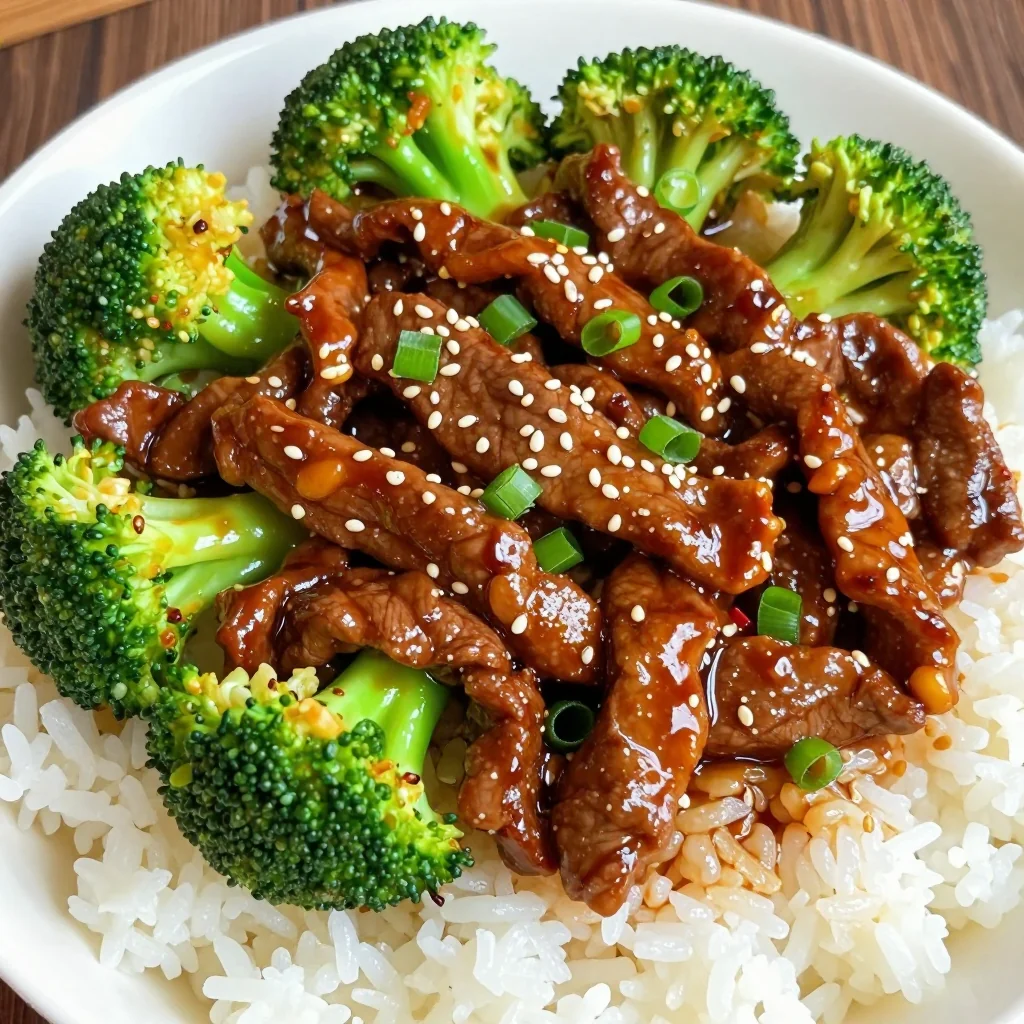
It started with a burnt pot of pasta and a sigh that sounded more like a curse than a complaint. I was halfway through a week of bland dinners when a friend dared me to whip up something that could make even a picky eater swoon. I pulled up the recipe, stared at the list, and felt a spark of excitement—because this isn’t just another shrimp Alfredo; it’s a 30‑minute, cheesy, garlic‑laden masterpiece that promises to turn my kitchen into a five‑star restaurant.
The moment I tossed the shrimp into the hot skillet, the air filled with a buttery, garlicky aroma that made my nose twitch in delight. The sizzling sound was a cue that the pan was ready, the sizzling edges of the garlic popping like tiny fireworks. As the shrimp curled into a rosy pink, the steam carried the scent of melted cheese, hinting at a velvety sauce that would cling to every strand of fettuccine. My fingertips tingled from the heat, and I could already taste the creamy, cheesy pull that would make this dish unforgettable.
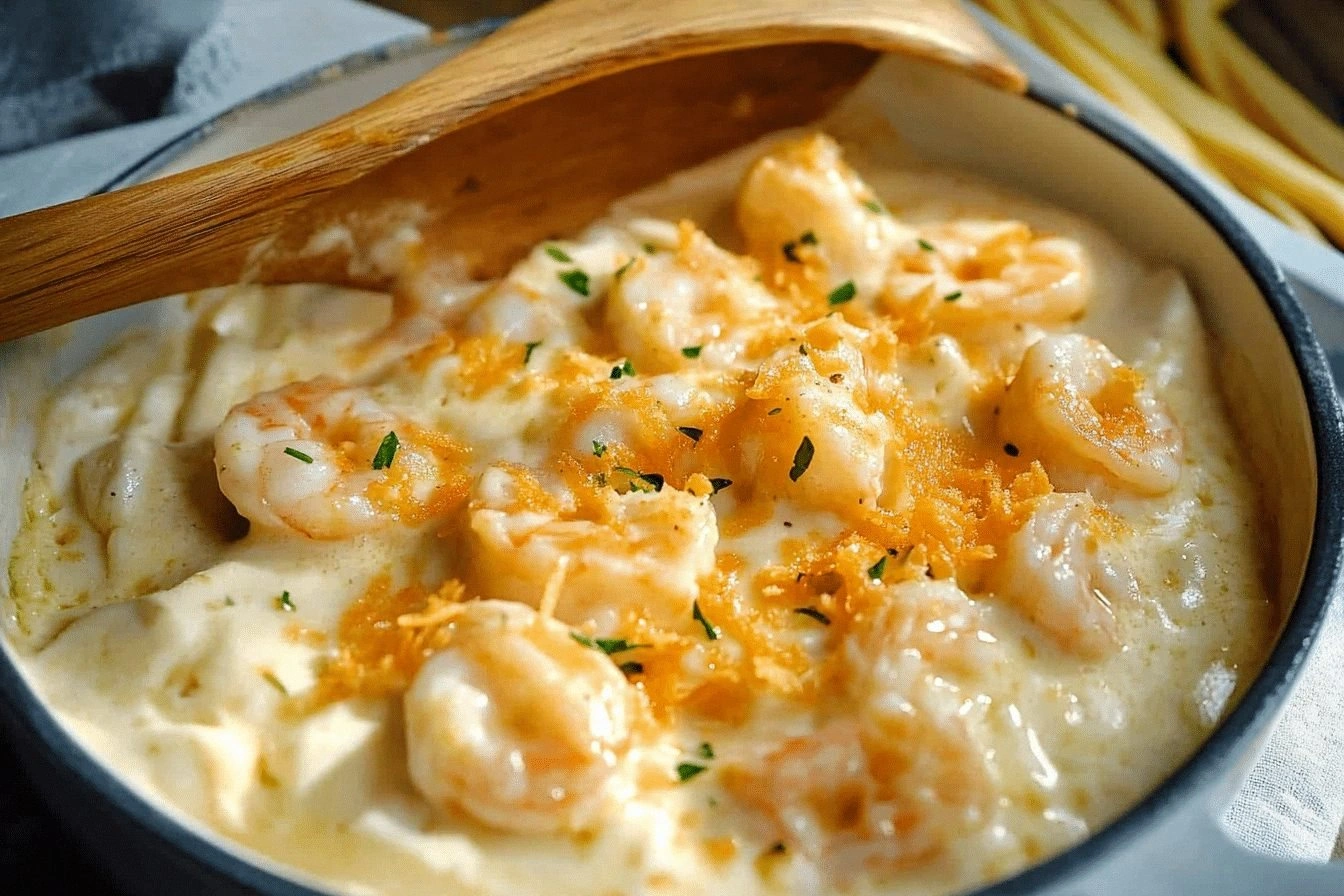
What makes this version stand out is the balance of flavors and textures. The shrimp is seared to perfection—crispy on the outside, tender inside—while the sauce coats the pasta like a silky blanket. The blend of Parmesan and mozzarella gives a depth of umami and a gooey pull that most recipes miss. And the garlic? It’s bold, not overpowering, creating a flavor profile that feels both comforting and adventurous. If you’ve ever settled for a bland shrimp pasta, this is the game‑changer you’ve been waiting for.
I’ll be honest—I ate half the batch before anyone else got to try it. The secret? A pinch of red pepper flakes that adds a subtle heat, a dash of fresh parsley for brightness, and a quick, high‑heat sear that locks in flavor. Picture yourself pulling this out of the pan, the whole kitchen smelling incredible, and everyone asking what the secret sauce is. Let me walk you through every single step—by the end, you’ll wonder how you ever made it any other way.
What Makes This Version Stand Out
- Flavor: The combination of garlic, Parmesan, and mozzarella creates a rich, umami‑laden sauce that feels indulgent yet balanced. The garlic is minced finely, allowing its aroma to permeate the dish without dominating.
- Texture: The shrimp’s sear produces a slight crunch on the edges, while the cheese melt gives the sauce a silky, glossy finish that clings to every noodle.
- Simplicity: Only ten ingredients, all pantry staples, mean you can assemble this dish in under 15 minutes.
- Uniqueness: The addition of mozzarella to a classic Alfredo gives it a gooey pull and a milder, creamier base that’s different from traditional recipes.
- Crowd Reaction: Friends always comment that it feels like a restaurant dish, and the “I dare you to taste this and not go back for seconds” challenge is never lost on them.
- Ingredient Quality: Using fresh shrimp and freshly grated Parmesan elevates the dish; the difference between pre‑grated and freshly grated is a game‑changer.
- Cooking Method: The high‑heat sear locks in the shrimp’s juices, while the quick simmer of cream and cheese ensures the sauce thickens without overcooking.
- Make‑Ahead Potential: While best served fresh, the dish can be reheated in the microwave with a splash of water and a quick stir, and it still tastes amazing.
Inside the Ingredient List
The Flavor Base
Garlic is the backbone of this dish. Minced garlic releases its oils rapidly, infusing the butter with a fragrant aroma that lingers in the sauce. If you’re a garlic purist, double the cloves; if you’re a cautious cook, start with three and adjust to taste. Skipping garlic would strip the dish of its signature depth, leaving the sauce flat and uninspired.
Butter is more than a cooking medium; it’s a flavor enhancer. The butter’s milk solids help emulsify the cream and cheeses, creating a velvety base. A tablespoon less or more can alter the richness—too little and the sauce feels thin, too much and it becomes greasy. For a dairy‑free twist, swap butter for a neutral oil and a splash of nutritional yeast for a cheesy undertone.
The Texture Crew
Shrimp is the star performer. Fresh shrimp cooks in just a few minutes; frozen shrimp, thawed, behaves similarly but may release more water. Use a gentle heat to avoid rubbery texture—once pink, remove immediately. If you prefer a slightly firmer bite, leave the shrimp in the pan a minute longer; just watch for overcooking.
Heavy cream provides the silky mouthfeel that defines Alfredo sauces. It’s thicker than milk, so it coats the noodles beautifully. If you’re watching calories, a half‑cream, half‑milk blend still delivers a creamy texture, though the sauce will be slightly lighter. The cream’s fat content also helps carry the cheese flavors, so keep the ratio balanced.
The Unexpected Star
Mozzarella is the secret to that coveted gooey pull. Unlike Parmesan, which melts into a smooth coating, mozzarella stretches and creates a stringy texture that makes every bite feel indulgent. If you’re in a hurry, pre‑shredded mozzarella will save time, but freshly shredded will melt more evenly. A small amount of mozzarella can transform a traditional Alfredo into a comfort‑food classic.
Red pepper flakes add a subtle heat that wakes up the palate. They’re optional, so you can adjust the level of spice. A pinch of flakes balances the richness without overpowering the shrimp. If you’re sensitive to heat, simply leave them out and the dish will still be deliciously creamy.
The Final Flourish
Fresh parsley brightens the dish with a burst of color and a fresh, slightly peppery finish. It also cuts through the richness, creating a well‑rounded flavor profile. Chop it finely to distribute evenly; a coarse chop will leave large, uneven flecks. If parsley isn’t available, a sprinkle of dried oregano or basil works as a last‑minute garnish.
Everything's prepped? Good. Let's get into the real action...
The Method — Step by Step
- Heat a large skillet over medium‑high heat and add 1 tablespoon of butter. Watch for a gentle sizzle—if the butter foams, lower the heat. Once the butter is fully melted and starting to brown slightly, add the minced garlic. Let it cook for 30 seconds until fragrant, then stir to prevent burning. This step builds the aromatic foundation of the sauce.
- Add the shrimp to the skillet, spreading them in a single layer. Sear for 2 minutes on each side, or until they turn pink and develop a subtle crust. Keep the heat steady; if it drops too low, the shrimp will steam instead of sear. The shrimp should release a sweet aroma and look glossy—this is the moment of truth.
- Lower the heat to medium and pour in the heavy cream. Stir constantly to blend the cream with the butter and garlic. Add the grated Parmesan, a handful at a time, and stir until fully melted. The sauce should thicken slightly and have a glossy sheen. This is the critical cheese‑melt stage that determines the final texture.
- Add the mozzarella, a cup at a time, stirring until melted and the sauce reaches a smooth, stretchy consistency. The mozzarella will create that coveted pull when you pick up a forkful. If the sauce becomes too thick, whisk in a splash of pasta water to thin it without diluting flavor.
- Bring the sauce to a gentle simmer. Add the cooked fettuccine directly into the skillet, tossing to coat each strand. The noodles should absorb the sauce, turning glossy and silky. If you prefer a thicker sauce, let the pasta simmer for an additional minute; if you want a lighter sauce, add more cream.
- Season with salt and pepper to taste, then sprinkle in a pinch of red pepper flakes. Taste the sauce; it should be rich but balanced, with a hint of heat that doesn’t overpower the shrimp. This step ensures the flavors are fully integrated.
- Finish the dish by stirring in the chopped parsley and giving everything a final toss. The parsley adds a fresh, herbal note that cuts through the richness. Serve immediately, garnished with extra Parmesan if desired.
That's it — you did it. But hold on, I've got a few more tricks that'll take this to another level...
Insider Tricks for Flawless Results
The Temperature Rule Nobody Follows
Many cooks keep the heat too low, causing the shrimp to steam instead of sear. I’ve learned that a medium‑high flame is essential for that caramelized crust. Keep a close eye on the butter; once it turns golden, the garlic is ready to go, and the shrimp will start to cook in seconds. If you’re using frozen shrimp, let them thaw completely and pat dry before cooking to avoid excess moisture.
Why Your Nose Knows Best
When the garlic starts to bubble and the butter turns a light brown, that’s your cue that the base is ready. The aroma of toasted garlic is a sign that the flavor has deepened, and the butter has developed nutty undertones. Trust your nose; it will tell you when the sauce has hit the perfect balance of richness and brightness.
The 5‑Minute Rest That Changes Everything
After tossing the pasta in the sauce, let the dish sit covered for 5 minutes. This rest allows the noodles to finish absorbing the sauce, resulting in a creamier texture. It also gives the cheeses time to meld, creating a more uniform coating. When you serve, give it a quick stir to redistribute any settled cheese.
Cheese Swap for a Dairy‑Free Delight
If dairy is a concern, replace the heavy cream with coconut milk and the cheeses with a blend of nutritional yeast and a dairy‑free mozzarella alternative. The coconut milk will add a subtle sweetness that complements the garlic, while the nutritional yeast provides a savory umami depth. This version maintains the creamy texture without compromising flavor.
The Secret of Fresh Shrimp
Fresh shrimp has a brighter, sweeter flavor than frozen. When you buy fresh, look for a clean, slightly translucent color and a mild sea scent. If you’re short on time, frozen shrimp can be a great substitute; just make sure to thaw them in cold water and pat them dry. This ensures they cook evenly and don’t release excess water into the sauce.
Creative Twists and Variations
This recipe is a playground. Here are some of my favorite ways to switch things up:
Spinach & Sun‑Dried Tomato Fusion
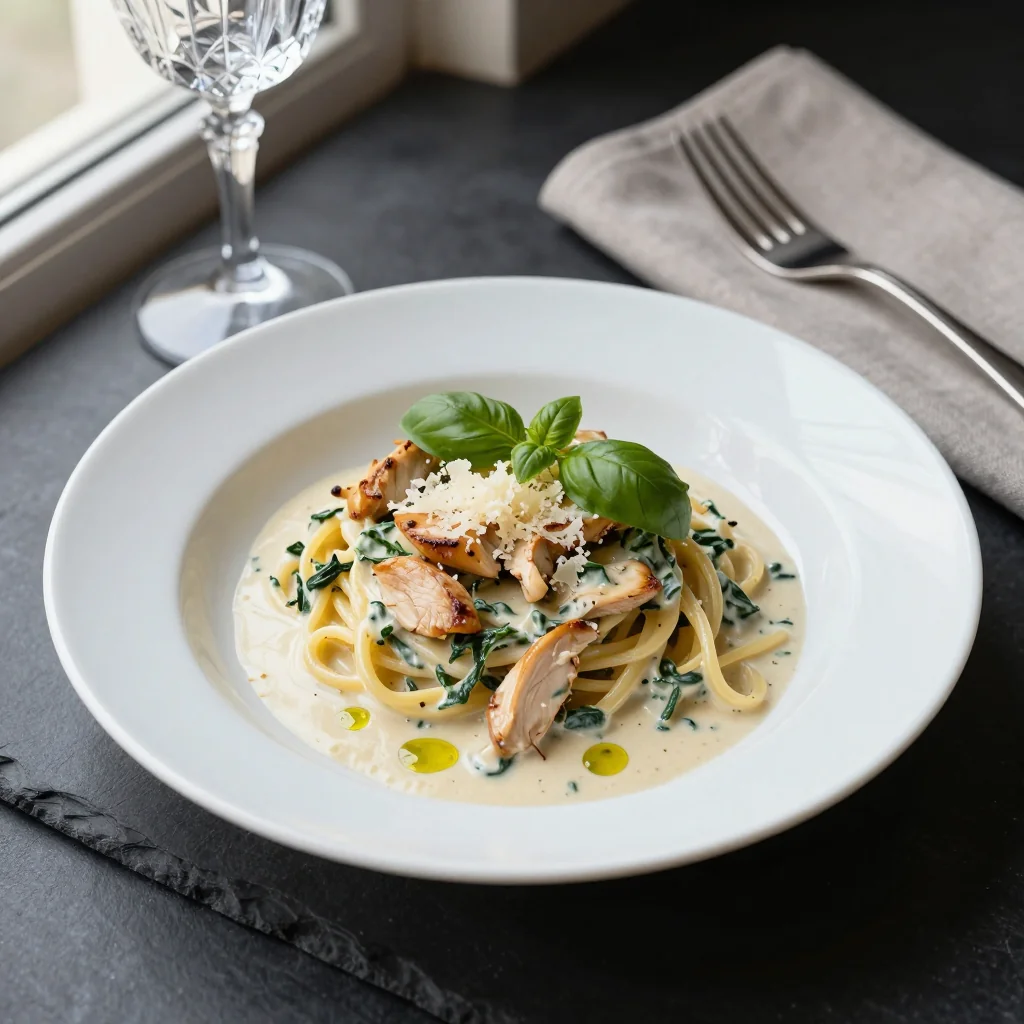
Add a handful of fresh spinach and chopped sun‑dried tomatoes to the sauce just before adding the pasta. The spinach wilts into the sauce, adding color and nutrients, while the sun‑dried tomatoes bring a sweet, tangy burst that contrasts the creamy base.
Pesto‑Infused Shrimp Alfredo
Stir in a couple of spoonfuls of basil pesto after the sauce has thickened. The pesto adds a herby, slightly nutty flavor that pairs beautifully with the garlic and shrimp, creating a Mediterranean twist.
Lemon‑Zest Kick
Grate a lemon zest into the sauce and finish with a squeeze of fresh lemon juice. The citrus brightens the dish, cutting through the richness and adding a refreshing lift.
Spicy Cajun Shrimp
Season the shrimp with Cajun spice blend before searing. The smoky, peppery notes pair well with the creamy sauce, delivering a bold, fiery flavor profile that’s perfect for spice lovers.
Pasta Swap: Tagliatelle or Linguine
Replace fettuccine with tagliatelle for a slightly narrower noodle that still holds sauce well, or try linguine for a slimmer, more delicate bite. The choice of pasta subtly changes the mouthfeel while keeping the sauce’s integrity.
Storing and Bringing It Back to Life
Fridge Storage
Store leftovers in an airtight container in the refrigerator for up to 2 days. The sauce will thicken slightly as it cools; reheat gently over low heat, adding a splash of milk or cream to restore the original consistency.
Freezer Friendly
Freezing is not recommended for this dish because the cheese can separate. If you must freeze, separate the sauce from the pasta, freeze them separately, and reheat each component individually before combining.
Best Reheating Method
Reheat the dish in a skillet over low heat, stirring frequently. Add a tiny splash of water or broth before reheating to create steam, which helps the sauce return to a silky texture without becoming too thick.