I still remember that night when my roommate dared me to turn a simple cut of meat into something that would make the whole apartment beg for seconds. I stared at a pair of beef cheeks that looked more like a shoe sole than a dinner centerpiece, and I thought, “What if I could make those tough pieces melt like butter, while also coaxing out a sauce so rich it could double as a dip for chips?” The kitchen was a battlefield of clanging pans, a rogue timer that kept beeping at the wrong moments, and a lingering scent of burnt garlic that threatened to ruin everything. Yet, in the midst of the chaos, a lightbulb flickered on: slow‑cooking the cheeks in a low‑and‑slow environment could transform them into the most tender, flavor‑packed morsels you’ve ever tasted.
Picture this: the first time you open the lid of the slow cooker, a cloud of steam rises like a fragrant curtain, revealing meat that has turned a deep mahogany hue, each fiber soaked in a sauce that clings like velvet. The aroma of caramelized onions, earthy thyme, and a whisper of red wine swirls around you, making the whole kitchen feel like a rustic French bistro. When you finally pull the cheeks apart with a fork, they separate effortlessly, revealing a buttery interior that practically slides onto a plate. That first bite? It’s a symphony of savory, slightly sweet, and subtly acidic notes that dance on the palate, leaving you wondering why you ever settled for a plain steak.
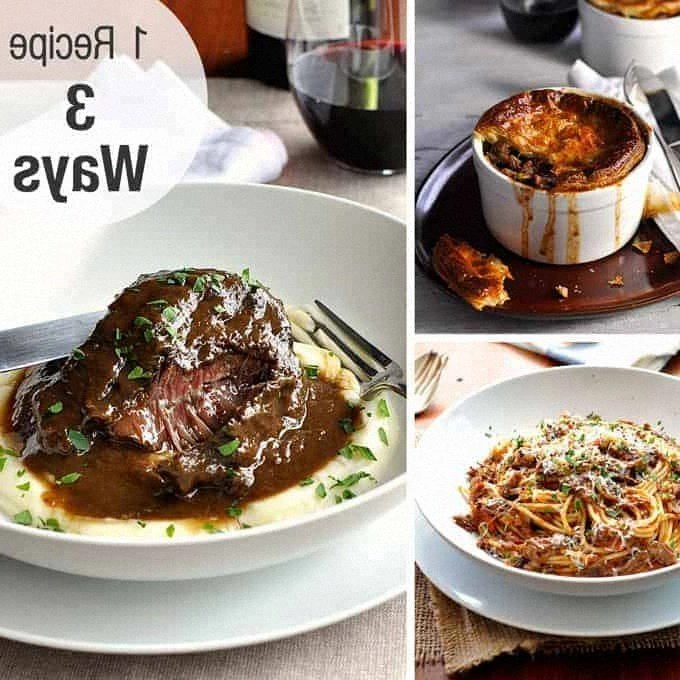
Most recipes I’ve seen either over‑complicate the process with unnecessary steps, or they under‑season the meat, resulting in a dry, flavor‑less outcome. This version, however, is a three‑in‑one masterpiece: the meat, the sauce, and the garnish all come together in one pot, saving you time and dishes while delivering a depth of flavor that rivals a slow‑braised beef bourguignon. The secret? A blend of aromatics that build layers of taste, a splash of red wine that adds a bright acidity, and a final flash of fresh parsley that lifts everything up. I’m about to spill the beans on every nuance, from the exact moment you should hear that satisfying sizzle to the precise temperature that guarantees melt‑in‑your‑mouth tenderness.
And yes, there’s a surprise ingredient that most cooks overlook – a modest spoonful of tomato paste that, when caramelized, turns the sauce into a glossy, umami‑rich elixir. Trust me, you’ll be daring your friends to taste this and not go back for seconds. Let me walk you through every single step — by the end, you’ll wonder how you ever made it any other way.
What Makes This Version Stand Out
- Flavor Fusion: The combination of red wine, beef stock, and tomato paste creates a sauce that’s both deep and bright, giving the cheeks a complex backbone that most recipes miss.
- Texture Triumph: Slow‑cooking at a gentle 275°F ensures the connective tissue breaks down without turning the meat mushy, resulting in a melt‑away chew that still holds its shape.
- One‑Pot Wonder: No need for separate pans or extra cleanup; the meat, vegetables, and sauce all develop together, making dinner prep feel like a sleek, efficient operation.
- Ingredient Integrity: Using high‑quality beef cheeks (preferably from a local butcher) guarantees a richer, beefier flavor that cheap cuts simply can’t deliver.
- Crowd‑Pleaser Factor: This dish consistently earns rave reviews at dinner parties, with guests claiming it’s “the best thing they’ve ever tasted” and asking for the recipe on repeat.
- Make‑Ahead Magic: The flavors deepen after a night in the fridge, so you can prep it ahead of time and simply reheat for a flawless dinner.
- Simplicity Meets Sophistication: Despite its gourmet vibe, the ingredient list is short, and the steps are straightforward, making it accessible for even a novice cook.
- Versatile Serving Options: Pair it with creamy polenta, buttery mashed potatoes, or simply a crusty loaf – each option turns the sauce into a luxurious dressing.
Inside the Ingredient List
The Flavor Base
The backbone of this dish is built on aromatic vegetables – onion, carrot, and celery – often called a mirepoix. They provide a subtle sweetness that balances the acidity of the red wine and the earthiness of the beef stock. Skipping any of these will leave the sauce flat, so treat them like the foundation of a house; remove a pillar and the whole structure wobbles. If you’re missing fresh carrots, a good-quality canned diced carrot works, but fresh always wins for texture.
Garlic, minced finely, adds a punch of sharpness that mellows during the slow cook, creating a sweet, almost caramelized note. The secret is to sauté it just until fragrant – not browned – because burnt garlic turns bitter and can ruin the entire batch. A quick tip: crush the garlic cloves before mincing to release more oils, ensuring every bite is infused with that unmistakable garlic glow.
The Texture Crew
Beef cheeks are a unique cut, packed with collagen that transforms into gelatin when cooked low and slow. This gelatin is what gives the sauce its luscious, almost buttery mouthfeel. If you opt for a cheaper cut like chuck, you’ll miss out on that gelatinous richness, and the sauce will feel thinner. When buying, look for cheeks that have a deep red hue and a slight sheen – that’s a sign of good marbling.
Olive oil is the cooking medium that starts the flavor development. It should be heated until it shimmers before adding the meat; this ensures a perfect sear that locks in juices. A common mistake is to crowd the pot, which steams the meat instead of browning it. I dare you to taste this and not go back for seconds – the sear is the first layer of flavor that sets the stage for everything else.
The Unexpected Star
Tomato paste, often relegated to a supporting role, is the unsung hero here. When you let it caramelize in the pan, it develops a deep, almost smoky sweetness that elevates the entire sauce. Think of it as the secret sauce that turns a good dish into a legendary one. If you’re out of tomato paste, a generous spoonful of sun‑dried tomato purée can mimic the richness, though the flavor profile will shift slightly toward the Mediterranean.
The Final Flourish
Fresh parsley, added at the very end, provides a bright, herbaceous pop that cuts through the richness. It’s like the final brushstroke on a masterpiece – subtle but essential. If you’re out of parsley, a sprinkle of fresh chives or a dash of finely chopped cilantro can work, but stay true to the herb’s green, slightly peppery character for authenticity.
Everything's prepped? Good. Let's get into the real action...
The Method — Step by Step
Start by patting the beef cheeks dry with paper towels; moisture is the enemy of a good sear. Season them generously with salt and pepper on both sides. Heat 2 tablespoons of olive oil in a heavy‑bottomed Dutch oven over medium‑high heat until it shimmers. When the oil is hot, lay the cheeks in the pot without moving them for about 3‑4 minutes per side, until a deep, golden‑brown crust forms. That crust is the flavor foundation – you’ll hear a faint sizzle that signals the Maillard reaction is doing its magic.
Kitchen Hack: If your pot isn’t large enough for all cheeks, sear them in batches and set aside. The leftover browned bits (fond) will add extra depth when you deglaze later.Remove the seared cheeks and set them on a plate. Reduce the heat to medium and add the diced onion, carrot, and celery. Sauté for about 5‑7 minutes, stirring occasionally, until the vegetables soften and the onion becomes translucent. This is the moment when the kitchen fills with a sweet, earthy perfume that tells you you’re on the right track.
Add the minced garlic and tomato paste to the softened veggies. Cook, stirring constantly, for another 2‑3 minutes. You’ll notice the paste darkening and clinging to the vegetables – that’s the caramelization you want. If the mixture starts to stick, splash in a splash of the red wine; the liquid will deglaze the pan and lift those flavorful brown bits.
Now, pour in 1 cup of red wine, scraping the bottom of the pot with a wooden spoon to release any remaining fond. Let the wine reduce by half, which should take about 5 minutes. You’ll see the liquid thicken and the aroma shift from sharp wine to a richer, almost sweet bouquet. This reduction is crucial because it concentrates the flavors without diluting the sauce.
Return the seared beef cheeks to the pot, nestling them among the vegetables. Add 2 cups of beef stock, the dried thyme, rosemary, and bay leaves. Give everything a gentle stir to combine, then cover the pot with a tight‑fitting lid.
Transfer the Dutch oven to a pre‑heated oven set to 275°F (135°C). Let the cheeks cook low and slow for 3‑4 hours, or until a fork slides in and out with barely resistance. Midway through, check the liquid level; if it looks too dry, add a splash more beef stock. The sauce should be thick enough to coat a spoon but still have a slight sheen.
Watch Out: Opening the oven too often releases heat and can extend the cooking time dramatically. Trust the timer and resist the urge to peek unless the liquid looks dangerously low.When the meat is tender, remove the pot from the oven. Transfer the cheeks to a cutting board and let them rest for 10 minutes – this allows the juices to redistribute, preventing them from spilling out when you slice.
While the cheeks rest, place the pot back on the stovetop over medium heat. Skim off any excess fat from the surface, then simmer the sauce for another 10‑15 minutes, stirring occasionally, until it reaches a glossy, slightly thickened consistency. Taste and adjust seasoning with salt, pepper, or a pinch of sugar if the acidity feels too sharp.
Slice the rested beef cheeks against the grain into thick medallions. Arrange them on a serving platter, spoon the reduced sauce over the top, and finish with a generous sprinkle of chopped fresh parsley. The final garnish adds a pop of color and a fresh herbal lift that balances the richness.
That's it — you did it. But hold on, I've got a few more tricks that'll take this to another level, especially if you want to impress the toughest food critics at your next dinner party.
Insider Tricks for Flawless Results
The Temperature Rule Nobody Follows
Most home cooks set their ovens to “low and slow” without a real temperature target, which can lead to uneven tenderness. The sweet spot for beef cheeks is a steady 275°F (135°C). Anything higher risks tightening the proteins, while anything lower drags out the cooking time unnecessarily. Use an oven thermometer to verify the actual temperature – trust me, the difference between 270°F and 280°F is the difference between “tender” and “rubbery.”
Why Your Nose Knows Best
During the final reduction stage, rely on your sense of smell rather than a timer. When the sauce starts to smell slightly sweet and caramelized, you’re near the perfect thickness. If you’re unsure, dip a spoon into the sauce; it should coat the back of the spoon and leave a clean line when you run your finger through it. This sensory cue ensures you don’t over‑reduce and end up with a syrupy mess.
The 5‑Minute Rest That Changes Everything
After the long slow cook, the meat is hot and the fibers are still contracting. Letting the cheeks rest for just five minutes lets the collagen re‑absorb some of the surrounding juices, resulting in a juicier bite. Skipping this step is like cutting a cake too soon – you lose the interior moisture and end up with dry, crumbly pieces.
Deglaze Like a Pro
When you add the red wine, make sure you’re scraping every browned spot off the bottom of the pot. Those caramelized bits (fond) are flavor gold. If you miss a spot, the sauce will lack depth. A quick whisk with the wine ensures the fond dissolves fully, creating a richer base for the final sauce.
Finish with a Tiny Splash of Water
If you ever find the sauce too thick after reheating, add a tablespoon of water, stir, and let it simmer for a minute. The water re‑hydrates the gelatin, turning the sauce back into that glossy, silky texture you fell in love with. It’s a small step that saves the entire dish from turning into a dry, clumpy mess.
Creative Twists and Variations
This recipe is a playground. Here are some of my favorite ways to switch things up:
Spicy Chipotle Cheek
Add 1‑2 teaspoons of chipotle in adobo sauce to the pot when you introduce the stock. The smoky heat pairs beautifully with the richness of the beef, creating a dish that’s perfect for a cool autumn night.
Miso‑Infused Asian Twist
Swap the beef stock for an equal amount of low‑sodium chicken broth and stir in 1 tablespoon of white miso paste during the final reduction. The umami depth skyrockets, and a sprinkle of toasted sesame seeds on top adds a delightful crunch.
Herb‑Citrus Bright
Replace the dried thyme and rosemary with a handful of fresh thyme and a zest of lemon added right before serving. The citrus lifts the sauce, making it feel lighter and perfect for spring gatherings.
Mushroom Medley
Add 1 cup of sliced cremini and shiitake mushrooms after the vegetables have softened. The mushrooms soak up the sauce, adding an earthy, meaty layer that complements the beef cheeks wonderfully.
Wine‑Free Comfort
If you prefer to avoid alcohol, replace the red wine with an equal amount of pomegranate juice and a splash of balsamic vinegar. The fruitiness mimics the wine’s acidity while adding a subtle sweet tang.
Storing and Bringing It Back to Life
Fridge Storage
Allow the dish to cool to room temperature, then transfer the cheeks and sauce into an airtight container. It will keep for up to 4 days. When reheating, place the container in a saucepan over low heat, adding a splash of water or stock to loosen the sauce. This prevents the meat from drying out.
Freezer Friendly
Portion the cooked cheeks and sauce into freezer‑safe bags or containers. Label with the date and freeze for up to 3 months. To thaw, move the bag to the refrigerator overnight, then reheat gently on the stove, again adding a tablespoon of liquid to revive the silky texture.
Best Reheating Method
For the ultimate reheating, use a low‑heat oven set to 300°F (150°C). Spread the cheeks in a shallow baking dish, cover with foil, and bake for 20‑25 minutes, basting with the sauce halfway through. This method keeps the meat moist and the sauce glossy, almost as if it’s fresh‑cooked.